
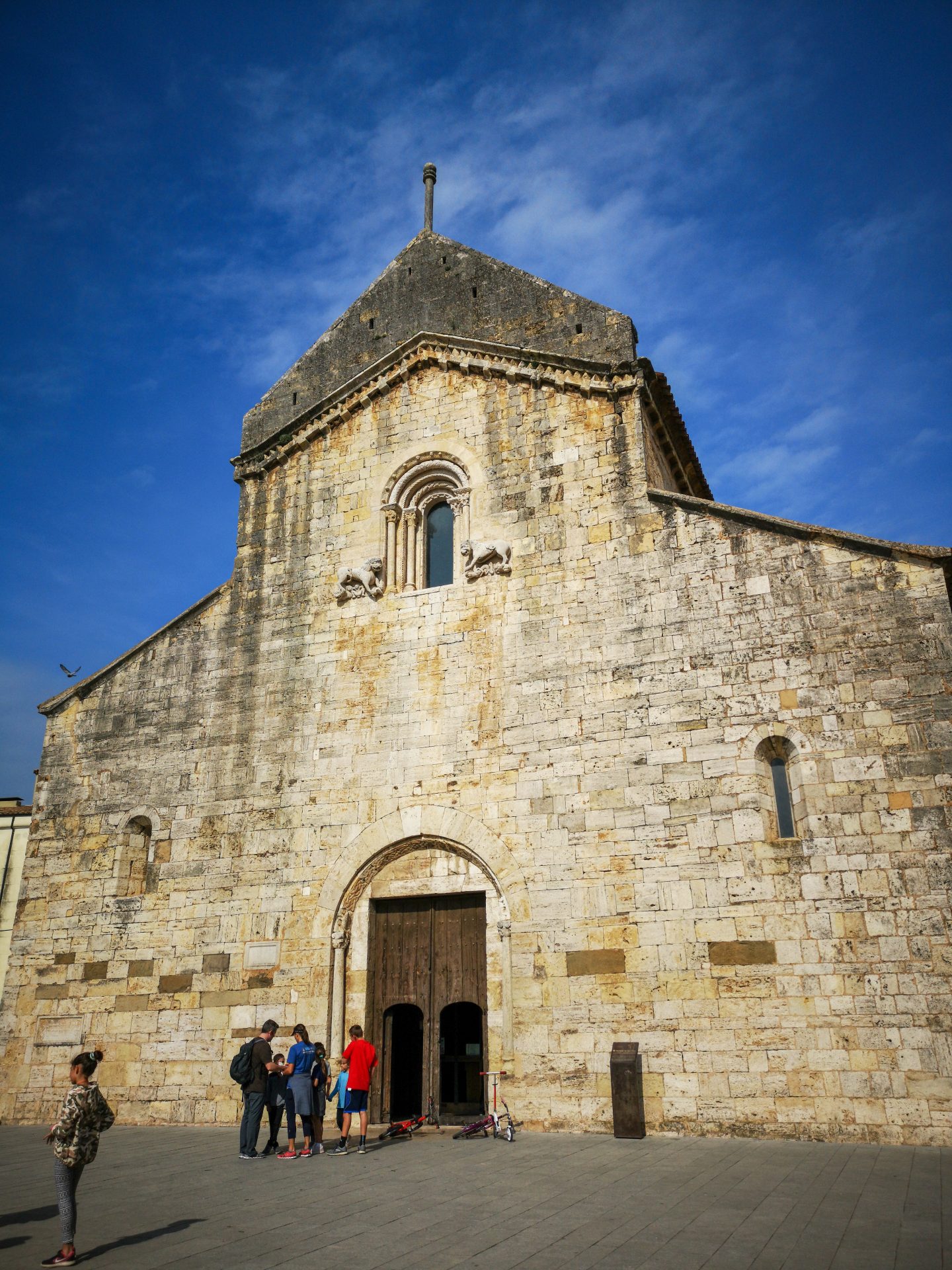
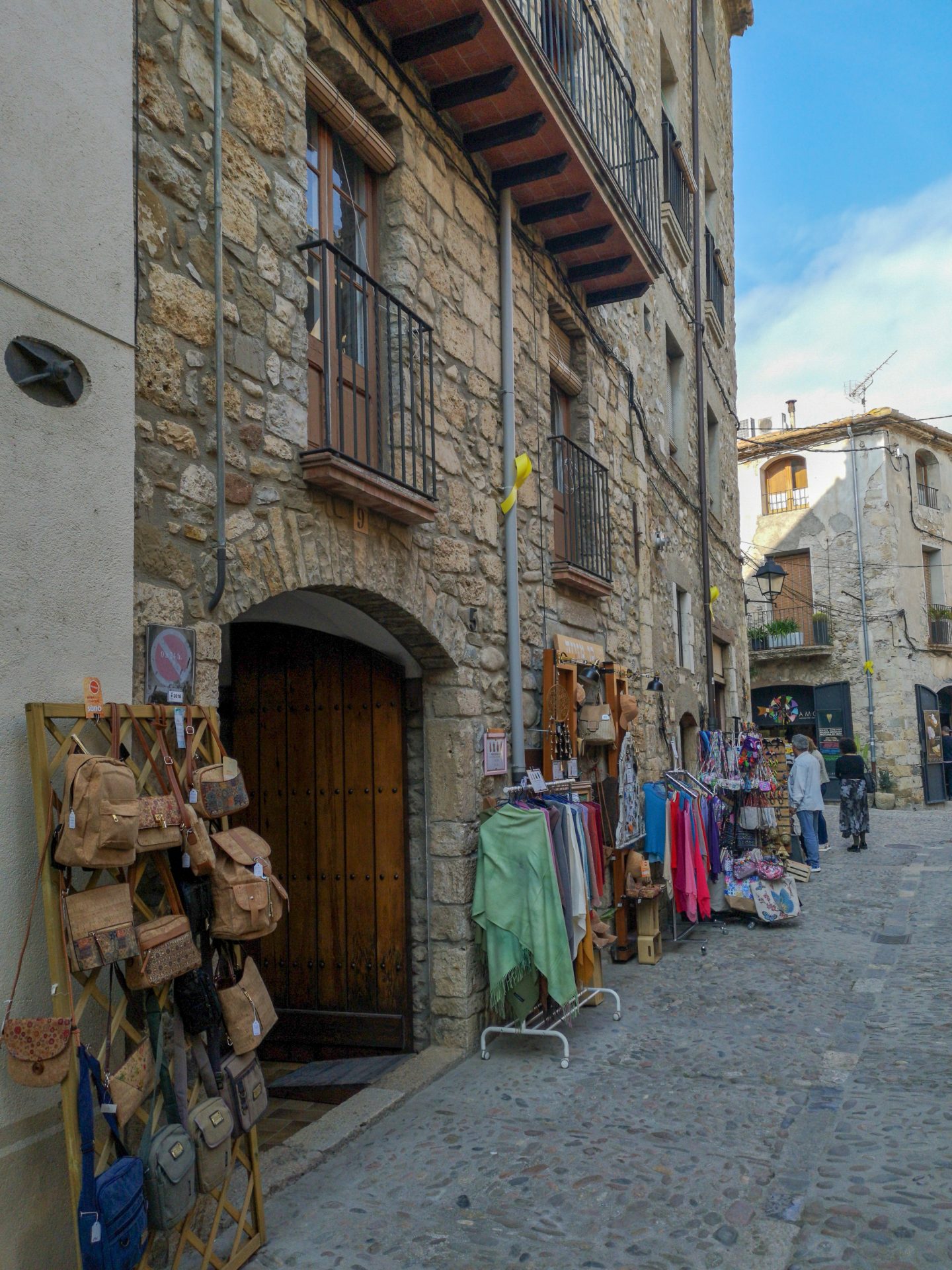
Besalú looks like a film set, and the odd thing is that nobody has filmed there.
You cross a fortified twelfth-century bridge over the river Fluvià — seven uneven arches, two towers and a gatehouse standing in the middle of the span — and on the other side is a town of about 2,500 people that has barely changed shape since the Middle Ages. It was declared a national historic-artistic site in 1966, and it is one of the best-preserved medieval towns in Catalonia.
We went with three children and my sister, and here’s the honest version of how that goes.
The essentials
- Where: La Garrotxa, in the province of Girona. Inland — this is not the Costa Brava, whatever the day-trip brochures say
- From Barcelona: 2h by car
- Parking: there are outside of the town free parking slots
- How long you need: half a day for the town. Longer if there are children and a river
- Cost: walking the town and crossing the bridge is free.
Besalú is small and so is its hotel stock — only la Martana and the bungalows take four in one unit. Note that one Besalú hotel is adults-only despite appearing in the town’s general accommodation list, so check before booking with children. These are affiliate links — we earn a small commission at no extra cost to you.

The bridge
The Pont Vell is the thing everyone comes for, and it earns it.
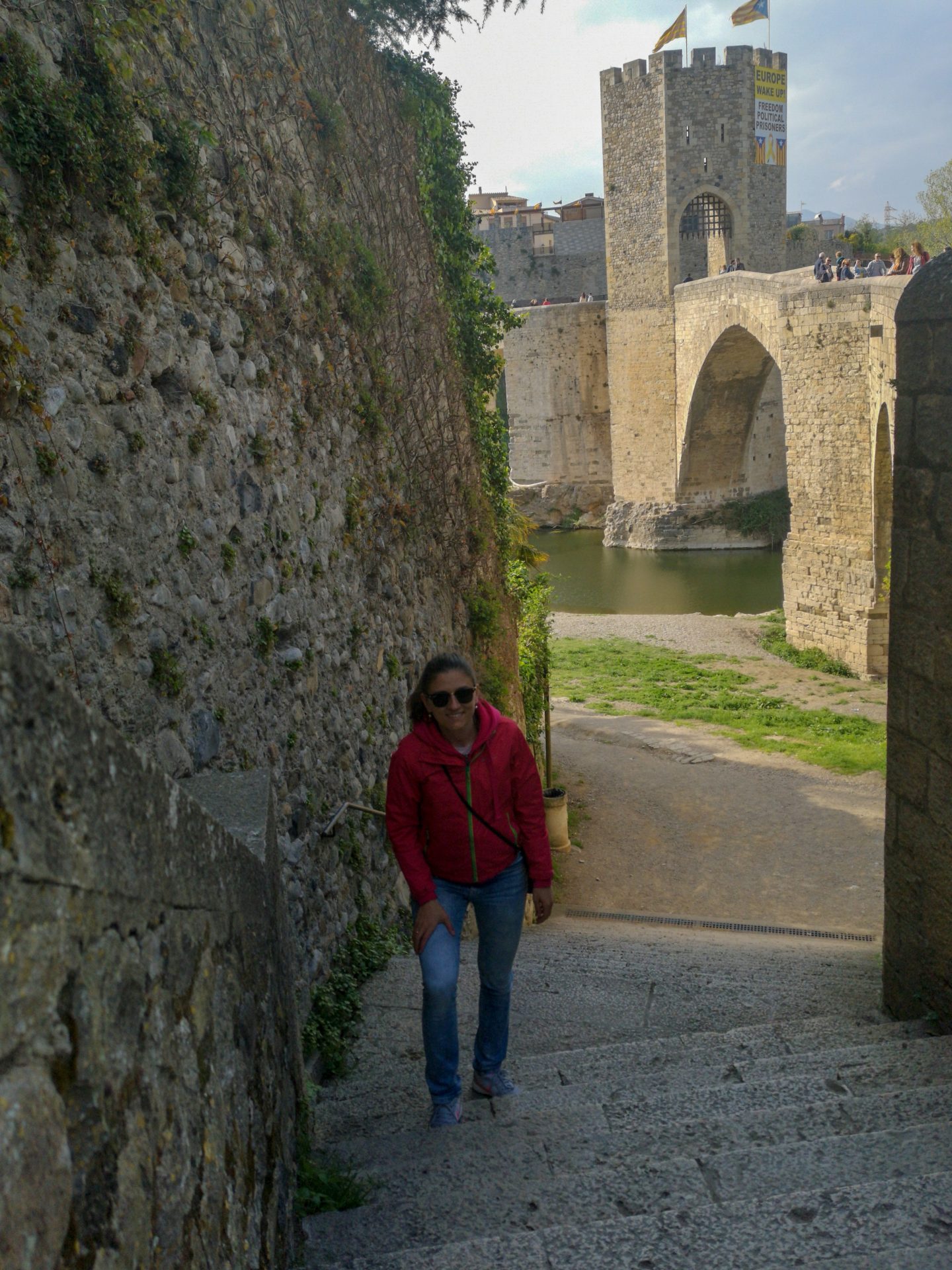
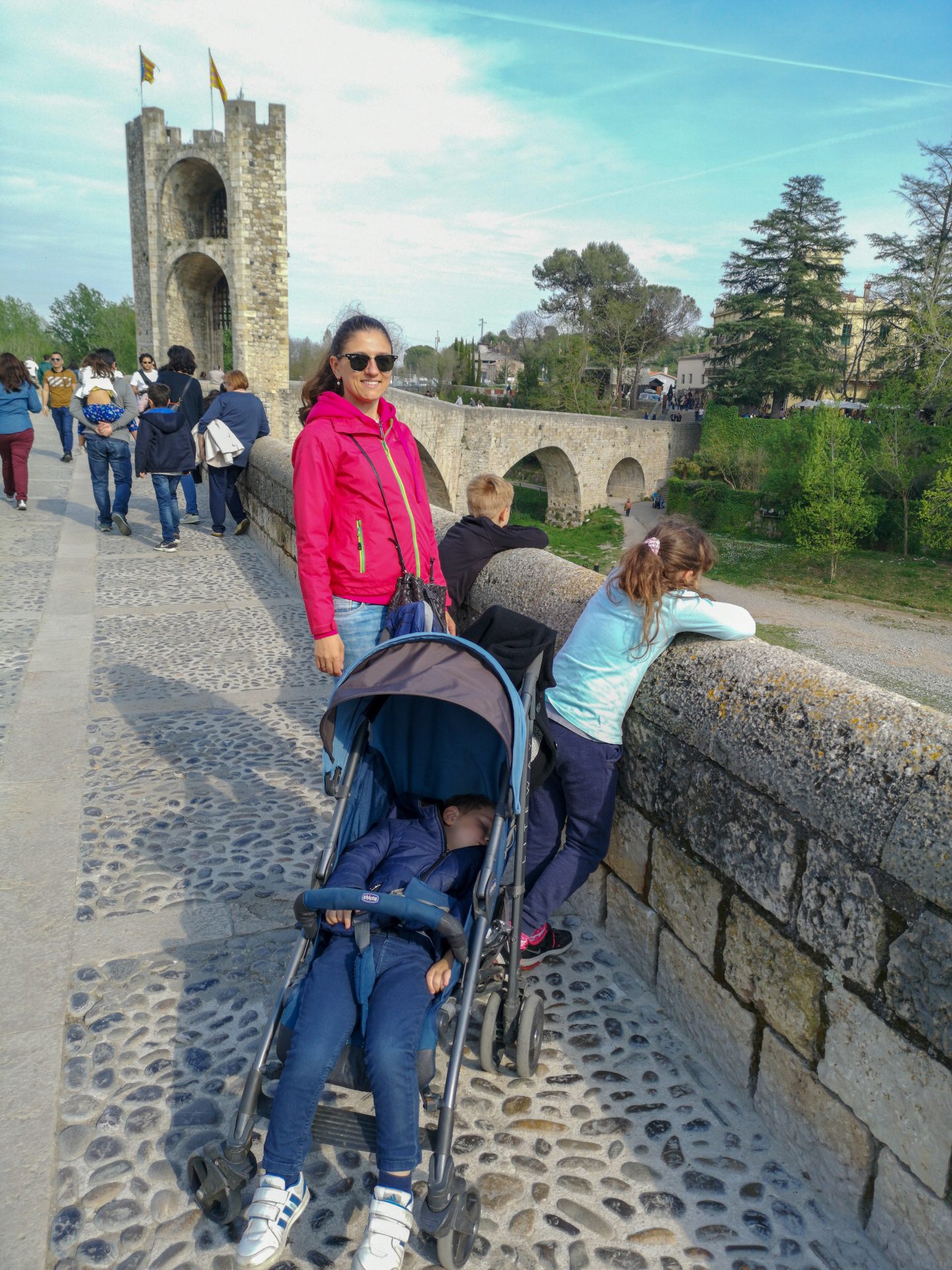
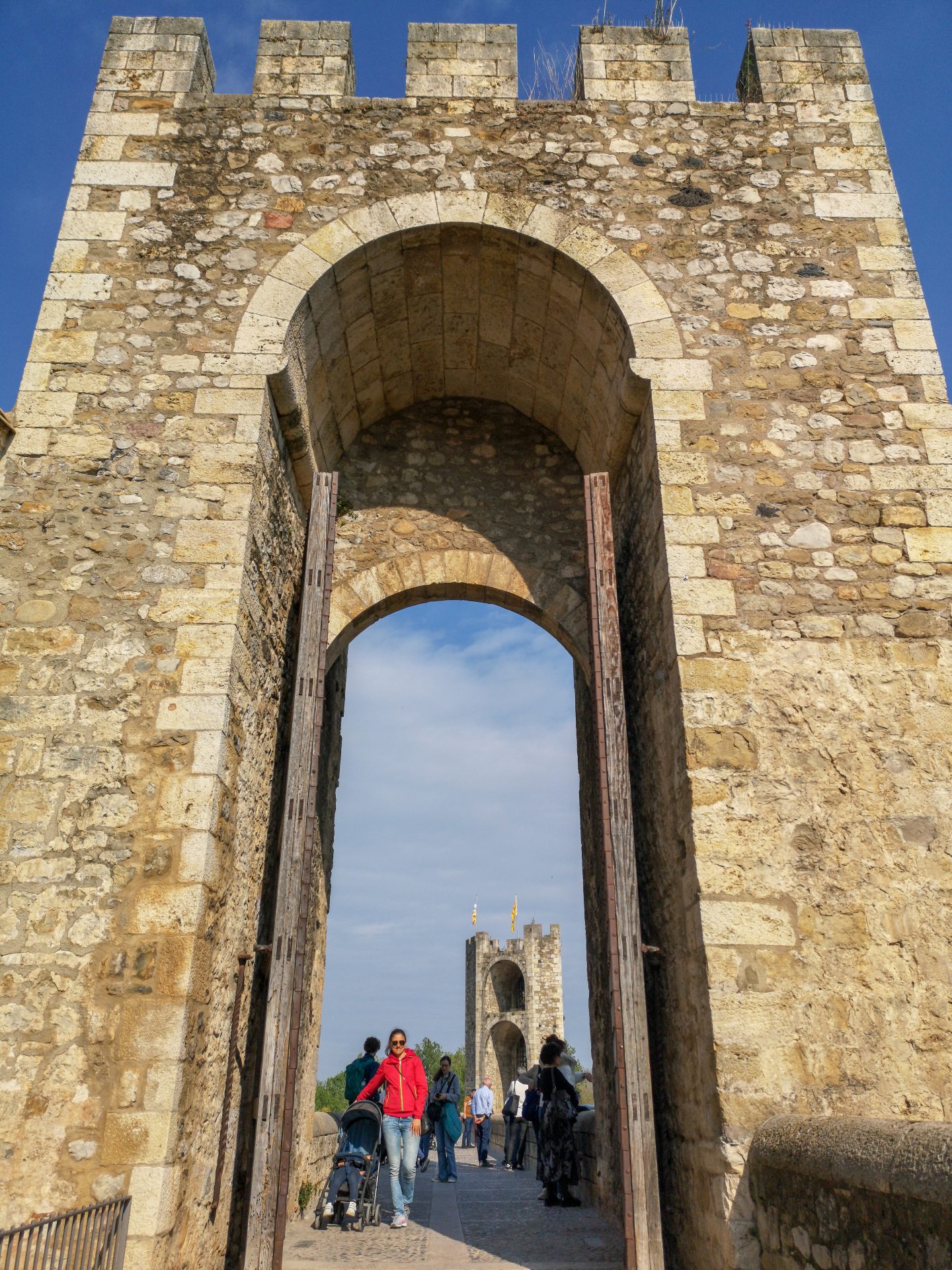
It dates from the twelfth century, crosses the Fluvià, and it is not a straight bridge — it has seven arches of uneven size, a dog-leg in the middle, and two defensive towers with a gateway set into the span itself. You walk through a fortified gate halfway across a river, which is a strange and memorable thing to do.
It’s free, it’s open, and it’s the photograph. Go down to the riverbank and look back at it — the view from the water’s edge is better than the view from on top, and most visitors never leave the road.
The miqvé — the reason to choose Besalú over any other medieval town
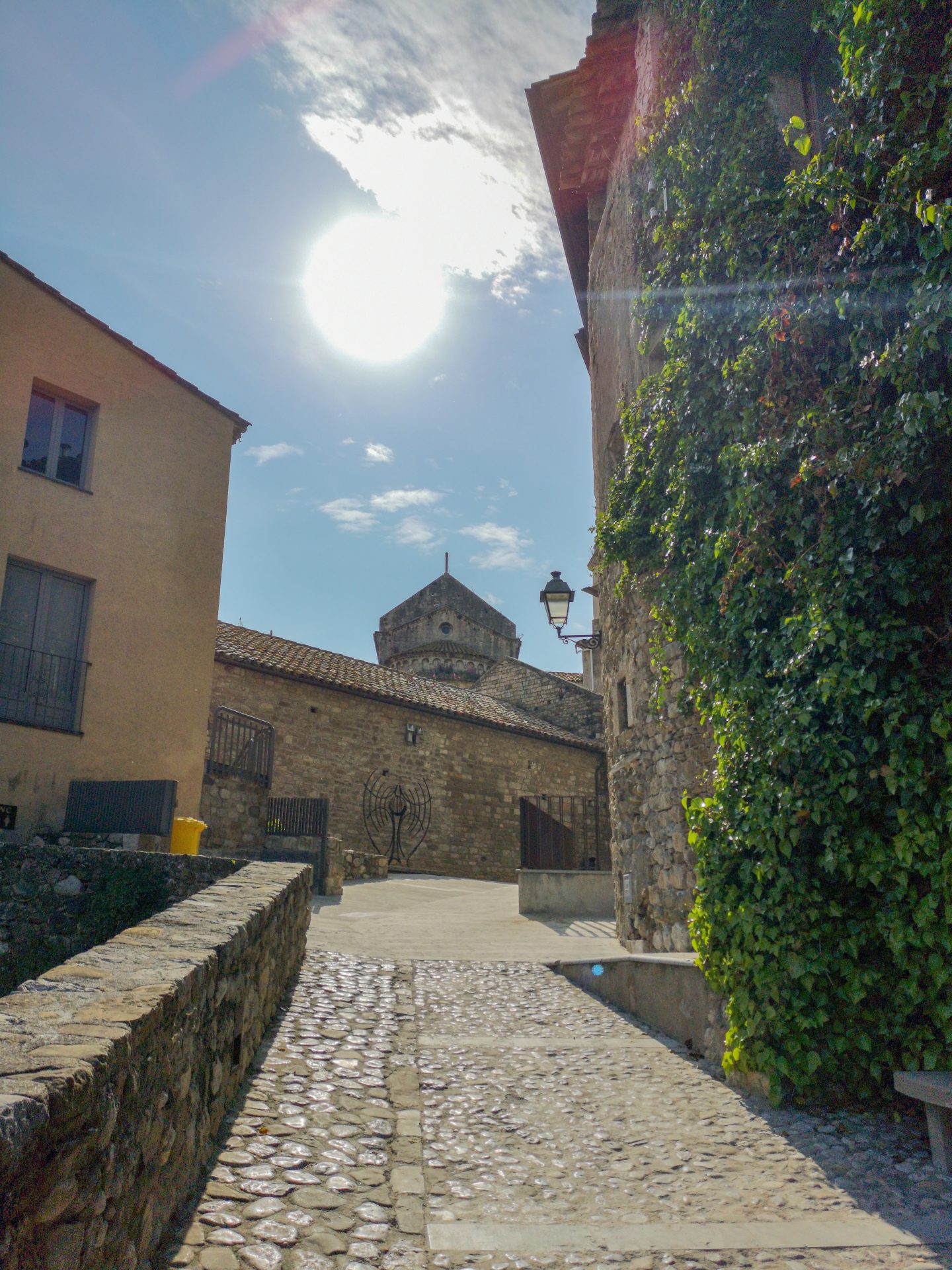
Besalú had an important Jewish community in the Middle Ages, and what survives from it is genuinely rare: a miqvé, a ritual bath, cut into the rock down a flight of stone steps near the river.
It dates from the eleventh or twelfth century, and it is the only Romanesque mikvah still standing in Spain.
That’s not a tourist-board superlative — it’s simply the only one left. And almost no English-language guide to Besalú leads with it, because it takes ten minutes to see and doesn’t photograph as well as the bridge.
What else is worth going inside
- The monastery church of Sant Pere — the church was consecrated in 1003 and has three naves. A thousand years old, and standing
- Casa Cornellà — a twelfth-century Romanesque house with a courtyard of three galleries. Unusual, because domestic Romanesque architecture rarely survives; churches do
- Sant Vicenç — eleventh to twelfth century
- Sant Julià, the old hospital church — twelfth century
- The castle tower
Going with children — the honest version
Here’s what actually happened to us, because it’s more useful than a list of monuments.
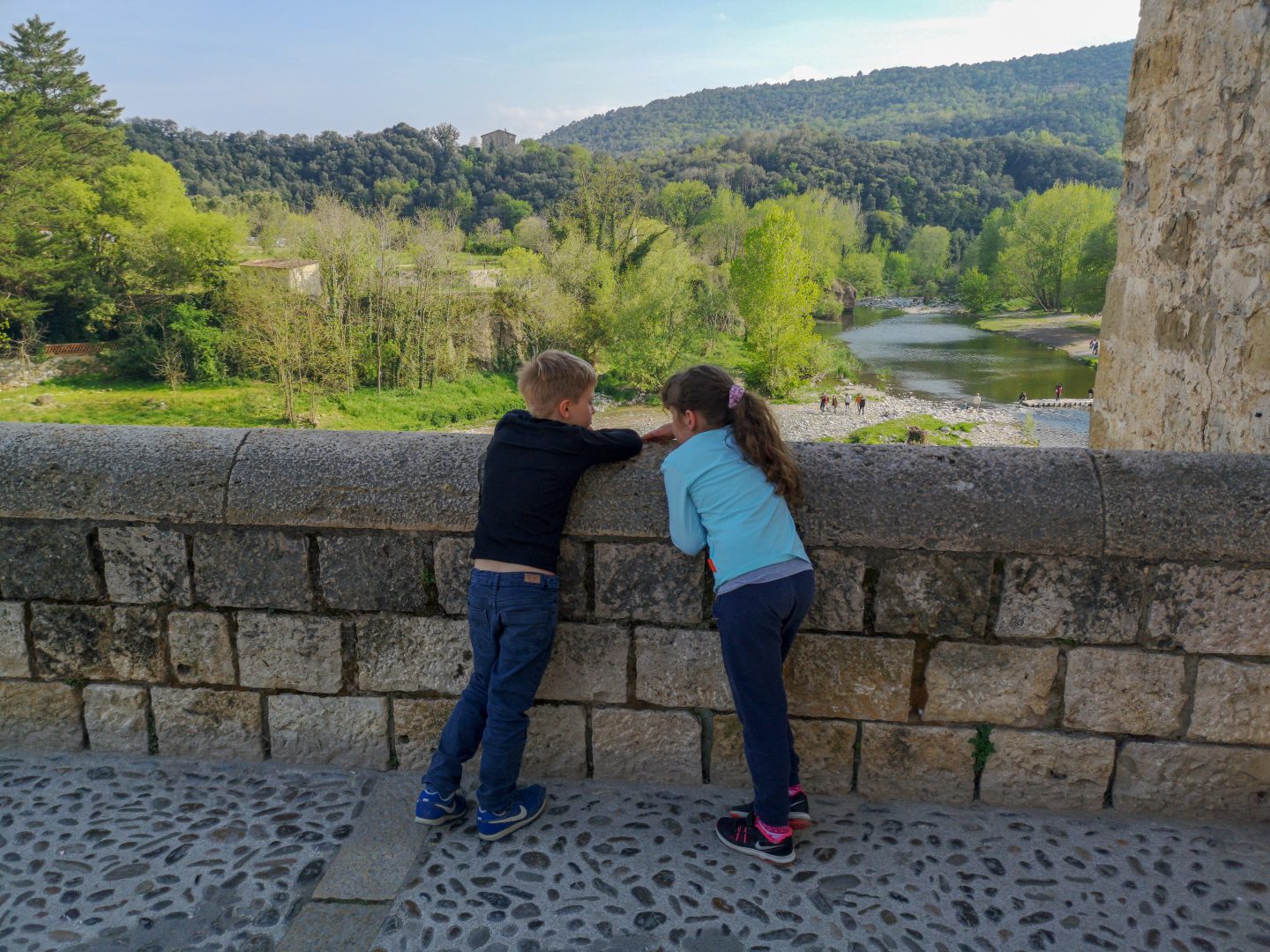
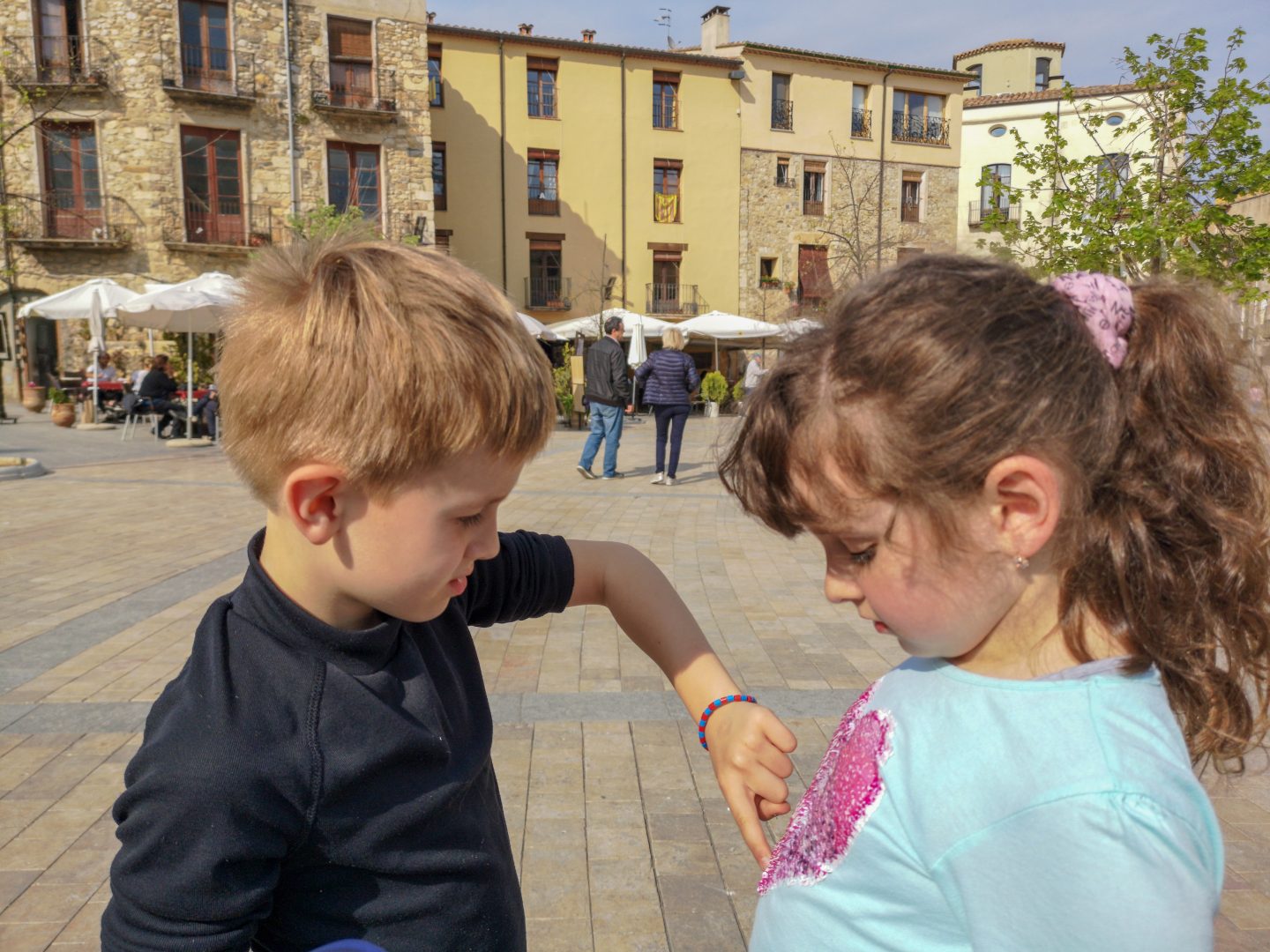
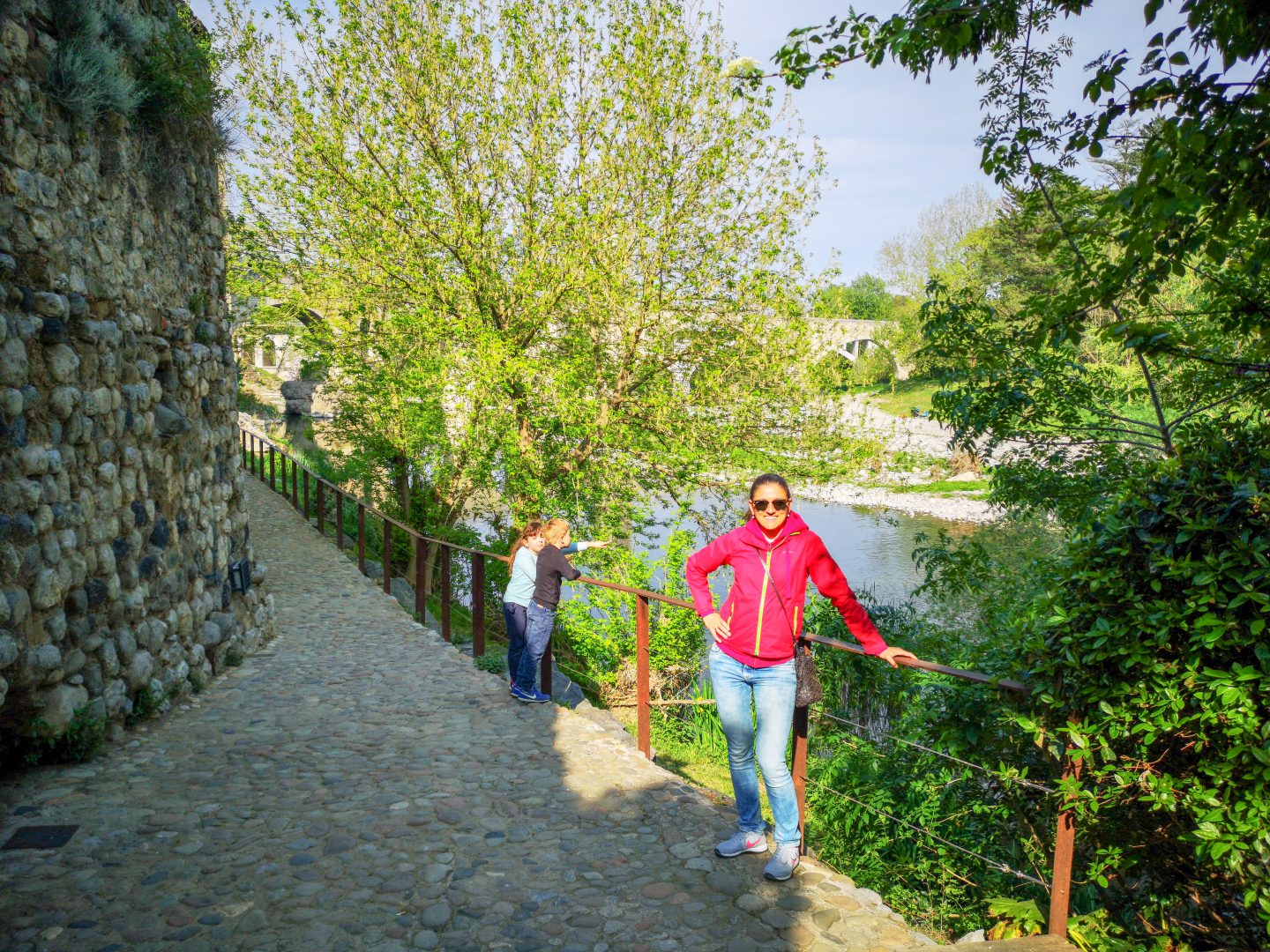
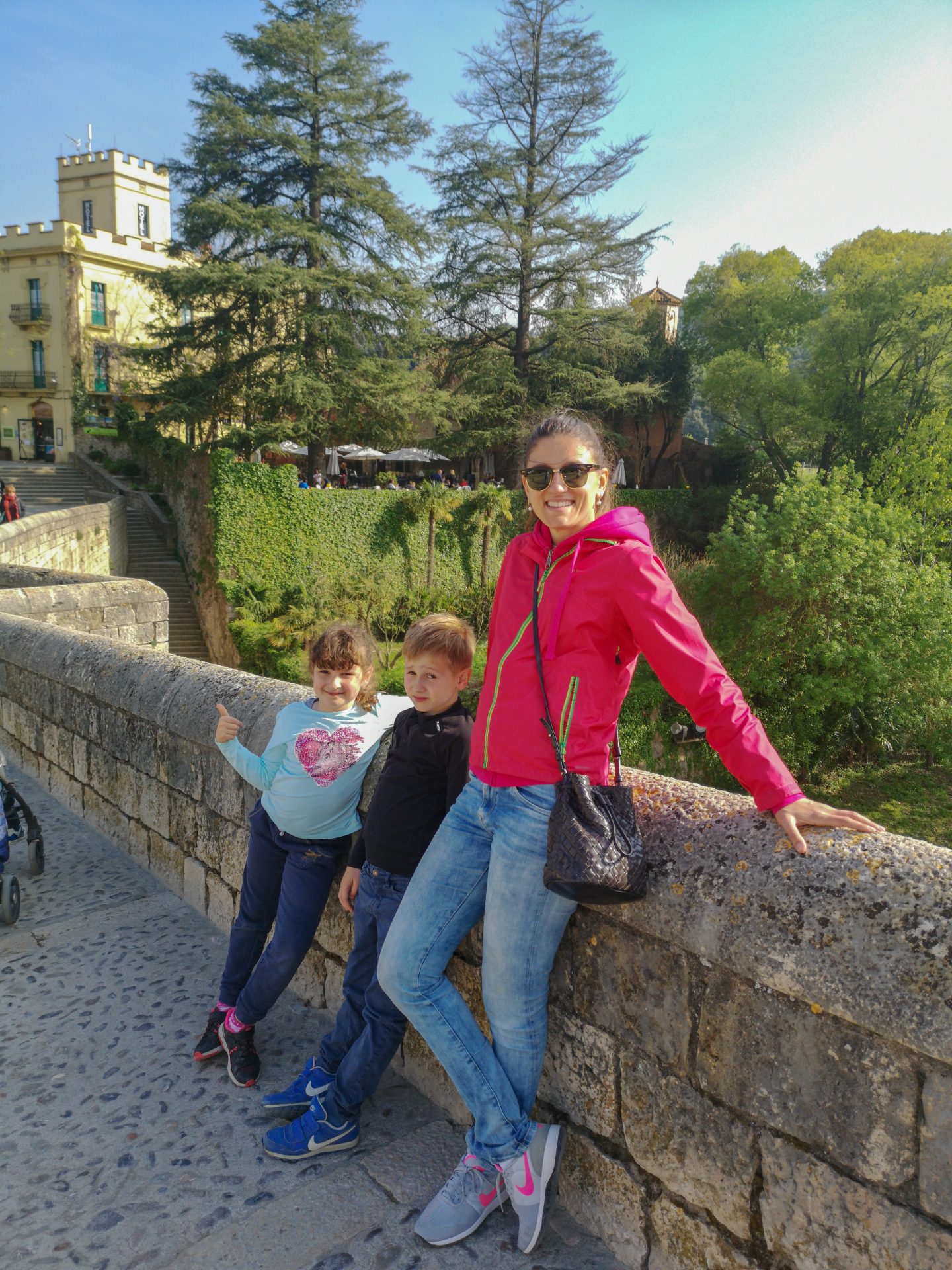
The children were tired by the time we reached Besalú — it was our second village of the day — and the only thing they wanted was the river and the green park beside it. So we negotiated. The adults walked the town; the children got the water and a sunny afternoon.
That turned out to be the right shape for the day, and I’d plan it that way deliberately next time.
- The riverbank is the childcare. There’s green space by the water and it’s where children want to be. Build the visit around it rather than against it
- The town is small and walkable — you’re never far from the river
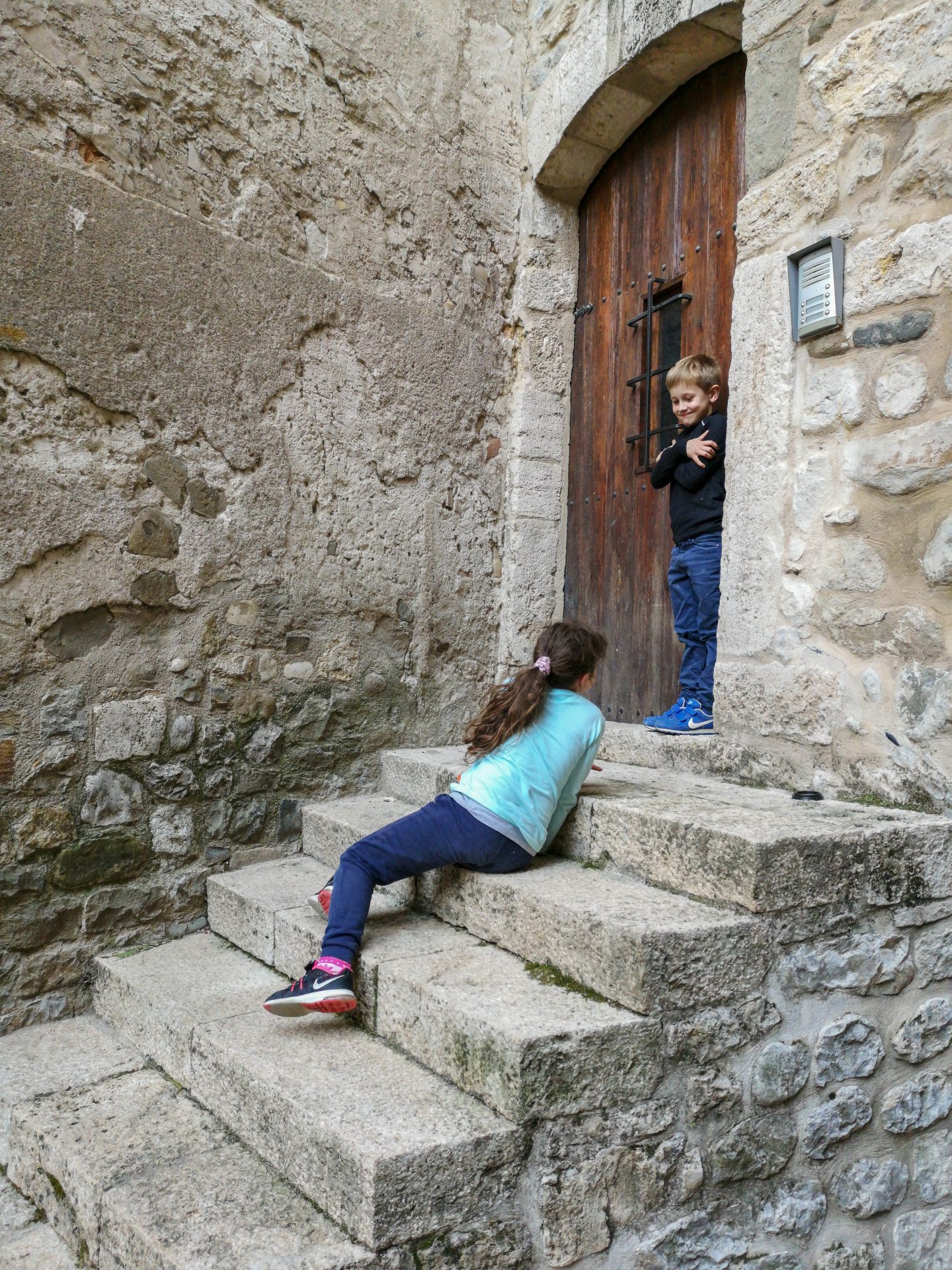
- Cobbles and a medieval street plan, so a carrier beats a pushchair
- The bridge sells itself. A fortified gate in the middle of a river is a castle as far as a child is concerned
And the thing I got wrong: I had plans for a lot more than two villages that day, and I was annoyed at only managing two. With three children, two is the number. Plan for two and you’ll enjoy both; plan for four and you’ll enjoy none.

Combining Besalú with Rupit
We did both in a day and it worked, but only just — they are about 40 km apart and in different comarques, Besalú in La Garrotxa and Rupit in Osona.
If you have one day and no children, both is comfortable.
If you have one day and children, pick one, or do exactly what we did and accept that the second stop will be short.
Which to choose? Rupit is smaller, stranger and higher — a village of 280 people in the mountains with a suspension bridge. Besalú is bigger, has more to go inside, and is the one to pick if you want history you can walk into rather than scenery.
Is it worth the drive?
Yes — and of the medieval towns within reach of Barcelona, it’s the one I’d send someone to first. The bridge is genuinely unusual, the miqvé is the only one of its kind left in the country, and the whole town takes half a day rather than a week to understand.
Come if you want a proper medieval town rather than a pretty village, and you have a car.
Don’t come expecting a full day of activities. It’s a town to walk around, and the walking is the point.
All our day trips from Barcelona, compared · Rupit, the other village we did that day
Frequently asked questions
Where is Besalú?
Besalú is in La Garrotxa, in the province of Girona — about 40 km inland from the coast. It is often described as a Costa Brava day trip, but it is not on the coast at all. It is a medieval town of around 2,500 people, declared a national historic-artistic site in 1966.
What is the bridge at Besalú?
The Pont Vell is a fortified Romanesque bridge from the twelfth century crossing the river Fluvià. It has seven arches of uneven size, an angle in the middle rather than a straight span, and two defensive towers with a gateway built into the bridge itself, so you walk through a fortified gate halfway across the river. It is free to cross.
What is the miqvé in Besalú?
The miqvé is a Jewish ritual bath dating from the eleventh or twelfth century, cut into the rock down a flight of stone steps near the river. It is the only Romanesque mikvah still standing in Spain, and it is the single most unusual thing in Besalú — though it takes only about ten minutes to see.
How long do you need in Besalú?
Half a day is enough for the town itself. With children, allow longer and build the visit around the riverbank and the green park beside it — that is where they will want to be, and it is easier to plan around than to fight.
Is Besalú good with children?
Yes, with one adjustment: plan for the river. The town is small and walkable and the fortified bridge reads as a castle to a child, but the green space by the water is what holds their attention. The streets are cobbled and medieval, so a carrier is easier than a pushchair.
Can you visit Besalú and Rupit in the same day?
Yes, but they are about 40 km apart and in different comarques — Besalú in La Garrotxa and Rupit in Osona. Two villages in a day is comfortable without children and tight with them. We managed both with three children, but the second stop was short, and two is genuinely the number to plan for.
Pin it


How lovely! Looks like so much fun to explore, I’d love to visit!
Author
It was great to explore it with kids.
WOW you visited some really stunning places. Looks like lots of fun and great memories.
Author
it was a great day spent with kids there, thank you a lot
What a beautiful place to explore. My mom actually visited there last year and said it was lovely!
Author
wow, i know where to go with my parents once they come to visit us as well
What a beautiful quaint town! I would love to explore it!
Author
I think those towns are just so pretty, that you can come back over and over again
Look like you had an amazing time! This place looks beautiful.
Author
we enjoyed visiting medieval cities, just such a great experience