
We live in Barcelona, so sledding isn’t something we grew up with — it’s something we drive two hours for, a few times each winter, and have slowly got better at.
Most of what follows we learned the ordinary way: by getting it wrong once. The rest comes from the safety guidance, and one bit of it is important enough that I’d put it above everything else on this list.
Quick answer: the four that matter most
- Sit upright with your feet pointing downhill. Never head first. This is the one.
- Wear a helmet. A ski or bike helmet is fine. Sledding injuries often include skull fractures.
- Two pairs of waterproof mittens per child. Wet hands end more sledding days than anything else.
- Check the snow on the lower slopes, not just whether the resort is open. Children’s areas sit lower down and lose their cover first.
More than 20,000 children a year are treated for sledding injuries, and most of those happen when a sled hits something fixed or a child falls off. Almost all of it is avoidable with the first two points above.

1. Sit upright, feet first — never head first
If you take one thing from this page, take this.
Children go down head first because it’s faster and it feels braver. It’s also how you turn a bumped knee into a head injury, because there’s nothing between their skull and whatever the sled hits.
Sit up, feet pointing downhill, hands on the sled. Say it before the first run and again after the fourth, when everyone’s got confident.
2. Wear a helmet
Nobody looks cool sledding, so you may as well be safe.
A ski helmet or a bike helmet both work. If you’re already renting ski gear, add helmets. If you’re just there to sled, bring the bike ones from home — they take up no room in the car and they cost nothing extra.
The safety guidance is unambiguous on this: sledding injuries frequently involve the head, and a helmet is the difference between an afternoon that ends badly and one that doesn’t.
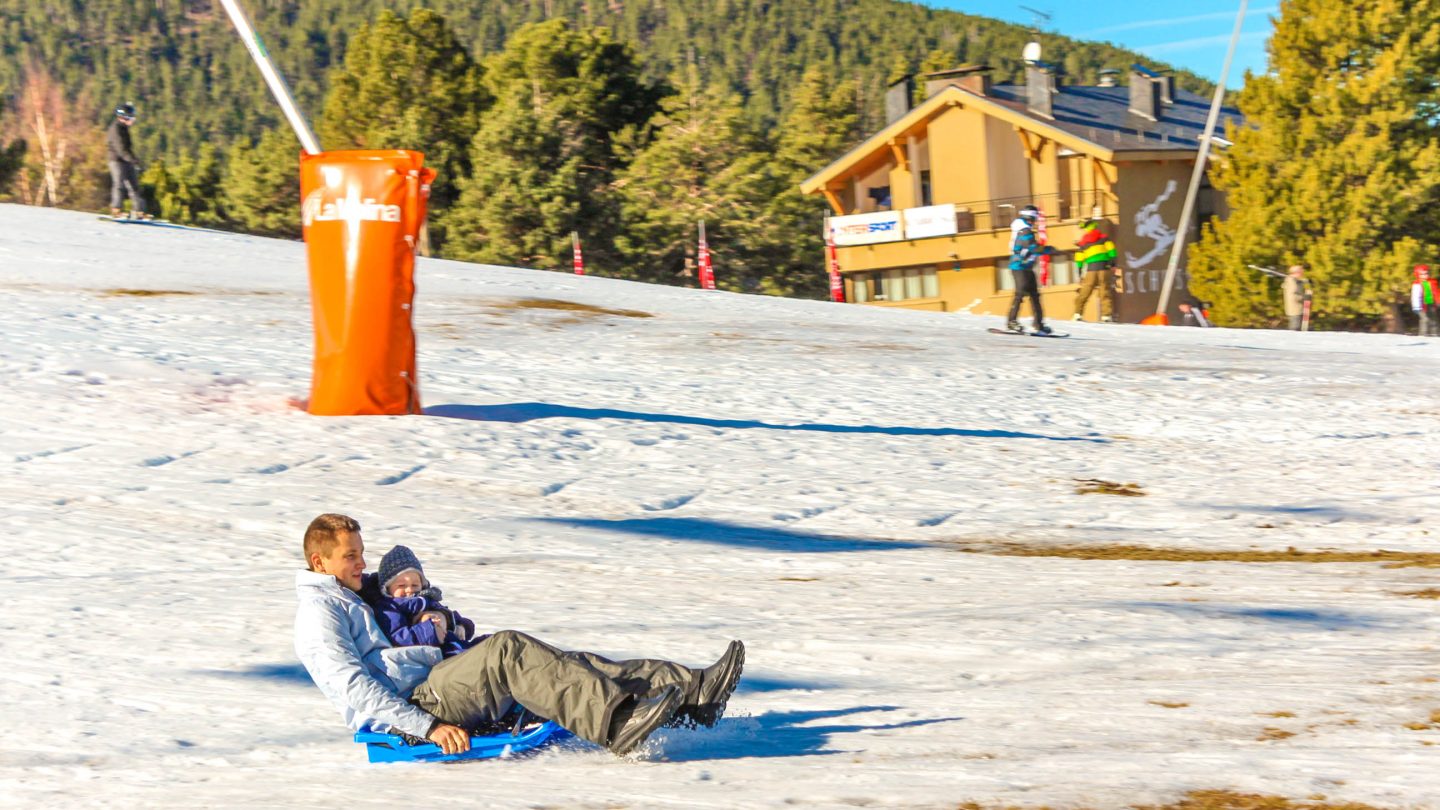


3. Check the weather — and the snow on the lower slopes
Two different checks, and people only do the first.
The weather tells you what to wear. Cold and clear is easy; wind is what makes a sledding day miserable, far more than temperature.
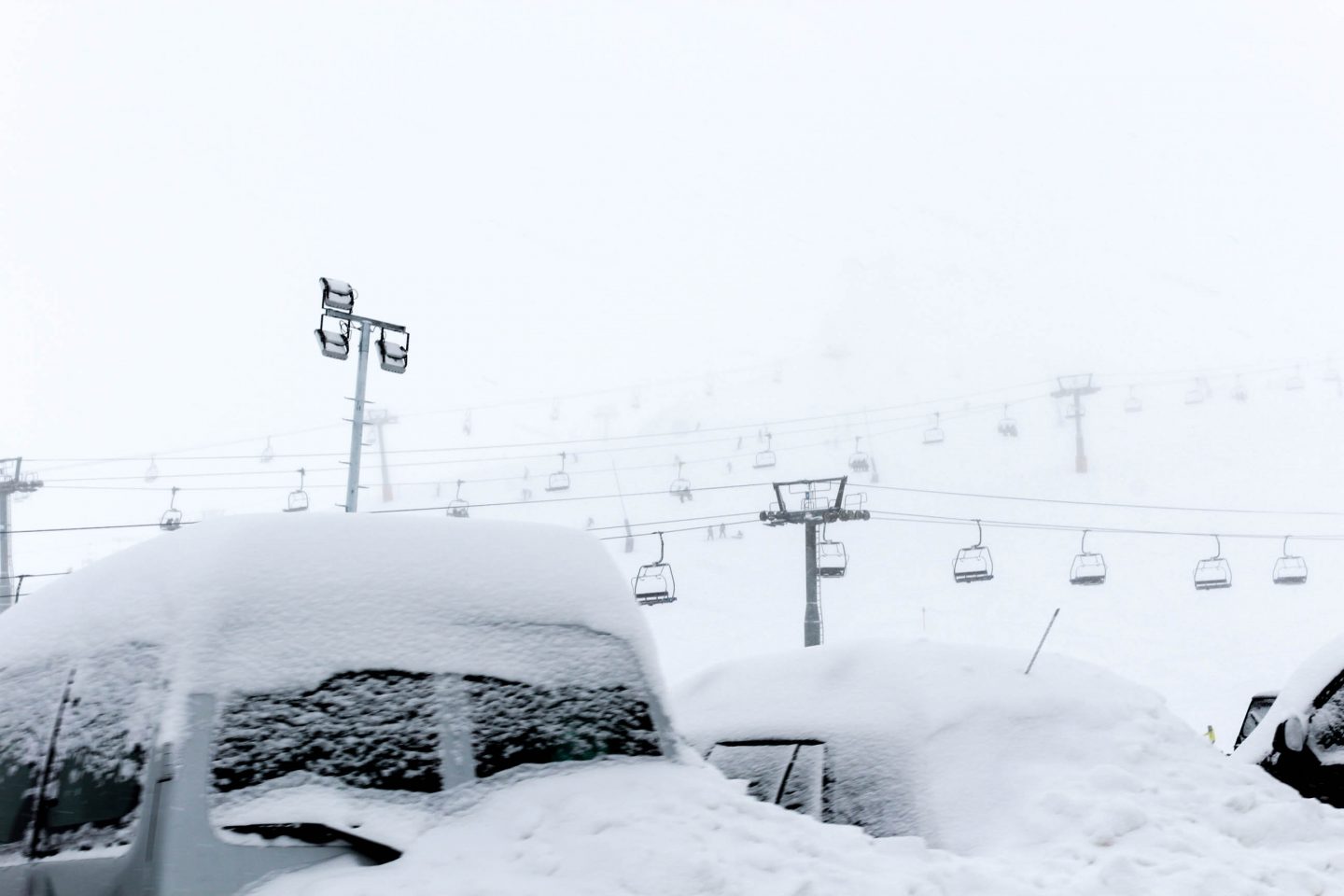
The snow report matters more, and specifically the lower areas. A resort can be fully open on its pistes and have nothing usable on the children’s hill, because children’s areas sit lower down the mountain and are the first thing to lose cover in a thin season or a warm week.
This is the single most common way a family sledding trip is wasted — a two-hour drive to a resort that is technically open and has no snow where you actually need it. Check the specific area, not the resort’s headline status.
4. Choose the right hill
Not every slope is a sledding slope. Before you let anyone go:
- Does it end somewhere safe? Never a hill that runs out onto a road or a car park.
- Is it free of obstacles? Trees, fences, poles, rocks, jumps, bumps. Most sledding injuries are a collision with something that wasn’t moving.
- Is it snow, or is it ice? Snowy is slower and more forgiving. Ice is fast and doesn’t let you steer.
- How crowded is it? A busy hill means collisions with other children, and it means you can’t see your own.
- Never sled on or near frozen water — lakes, ponds, streams.
At a resort you’ll be pointed to a designated sledding area, which solves most of this. On an unmarked hill, walk it once yourself before anyone gets on a sled.

5. Two pairs of waterproof mittens per child
The most useful line on this page.
Hands get wet, wet hands get cold fast, and a child with cold hands is finished — not upset, not complaining, finished. That’s it, the day’s over, and you’ve driven two hours.
Waterproof mittens rather than gloves — mittens keep fingers together and they’re warmer. And a spare pair in the bag for each child, because the first pair will be soaked by mid-morning and swapping them buys you the whole afternoon.
6. Snow trousers matter more than the jacket
Everyone remembers the coat. What actually gets soaked is the bottom half, because your child spends the day sitting in snow.
Waterproof snow trousers, not jeans, not leggings. And a complete change of clothes left in the car — not to change into on the hill, but so the drive home isn’t two hours in wet things.

7. Rent or buy?
Rent if you go once or twice a year. Sled rental at resorts has run around €6–12 per day, which is nothing against the cost of getting there, and it saves carrying a sled through a car park.
Buy if you go more than three or four times a season, or if you have two children who will argue about sharing. A decent sled costs about the same as two days’ rental.
Rental prices are from our own trips and worth confirming — resorts change them.
8. Pick a sled you can actually steer
The safety guidance is clear that a sled with a steering mechanism and a brake is safer than one without, and it’s the thing most people don’t think about when they’re handed whatever’s at the rental counter.
Avoid: flat discs and round saucers. They spin, they can’t be aimed, and a child facing backwards can’t see what they’re about to hit.
One-person or two-person? Two-person sleds are the answer for a first trip — an adult steers, a nervous child sits in front, and everyone has a good time. But children get braver fast: ours were frightened to go alone in the morning and asking to go alone by the afternoon. Rent one of each if you can, and let them move to the single sled when they’re ready rather than when you decide.
9. Sunscreen — yes, in winter
Snow reflects sunlight upwards, and at 1,500–2,000 m the sun is stronger than at sea level. Children burn on their faces in a couple of hours on a clear February day.
Put it on before you leave the car, and again after lunch. This one surprises Mediterranean families in particular, because we associate sunscreen with the beach.
10. Sunglasses or goggles — with a strap
Same reason: glare off snow is genuinely hard on the eyes.
Get the kind with an elasticated neoprene strap. Sunglasses without one end up buried in the snow within the hour, and then you’ve spent your afternoon looking for them.
11. Supervise — properly, and especially under-10s
The guidance is to supervise children under 10 and to stay at the hill rather than watch from a café window, and it’s right.
Beyond safety, there’s a practical version of this: check on them, not just watch them. Ask about hands and feet every half hour or so. Small children will not tell you they’re cold — they’ll keep going until they’re miserable, and by then it’s too late to fix.
Agree a stopping rule before you start. “Three more runs and then hot chocolate” works far better than trying to negotiate an ending in the cold.
12. Keep drinking, and find the first-aid post before you need it
Water. You dehydrate faster than you expect in cold, dry mountain air while dressed for the weather and running around. Nobody feels thirsty; everyone is.
And spend two minutes finding the first-aid post when you arrive. You almost certainly won’t need it. But if you do, you’ll need it quickly, and looking for it with an upset child is not the moment.
What actually ends a sledding day early
In our experience it’s almost never the cold, and almost never boredom. It’s these two:
Wet hands. Covered above, and solved by a spare pair of mittens.
No snow where you need it. A lower children’s hill with bare patches. Solved by checking the specific area before you drive up.
Everything else — a fall, a tantrum, someone getting cold — is fixable with a hot chocolate and twenty minutes indoors.
Where we go sledding
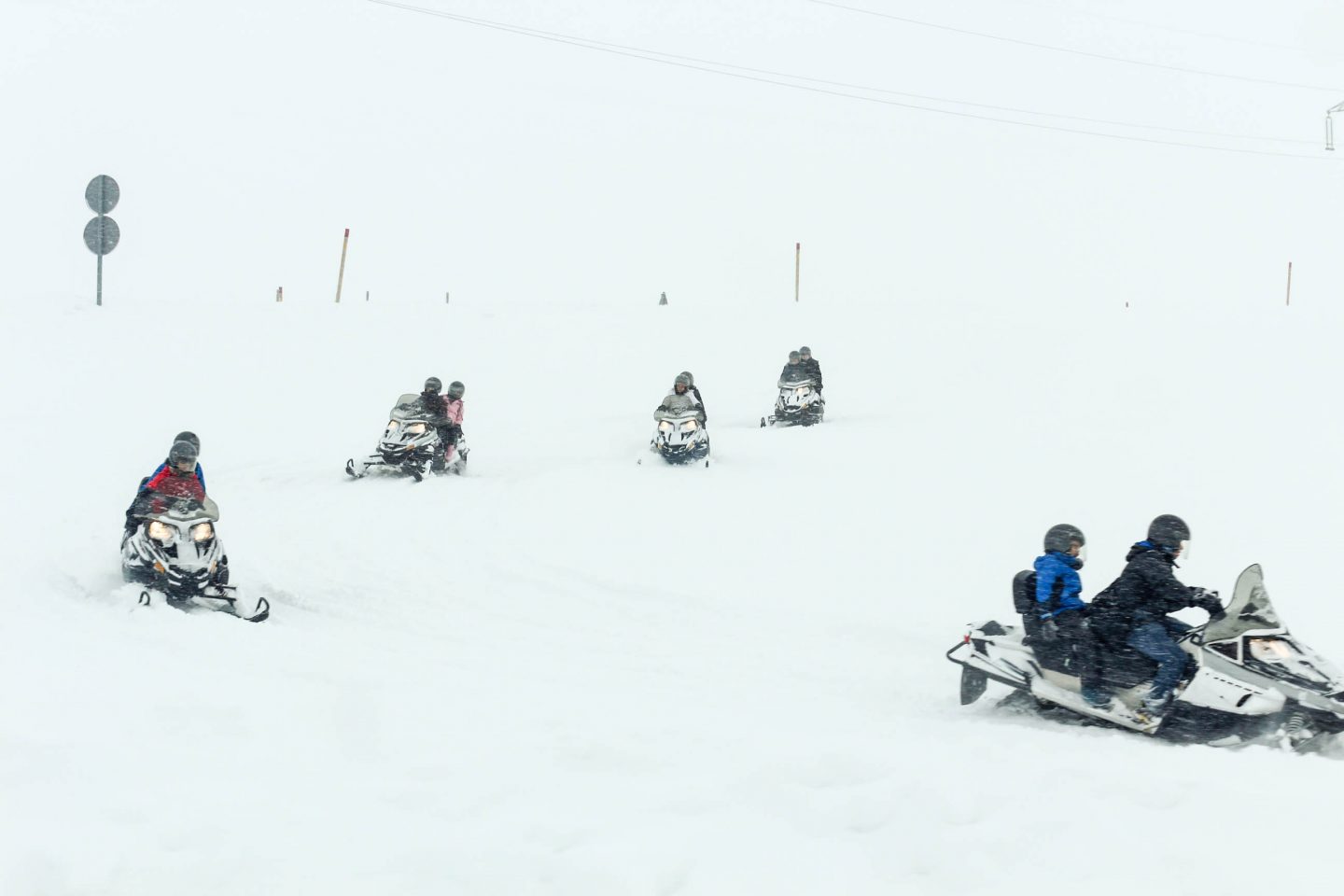
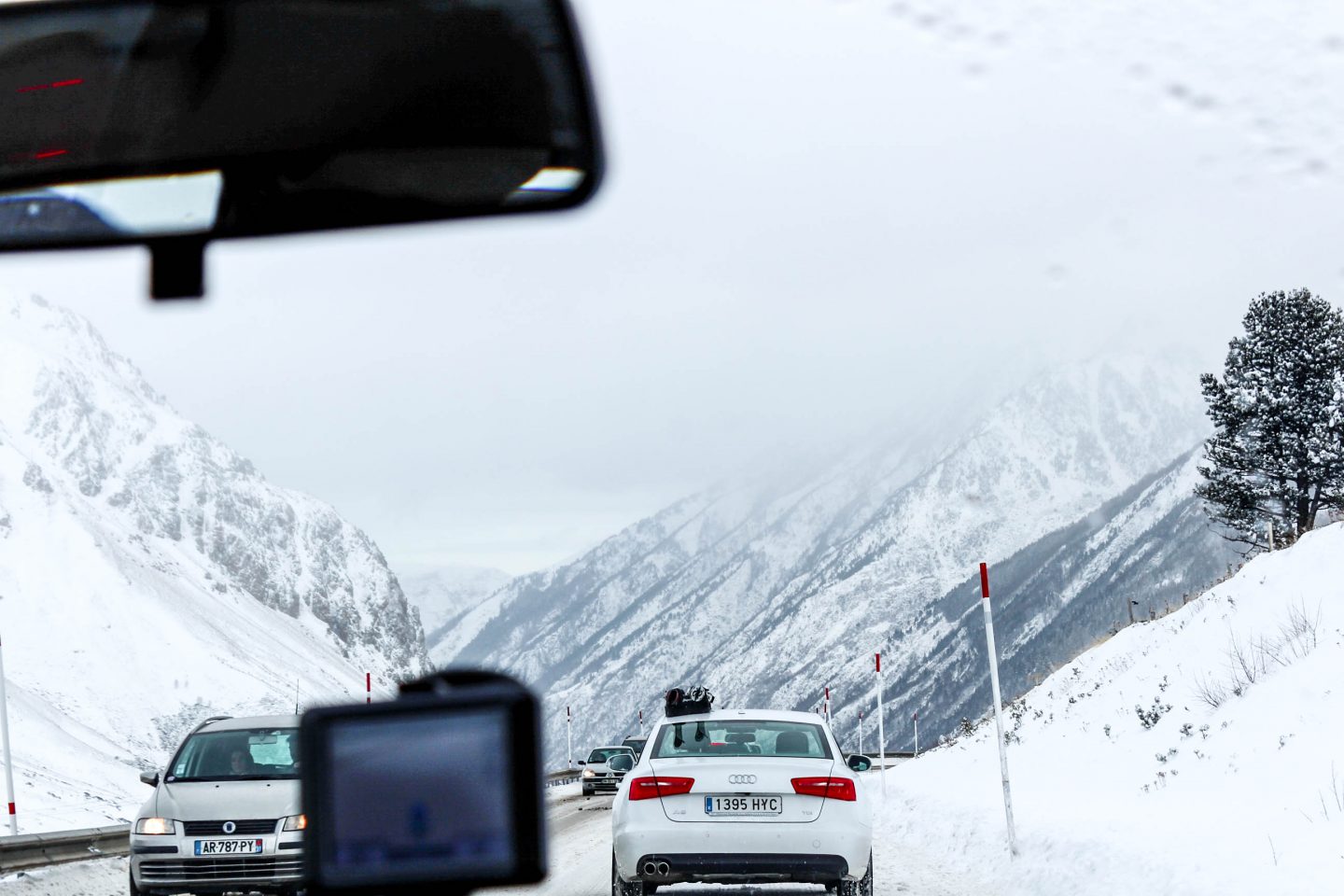
La Molina, in the Catalan Pyrenees, is our default — about 145 km and two hours from Barcelona, free parking, sled rental on site, and a designated sledding area as well as the main hill.
La Molina with kids: sledding, ski school and what a day really costs →
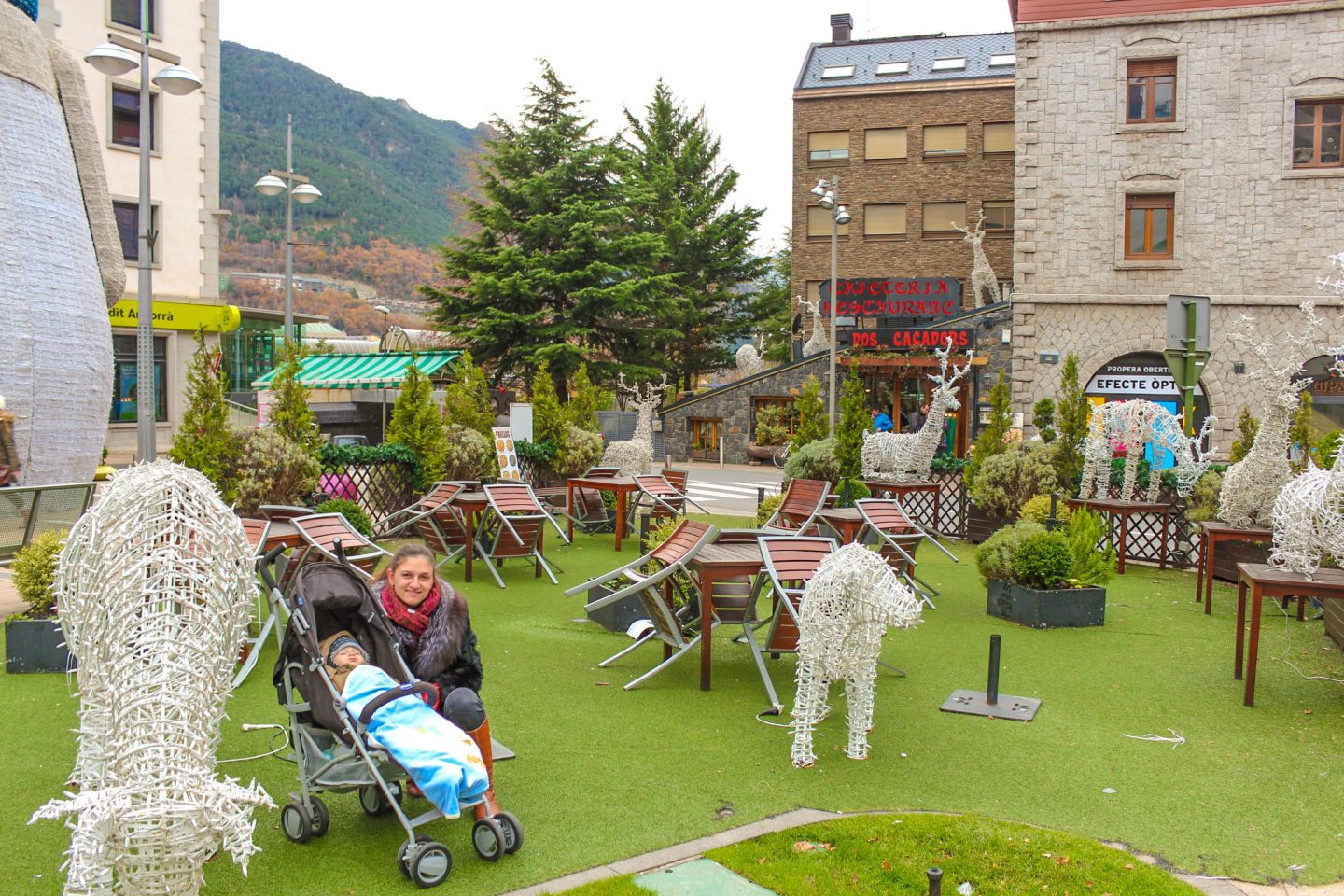
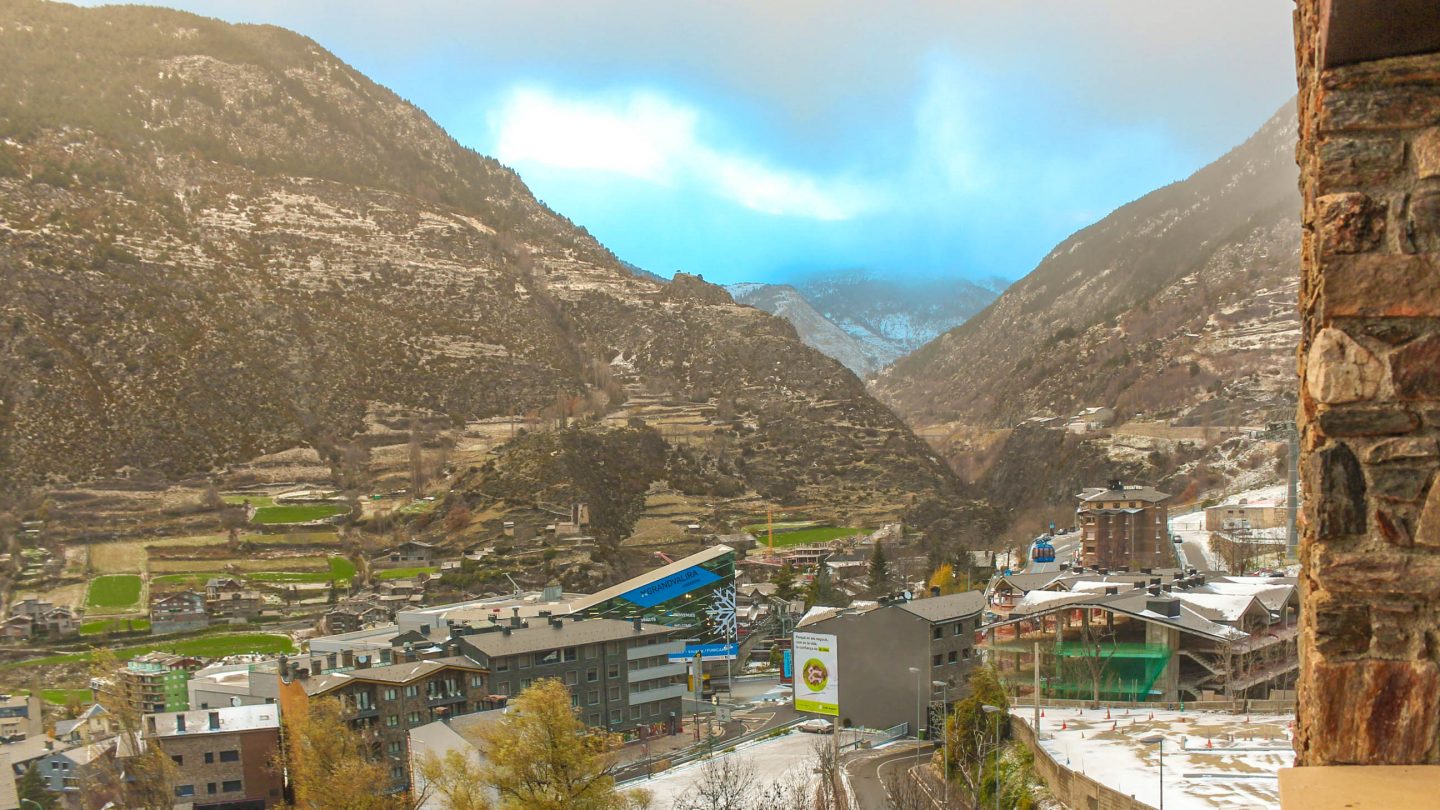
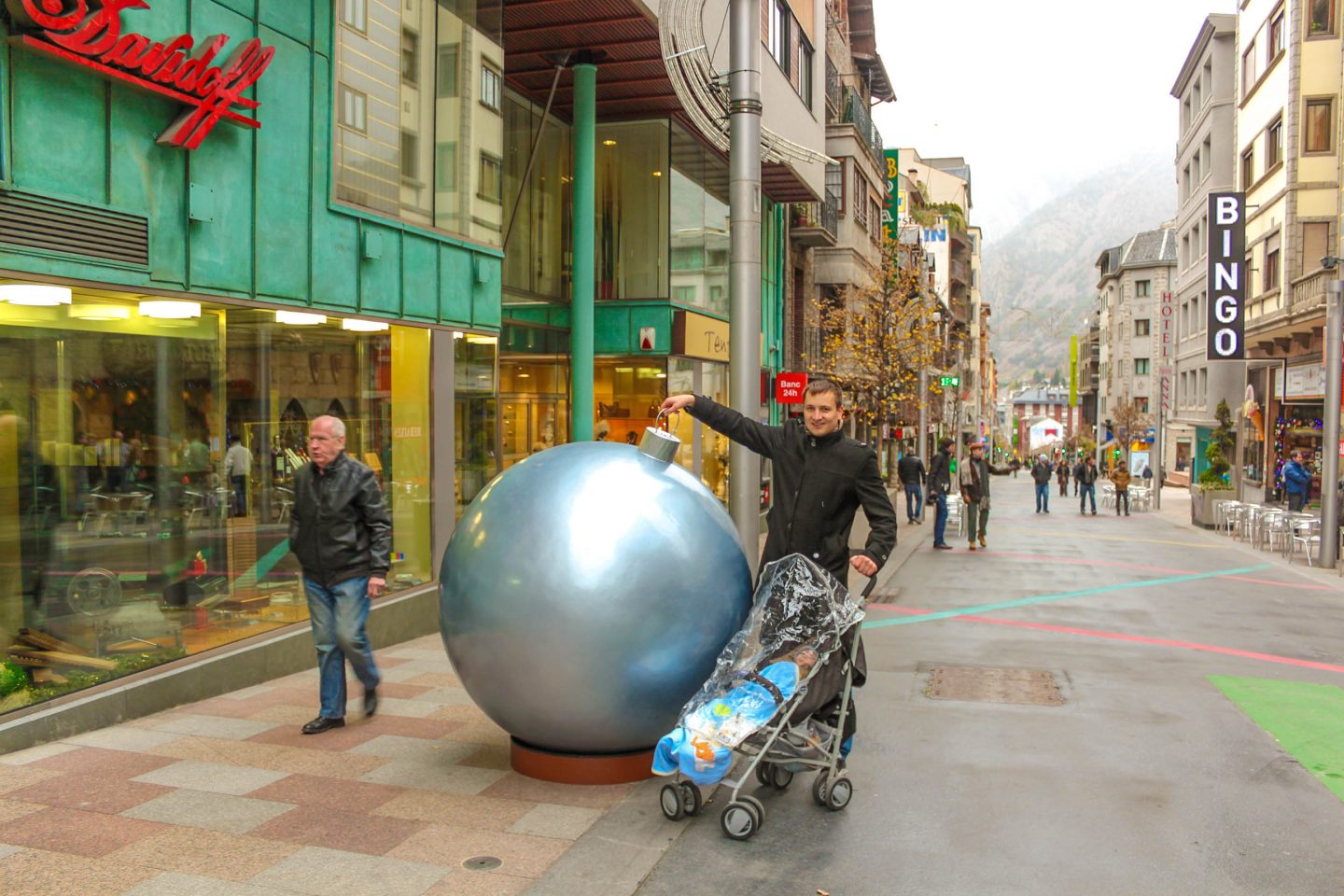
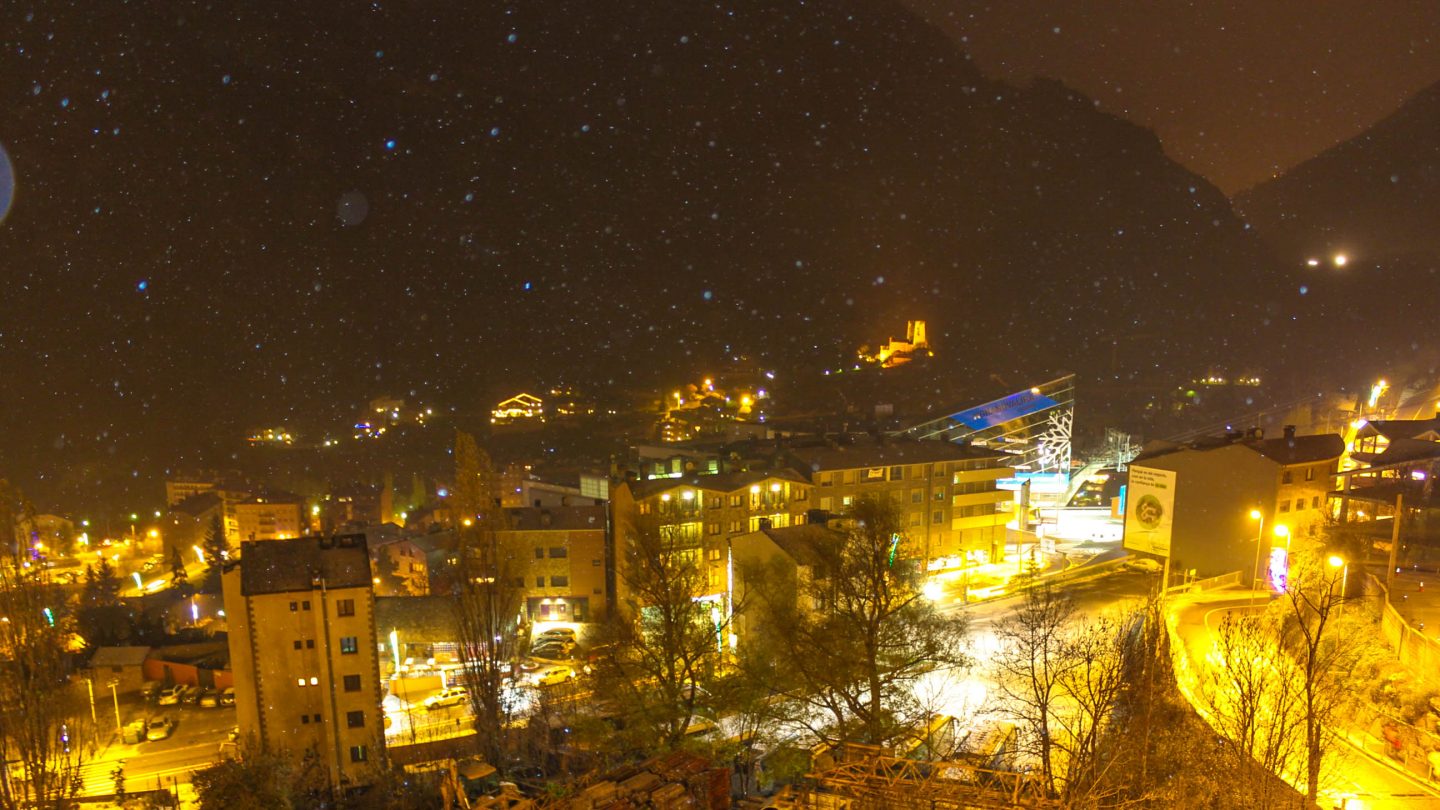
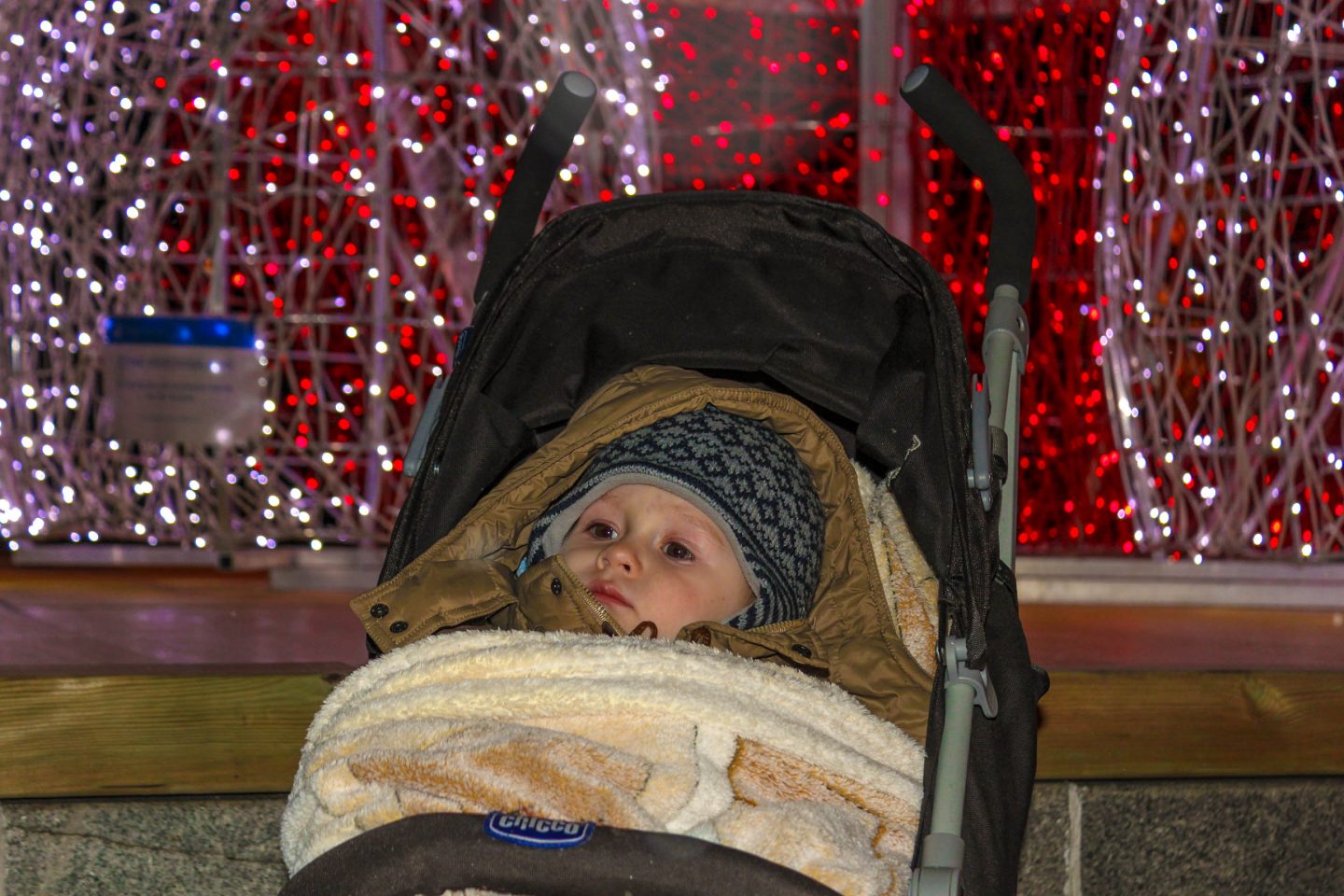
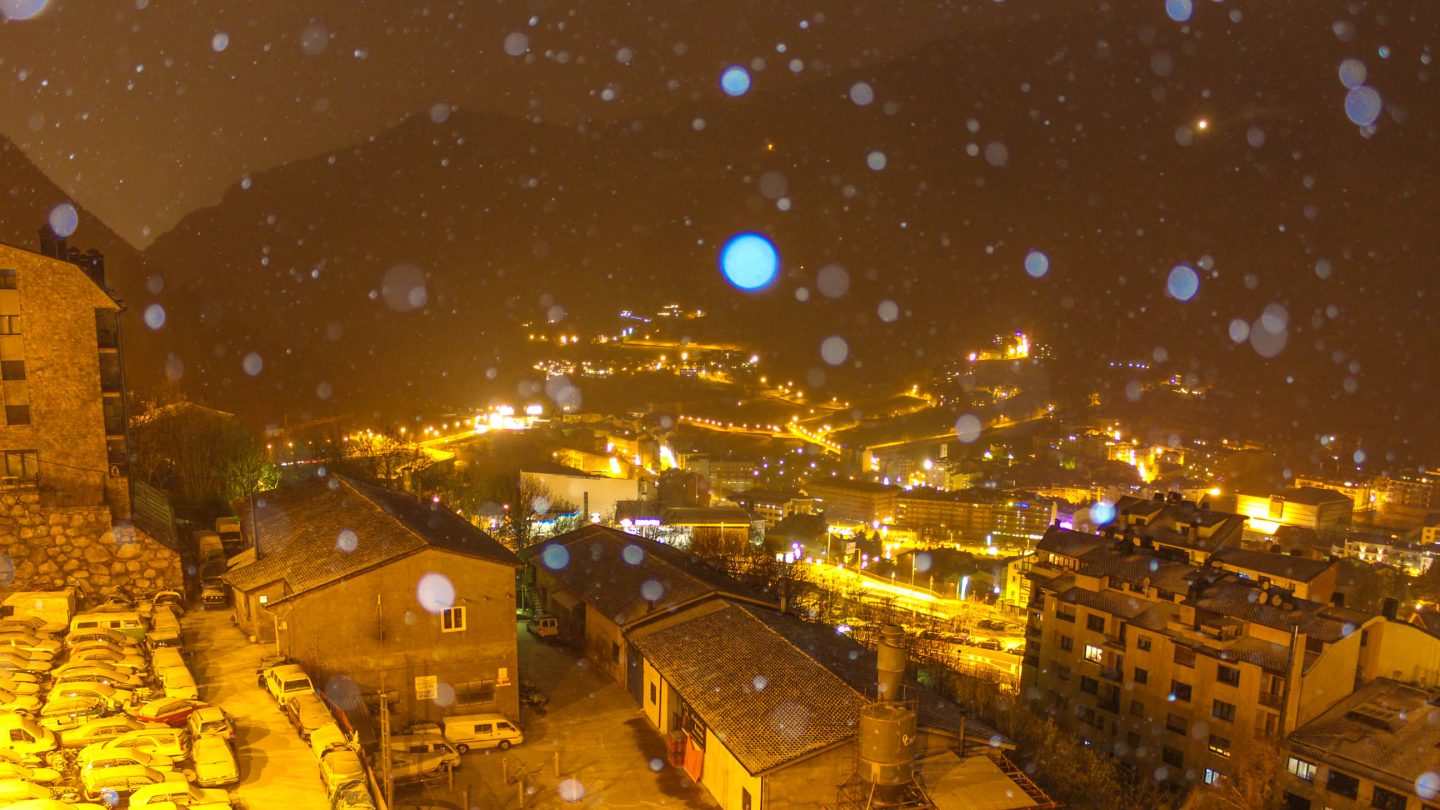
We sledded in Andorra a few weeks before Christmas, when Damian was a preschooler and Marc a baby. We stayed in an apartment in Encamp, and the drive from Barcelona took 4–5 hours in weekend traffic. The whole trip, both seasons, is in our guide to Andorra with kids.
Not sure which to choose? Skiing near Barcelona with kids: 5 resorts compared →
And if you’re ever in Switzerland, the Tobogganing Park in Leysin is sledding taken to an entirely different level.
More winter with kids
- Skiing near Barcelona with kids: 5 resorts compared
- La Molina with kids
- A weekend in Andorra with kids
- Bardonecchia with kids
- Tobogganing Park Leysin
- Barcelona with kids in winter
Frequently asked questions about sledding with kids
Which way should children sit on a sled?
Sitting upright with their feet pointing downhill, never head first. This is the most important sledding safety rule and the one children break most often, because going head first is faster and feels braver. Safety guidance is consistent on it: most sledding injuries happen when a sled strikes a fixed object or a child falls off, and going feet first is what keeps their head out of the impact.
Should kids wear a helmet for sledding?
Yes. Sledding injuries frequently involve the head, including skull fractures, and more than 20,000 children a year are treated for sledding injuries. A ski helmet or an ordinary bike helmet both do the job, so if you are not renting ski gear you can simply bring the bike helmets from home.
How do you choose a safe sledding hill?
Check five things before anyone gets on a sled: that the slope does not run out onto a road or car park, that it is clear of trees, fences, poles and rocks, that it is snow rather than ice, that it is not so crowded you cannot see your own children, and that there is no frozen water anywhere near the bottom. At a resort the designated sledding area handles most of this. On an unmarked hill, walk it yourself first.
What should kids wear for sledding?
Waterproof snow trousers matter more than the coat, because children spend the day sitting in snow. Add waterproof mittens rather than gloves, plus a spare pair for each child, a helmet, and sunglasses or goggles with an elasticated strap. Leave a full change of clothes in the car so the journey home is not spent in wet things.
Is it better to rent or buy a sled?
Rent if you go once or twice a season. Resort sled rental has run around €6 to €12 a day, which is small against the cost of getting there and saves carrying a sled across a car park. Buy if you go three or four times a year or more, or if you have two children who will argue about sharing, since a decent sled costs roughly the same as two days of rental.
What kind of sled is best for children?
One that can be steered and braked. Avoid flat discs and round saucers: they spin, they cannot be aimed, and a child facing backwards cannot see what they are about to hit. A two-person sled is the right choice for a first trip, with an adult steering, but children gain confidence quickly — ours were frightened to go alone in the morning and asking to go alone by the afternoon.
Do you need sunscreen for sledding?
Yes. Snow reflects sunlight upwards and the sun is stronger at 1,500 to 2,000 metres than at sea level, so children burn on the face within a couple of hours on a clear day. Apply it before leaving the car and again after lunch. It catches out families from warmer countries in particular, who associate sunscreen with the beach rather than the mountains.
What usually ends a family sledding day early?
Two things, and neither is cold or boredom. The first is wet hands, which is why a spare pair of waterproof mittens per child matters more than any other item you pack. The second is arriving to find no usable snow on the lower children’s hill, because those areas sit below the main pistes and lose their cover first — so check the snow report for that specific area rather than whether the resort is open.
