
My husband and I were both born in Moldova. We have lived in Barcelona for nearly ten years now, and the food on our kitchen table is still mostly Moldovan — zeamă when someone is ill or cold or sad, plăcintă on a Sunday, sarmale that take half a day and are gone in twenty minutes.
Here is the thing I did not expect when I sat down to write this. Researching it properly, I found out that several dishes I had always thought of as ours are not originally ours at all. Sarmale came up through the Ottoman Empire. Borscht is Ukrainian — which is not even a surprise in my case, because my father is Ukrainian and it has always been on our table too. Pelmeni are Russian. Over a long and complicated history the borders moved, people stayed, and the food became ours by adoption rather than invention.
I think that is the honest way to describe Moldovan cuisine, and most articles about it will not tell you so. It is a small country that absorbed everything around it and made it taste like home.
These are the fifteen dishes we actually eat — what they are, how they are really served in a Moldovan house, and where you would find the good version if you visit.
What is traditional Moldovan food?
The short answer
Traditional Moldovan food is built on the country’s agriculture: grapes, maize, vegetables, pork and dairy. The national dish is mămăligă, a cornmeal porridge eaten with brined sheep’s cheese, sour cream or stew. The cuisine is closest to Romanian, with clear Ukrainian, Russian, Greek, Polish and Ottoman influences layered on top. Meals are vegetable-heavy in summer, pork-heavy at Christmas, lamb-based at Easter, and accompanied by local wine at almost every table.
The fifteen dishes to know: mămăligă · zeamă · plăcintă · sarmale · pârjoale · chiftele · răcituri · fasole bătută · colțunași · murături · brânză · borș · cozonac · pască · sfințișori
Is Moldovan food the same as Romanian food?
Mostly, yes — and any Moldovan will tell you so without much fuss. We share the language, the core dishes and the holiday calendar. Mămăligă, sarmale, plăcintă, cozonac and pârjoale all exist on both sides of the Prut.
What differs is the layer on top. Moldova sat inside the Russian Empire and then the Soviet Union, and it borders Ukraine, so the Slavic influence runs deeper here than in most of Romania — more sour soups, more dill, more sour cream, borscht as a normal weekday dinner rather than a foreign dish. There is a vocabulary difference too: what a Romanian calls ciorbă, a Moldovan household is more likely to call borș.
So: the same cuisine, with a heavier eastern accent.
The 15 traditional Moldovan dishes
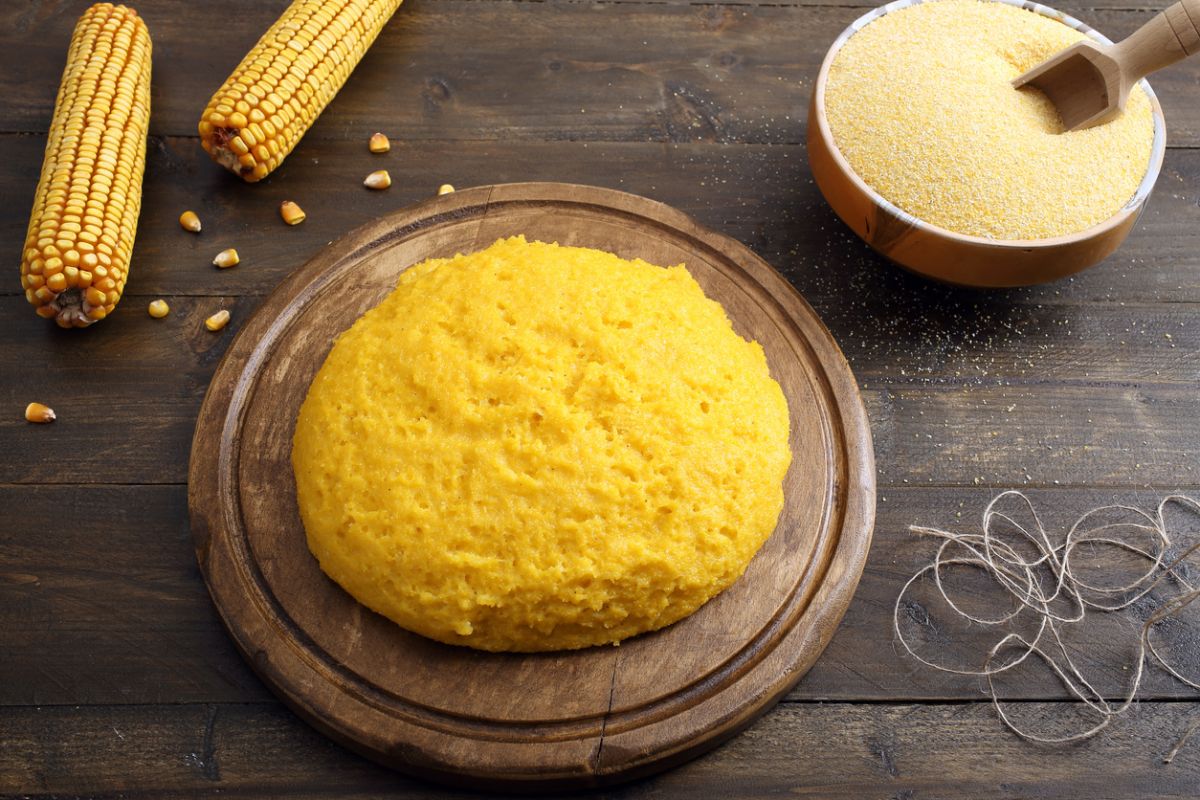
1. Mămăligă — the national dish
Cornmeal boiled into a thick porridge, somewhere between polenta and a bread substitute. It goes with everything: stews, meat, and most classically with brânză (brined sheep’s cheese) and smântână (sour cream), or with jumări — crisped pork rind.
The detail nobody outside the region knows: fresh mămăligă is too sticky to cut with a knife, so it is cut with a length of sewing thread pulled through it. If you see that at a table, you are eating the real thing.
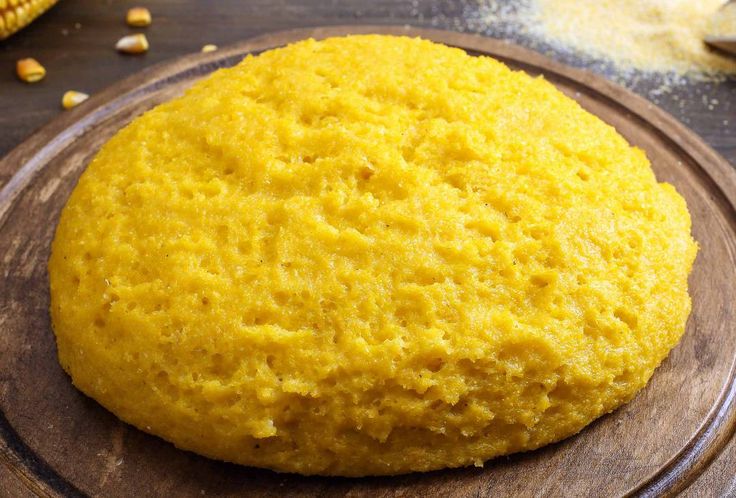
2. Zeamă — the soup that fixes everything
A sour chicken noodle soup, eaten year-round and usually at lunch. Chicken, finely chopped onion, diced carrot, cubed potato, a great deal of parsley, and homemade noodles. Traditionally the noodles are made while the chicken is boiling, so they go in fresh.
The sourness is the point, and it comes from borș — the fermented wheat-bran liquid, not lemon, though lemon is the shortcut most restaurants use now. Served with bread and salt on the table, always.
In our house: I eat mine dipping into a cut-up hot pepper for the heat. The kids take theirs with a large spoonful of sour cream stirred through. It is the only thing they will choose over pasta.
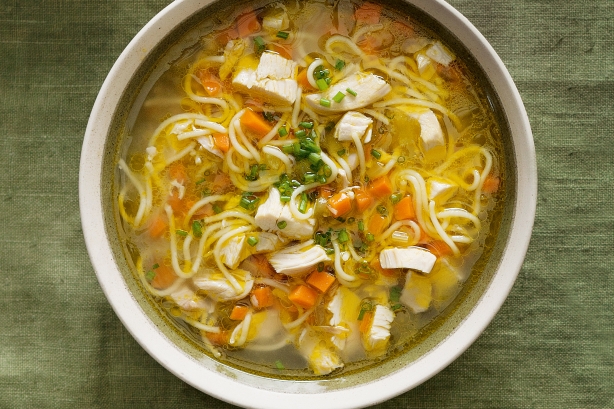
3. Plăcintă — the one to eat first
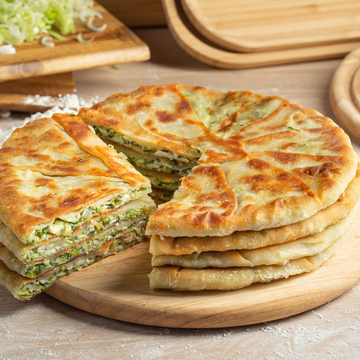
Pronounced pla-chin-ta. A flat pan-fried or oven-baked pastry with a filling — brânză (fresh cheese), varză (cabbage), cartofi (potato), or fruit if it is sweet. Sold everywhere, eaten with your hands, the national on-the-go food.
When my kids were small they called it pizza. The comparison is not right, but I understand why they made it.
The best plăcintă is not in Chișinău. It is in the villages, where it is still made in a wood oven, and where whoever is making it has the filling-to-dough ratio right, which is the whole thing.
4. Sarmale — the holiday dish
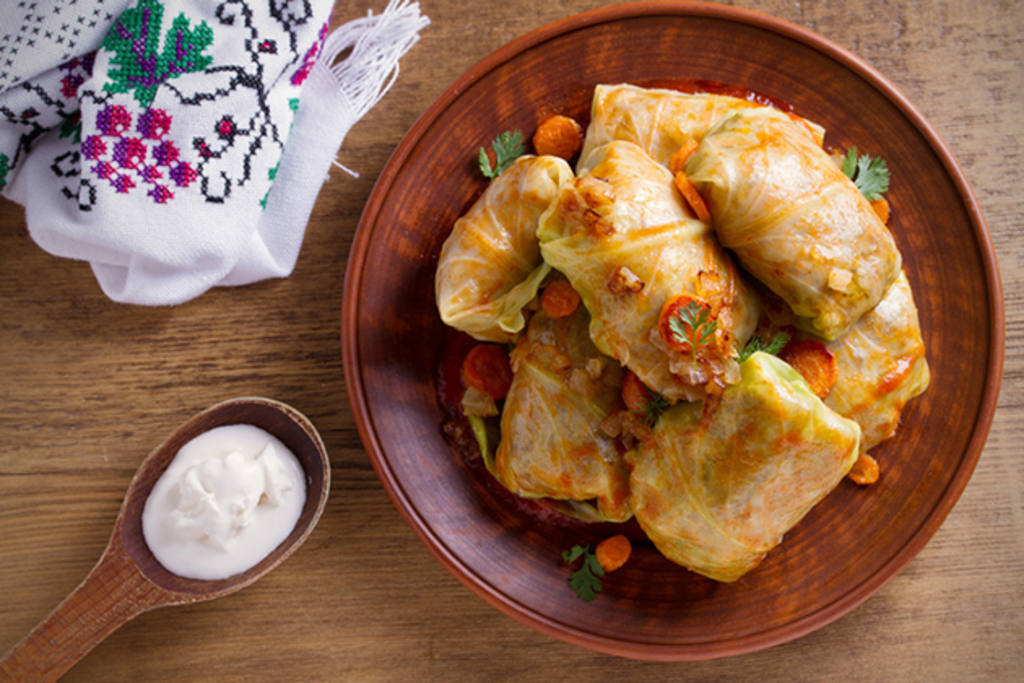
Minced meat and rice, wrapped tight in cabbage, sauerkraut or vine leaves and cooked slowly for hours. In Moldova we serve them with sour cream to dip into, and they turn up at every Christmas, wedding and funeral.
Their ancestry is Ottoman — versions exist across the Balkans, Central Europe, the Caucasus and the Middle East — but they have been a Moldovan holiday fixture long enough that arguing about origins at the table would be considered rude.
5. Pârjoale — the meat patties
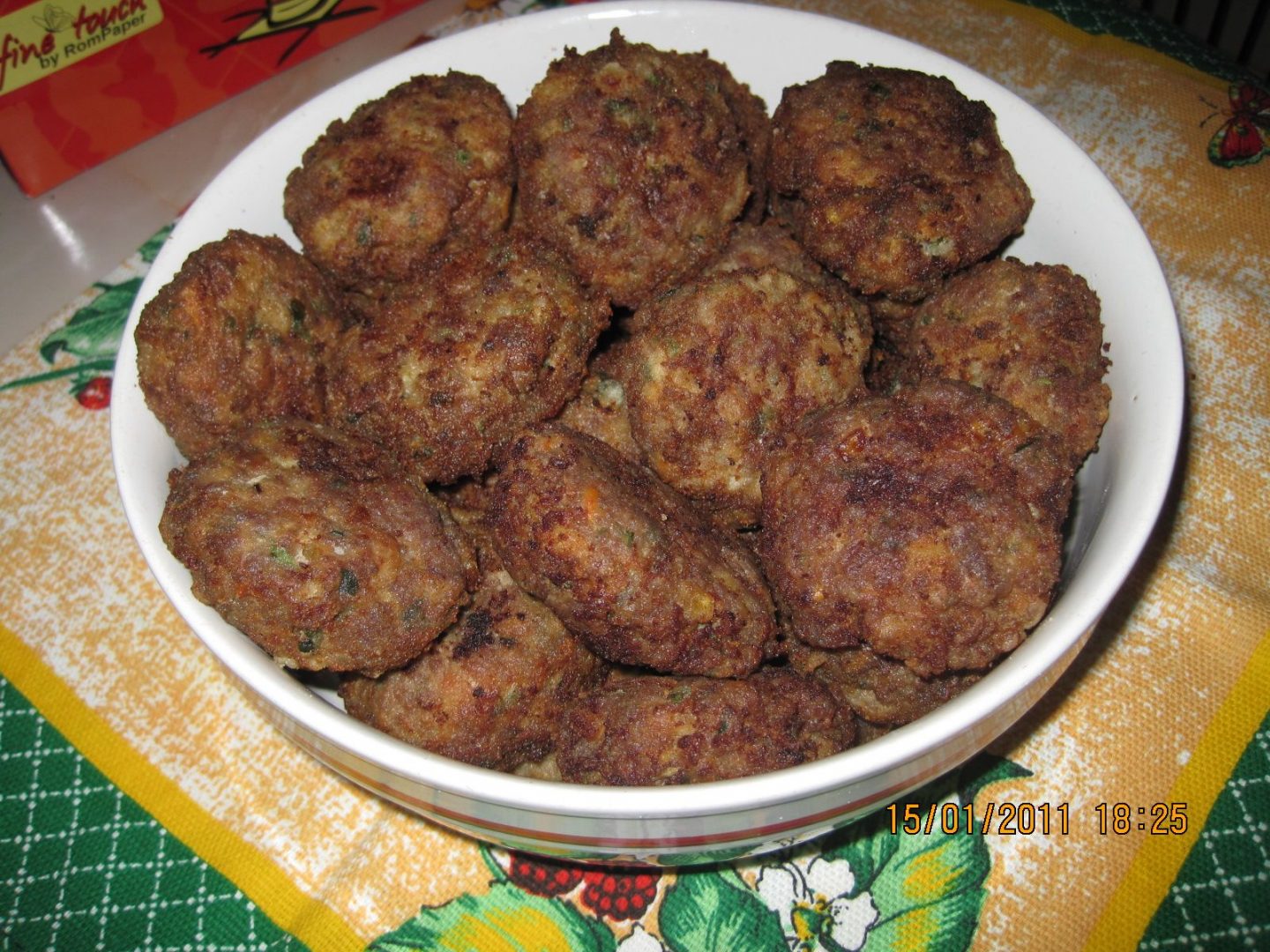
Flattened patties of lamb, pork, beef or a mix, bound with garlic, egg and fresh herbs — dill, thyme, parsley — rolled in breadcrumbs and fried in hot oil so the outside crisps and the inside stays juicy. Usually served as a starter, often eaten cold the next day, which is arguably better.
6. Chiftele — the smaller version
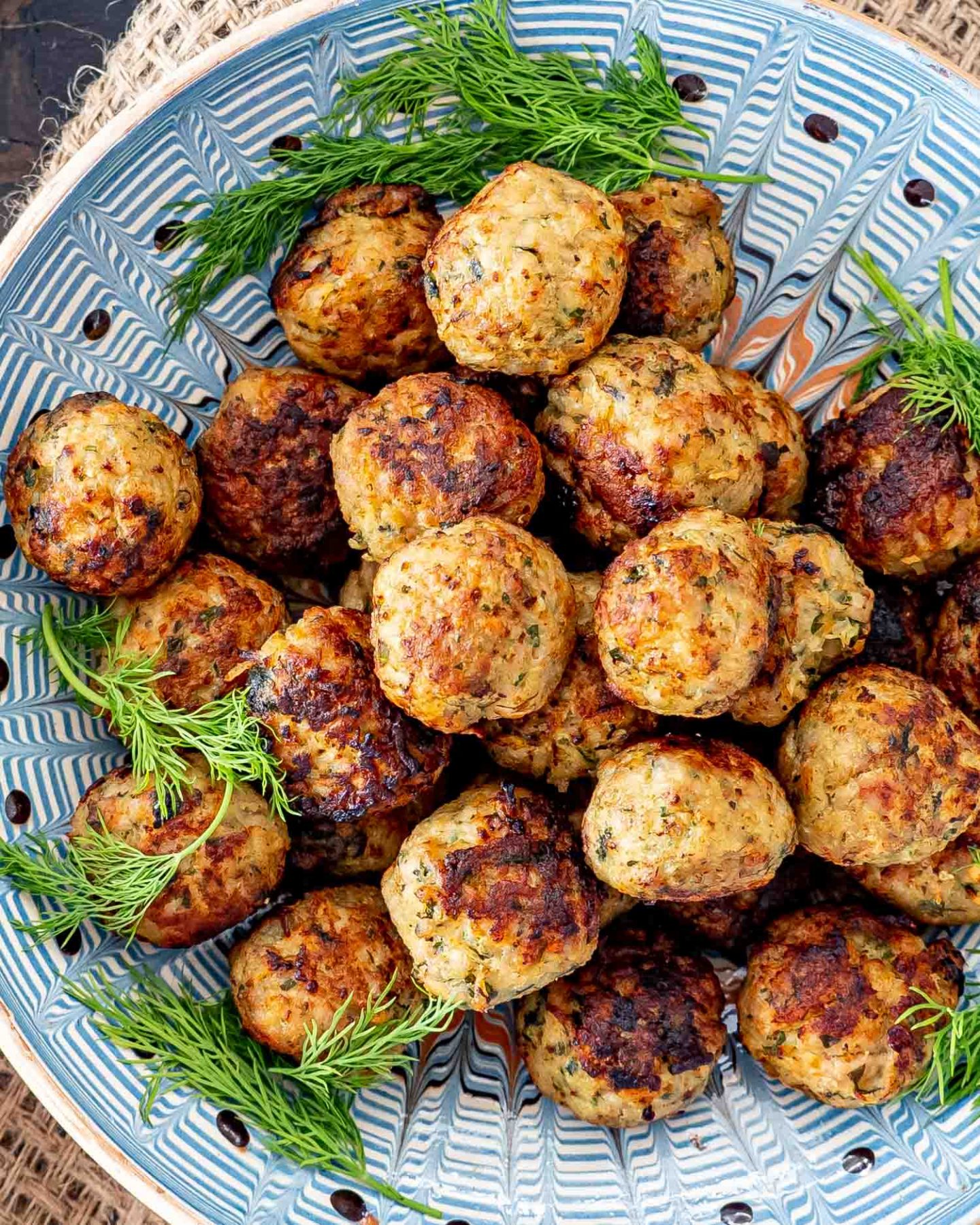
The same idea, smaller and rounder. Pork and beef is the usual combination; chicken if someone is being careful. These go into soups rather than onto a plate of their own.
7. Răcituri — the one visitors are nervous about
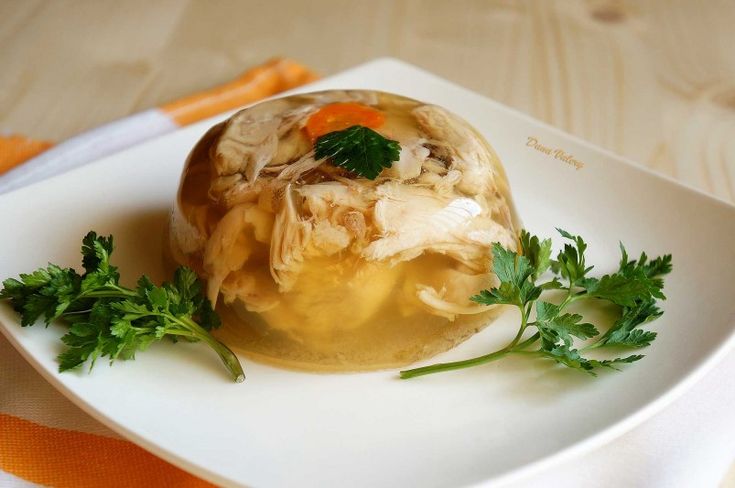
A clear meat jelly, set (not frozen) from slow-cooked pork — ears, trotters and head — and chilled until it holds. It appears on the table at Christmas and it divides the room.
My kids love it. Most visitors approach it carefully and then have a second helping. It is savoury, delicate and nothing like it looks.
8. Fasole bătută — beaten beans
Cold mashed beans, whipped smooth with oil and topped with fried onion. The most popular dish of Lent, when the Orthodox fasting calendar takes meat and dairy off the table for weeks and this is what fills the gap. Eaten with bread, and with murături.
9. Colțunași — the dumplings
Half-moon dumplings, a local relative of pierogi. Filled with fresh white cheese (colțunași cu brânză), meat (cu carne) or sour cherries (cu vișine), and served with sour cream. The cherry version is a dessert and one of the best things in the cuisine.
10. Murături — the pickles
Not a side note. Pickled vegetables are a structural part of a Moldovan winter table: tomatoes, cucumbers, cabbage, peppers, watermelon. Every family jars them in autumn and they appear beside almost every meat dish from November to March.
11. Brânză — the cheese
Brined white sheep’s cheese, salty and crumbly, and the default partner to mămăligă. It also fills plăcintă and colțunași. If you buy one thing at the Central Market in Chișinău, buy this.
12. Borș — the sour soups
Two meanings, both correct. Borș is the fermented wheat-bran liquid used to sour soups — a ferment families make and keep. And it is the name for the soups made with it.
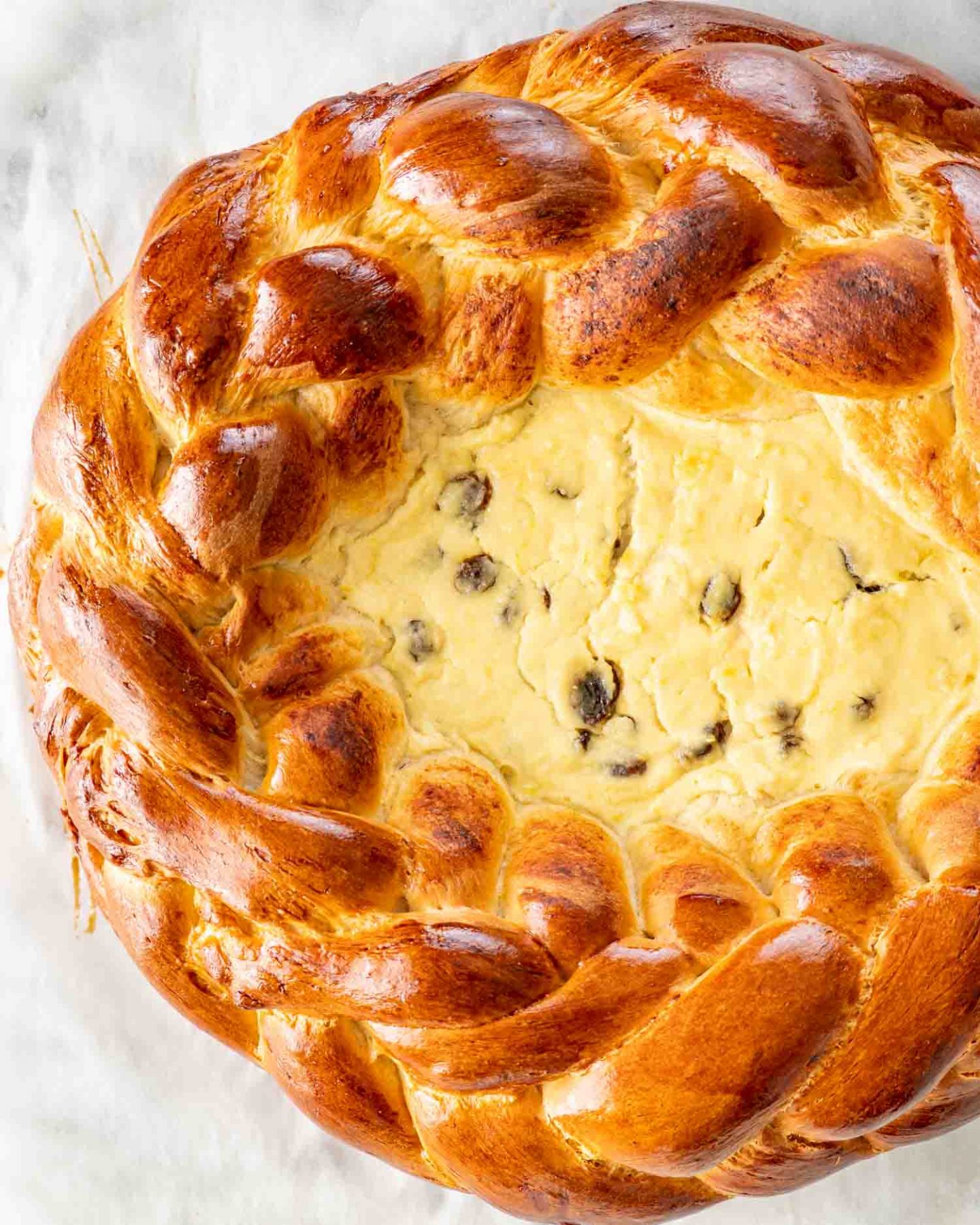
13. Pască — the Easter bread
Cozonac dough, shaped into a ring or round and filled with sweetened cheese, cream and nuts. Orthodox Easter, blessed at church, and eaten first thing after the midnight service.
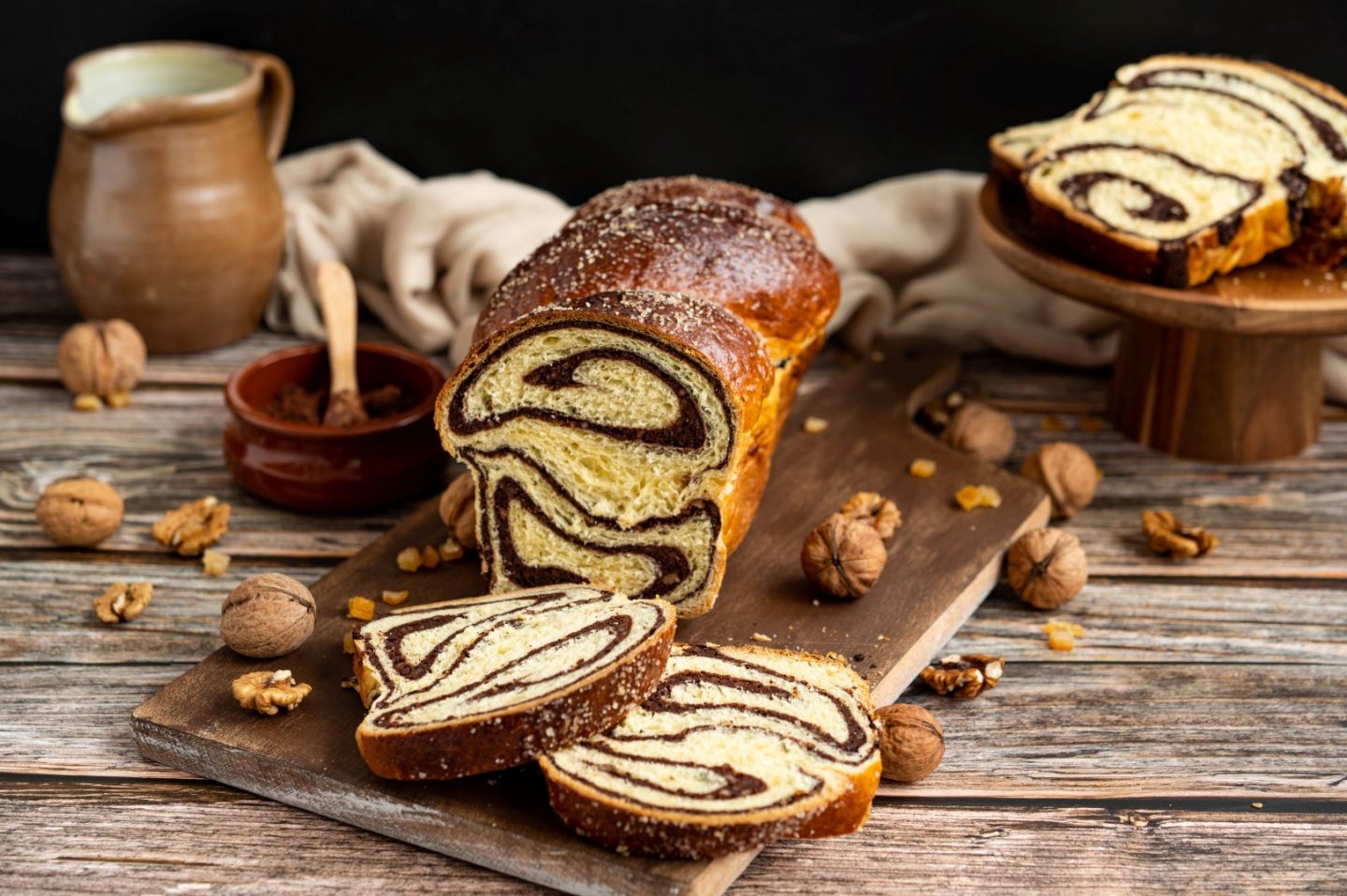
14. Cozonac — the sweet bread
Homemade panettone, essentially. A rich, sweet, leavened bread of milk, yeast, eggs, sugar and butter, rolled through with walnuts, cocoa or dried fruit. It appears at Christmas, Easter and New Year, and the smell of it baking is the smell of a Moldovan holiday.
15. Sfințișori — the little saints
Sweet dough shaped into small birds or figures, baked and glazed with honey and walnuts, made on 9 March for the feast of the Forty Martyrs. Every Moldovan child has made these badly at least once.
Also worth knowing: brânzoaice — fried cottage-cheese patties, a breakfast and snack item; and ghiveci, a vegetable stew that pairs with mămăligă.
What people eat where: Moldova’s regional differences
This is the part most guides skip, and it is the part that will actually change what you order.
Moldova is small, but what is on the table shifts noticeably depending on where you are and who settled there.
- Eastern regions, along the Ukrainian border, eat sour soups above everything else. Borscht is standard, not occasional.
- Southern regions lean much harder on meat.
- The Bessarabian Bulgarian communities in the south make mangea — chicken in a rich sauce.
- The Gagauz, the Turkic Orthodox minority with their own autonomous region, make shorpa, a heavily seasoned mutton soup.
- Russian communities make pelmeni, small meat-filled dumplings.
If you travel south from Chișinău you can eat your way through three or four distinct food cultures inside a two-hour drive, in a country you can cross in half a day. Very few visitors realise this, and almost nothing written in English says so.
Moldovan wine: what to drink with all of it
Wine is not an accompaniment in Moldova, it is part of the meal. Most rural families still make their own, and a jug of house wine on the table is normal rather than special.
Two places make the country’s wine reputation, and both are close enough to Chișinău for a half-day trip:
- Mileștii Mici holds the Guinness World Record for the largest wine collection on earth, awarded in 2005. Its galleries run 40–80 metres underground and stretch for over 200 kilometres, of which around 55 km are in active use. It sits roughly 18 km from Chișinău — about half an hour’s drive. (Published figures for the collection size vary between sources; the winery and UNESCO’s tentative-list entry are the ones to quote.)
- Cricova has over 120 km of underground galleries, holds more than 40 million litres of wine, and keeps a National Wine Cellar collection of around 1.3 million bottles. It is a short drive north of the capital, and the galleries are wide enough to be driven through.
Both are on UNESCO’s tentative World Heritage list.
Look for Fetească Neagră and Rara Neagră among the local red grapes, and Fetească Albă among the whites. These are indigenous varieties you will struggle to find outside the region, which makes them the more interesting order than another Cabernet.
Where to taste traditional Moldovan food
In Chișinău
The capital has the widest choice and is the easiest base for a first visit.
The Central Market (Piața Centrală)
For brânză, murături, honey, walnuts and the produce the whole cuisine is built on. Go in the morning. This is also the cheapest way to eat well in Chișinău.
In the villages
The best plăcintă in the country is made in village wood ovens, not city kitchens. If you are driving between Chișinău and Orheiul Vechi or out to the wine regions, stop where locals are stopping.
At the wineries
Cricova and Mileștii Mici both pair cellar tours with a traditional lunch, which is the most reliable way for a visitor to eat several of these dishes in one sitting.
Staying somewhere that feeds you properly
If you want the home version rather than the restaurant version, spend a night or two outside the capital. Countryside guesthouses generally serve what the family is eating — homemade bread, zeamă, their own cheese, their own wine, cozonac — and that is a different and better experience than any restaurant will give you.
If you only eat one Moldovan meal
Zeamă, then plăcintă with brânză, then a glass of Fetească Neagră.
That is the whole cuisine in three items: the soup that every family makes slightly differently, the pastry everyone eats standing up, and a grape that grows almost nowhere else. If you get those three and nothing more, you have understood the place.
If you have tried any of these — or you make them at home somewhere far from Moldova, like we do — tell me in the comments which version your family makes. Every household argues that theirs is correct.
A Perfect Moldova Food Trip Itinerary
If you want to combine accommodation and cuisine, a great itinerary could look like this:
Day 1–2: Chișinău
Try:
- Mămăligă
- Zeamă
- Placintă
- Pârjoale
Explore restaurants, markets, and local wine bars.
Day 3: Cricova or Milestii Mici
Enjoy:
- Wine tasting
- Traditional lunch
- Vineyard experiences
Day 4–5: Moldovan countryside
Experience:
- Homemade food
- Village traditions
- Local hospitality
This combination allows you to taste Moldova beyond restaurants — through the people, traditions, and places where these recipes were created.
Frequently asked questions about Moldovan food
What is Moldova’s national dish?
Mămăligă, a thick cornmeal porridge similar to polenta. It is served with brined sheep’s cheese (brânză), sour cream, crisped pork rind or a meat stew. Fresh mămăligă is too sticky to cut with a knife, so it is traditionally cut with a length of sewing thread.
Is Moldovan food the same as Romanian food?
Largely yes. Moldova and Romania share the core dishes — mămăligă, sarmale, plăcintă, cozonac and pârjoale all exist in both. The difference is the Slavic layer on top: Moldova has more sour soups, more dill and sour cream, and borscht as an ordinary weekday meal, reflecting its long history within the Russian Empire and the Soviet Union.
What is zeamă?
Zeamă is a sour Moldovan chicken noodle soup, eaten year-round and usually at lunch. It is made with chicken, onion, carrot, potato, a lot of parsley and homemade noodles, and soured with borș, the fermented wheat-bran liquid. It is served with bread and salt, and often with sour cream stirred in.
What is plăcintă?
Plăcintă is a Moldovan flatbread pastry, pan-fried or baked in a wood oven, filled with fresh cheese (brânză), cabbage (varză), potato (cartofi) or fruit. It is the country’s main on-the-go food and is eaten with your hands. The best versions are made in village wood ovens rather than in city bakeries.
Is Moldovan food spicy?
No. Moldovan cooking is savoury and herb-led rather than hot, built on garlic, dill, parsley, thyme, lovage and celery. Heat is added at the table by choice — many people eat zeamă alongside a cut-up hot pepper — rather than cooked into the dish.
Where can I try Moldovan wine?
Cricova and Mileștii Mici are the two best-known cellars and both run tours from Chișinău, around half an hour away. Mileștii Mici holds the Guinness World Record for the largest wine collection in the world, awarded in 2005. Look for the indigenous grapes — Fetească Neagră and Rara Neagră among the reds, Fetească Albă among the whites.

Oh my goodness, my mouth is watering. Seriously, I just stared longingly at a few of these pictures, lol!
Author
ahahahaha, my mouth was watering only writing this article
These dishes look delicious! I think I’ve had a version of the Cozonac before – it was really yummy!
Author
yeah, it is super delicious, thank you
I have never heard of Moldova! Sounds like a beautiful place. We live somewhere where there is NO rich soil but somehow we’re managing to grow some fruit and hardy vegetables. These dishes all look and sound amazing! Thank you so much for sharing.
Author
Moldova is a very small country, there is no wonder you didn´t hear of it previously, I am glad you enjoyed reading the post
All of this food looks amazing! Especially the sarmale.
Author
yeah, all this food is soooo delicious
I would love to try all these things! My son would be like…can I just get a hotdog? lol
Author
ahahaha, very common within kids, mine if it would be another´s culture food, will do the same
It’s lunch time, and I’m so hungry. All these dishes, officially made my tummy rumble, my mouth water, and making me wish I had this in front of me to eat, right at this moment!
Author
oh I know, my mouth was watering all way writing this article, i just understand you
All of these dishes look so delicious! I loved all of your commentary behind each dish as well!
-Jennifer
Author
thank you a lot for appreciations, I really wish you will taste one day this delicious food
YUMMY. I would like to try them.
Author
for sure, you will be amazed how delicious these are
I’m going to work as domestic worker in Moldova, first time I heard this country, I’m interesting with food, I live foodie, the difference now is I’m encharge of cooking, except of household chores.. Before I’m cook in Qatar too, keto and gouteen free the family I’m worker in Qatar so they have own preferences and stars of cooking mostly homemade and organic, now in Moldova soon, I’m coming, I don’t have any idea.. But food looks delicious, I don’t know if easy recipes and quick to make… Thanks this blog and photo is important to familiarize
Author
i am very happy that you found this post useful. wish you a great stay in Moldova, and wish you enjoy the beautiful side of my home country.