
We live in Barcelona and we have seven beaches inside the city. Most weekends that we’re not going anywhere else, we get on a train and leave all of them behind.
We go to El Masnou, twenty-five minutes up the coast, and this is why.
The short version
- Where: a small seaside town on the Maresme coast, just north of Barcelona
- How far: about 25 minutes on the R1 train from central Barcelona
- Cost: the beach is free; you pay the train fare
- Why: cleaner water, more space, and a town rather than a tourist front
- Best for: a whole day, with children, when you want to stop sightseeing

Why leave the city beaches
Nothing wrong with Bogatell — it’s our pick inside the city and it’s a good beach.
But Barcelona’s beaches are urban beaches. They are backed by a promenade, a city and eighteen million visitors a year, and in July and August that is exactly what they feel like. The water is fine; the experience is a crowd.
El Masnou is a beach with a town behind it rather than a city. The water is noticeably clearer — the Maresme coast north of Barcelona is where the water gets better, and it keeps getting better the further up you go. There is space. There are no hawkers walking the sand. And the people on it live there.
Twenty-five minutes for that trade is the best deal on this coast.
Getting there — and the journey is part of it
By train — the R1 line.
This is the detail that makes El Masnou work, and it’s the thing to know about the whole Maresme coast: the R1 runs along the seafront. Not near it — along it, with the sea out of the window for most of the way. Children watch the whole journey. It’s one of the nicest twenty-five minutes of train travel in Catalonia and it costs the price of a ticket.
- Board at Plaça Catalunya, Arc de Triomf or Clot
- Take the R1 towards Mataró or Blanes
- Get off at El Masnou
- The station is on the seafront — you walk out and you’re there
⚠️ Check the current fare zone before you travel. El Masnou is outside Barcelona’s central zone, so a standard city ticket won’t cover it — you need a ticket for the right number of zones. How Barcelona’s ticket zones work.
By car: about 20 minutes on the C-32 or the N-II coast road. We usually drive, because with two children and a day’s worth of beach things a car is easier. Parking is manageable outside peak August weekends.
What it’s actually like
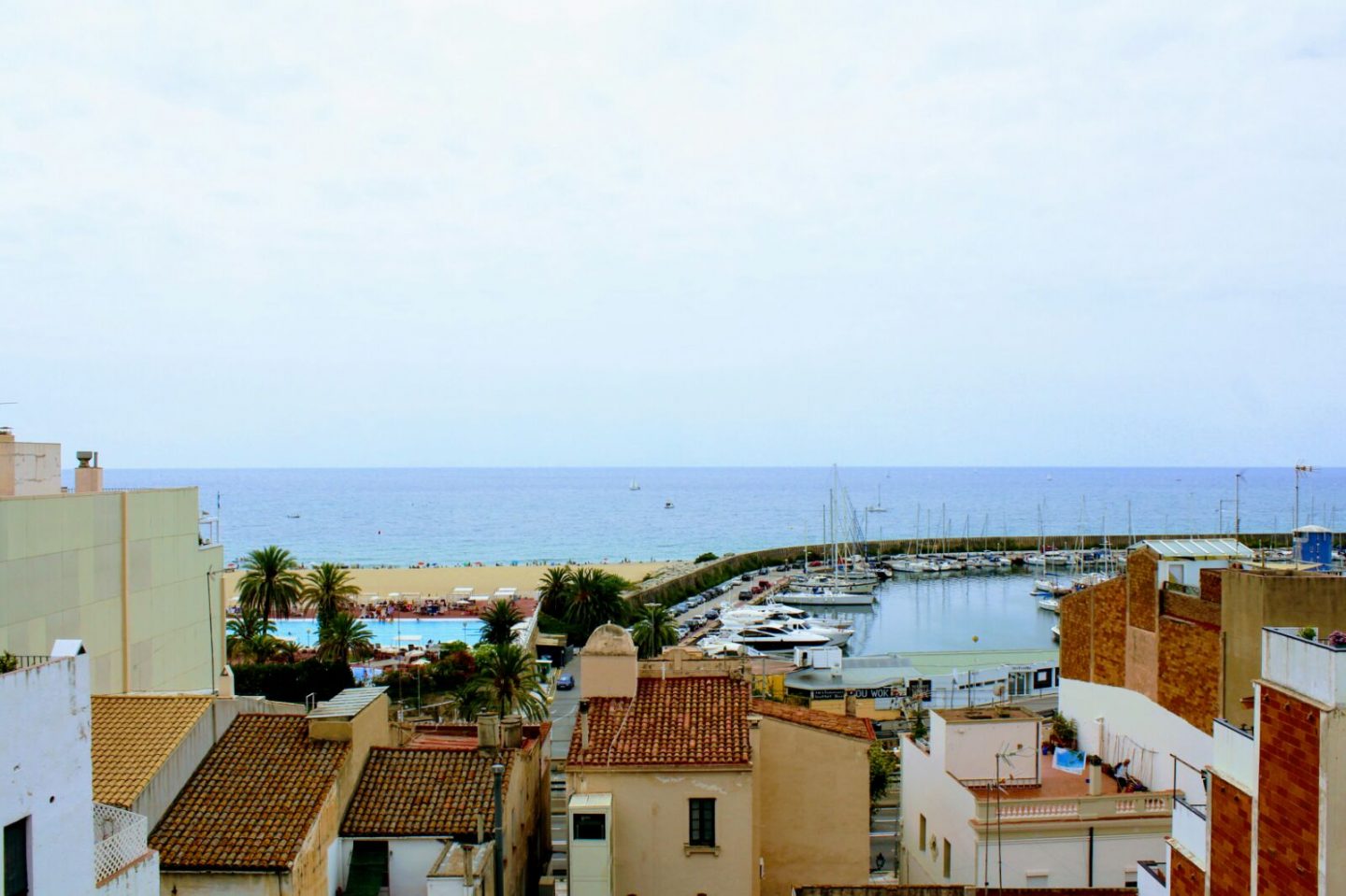
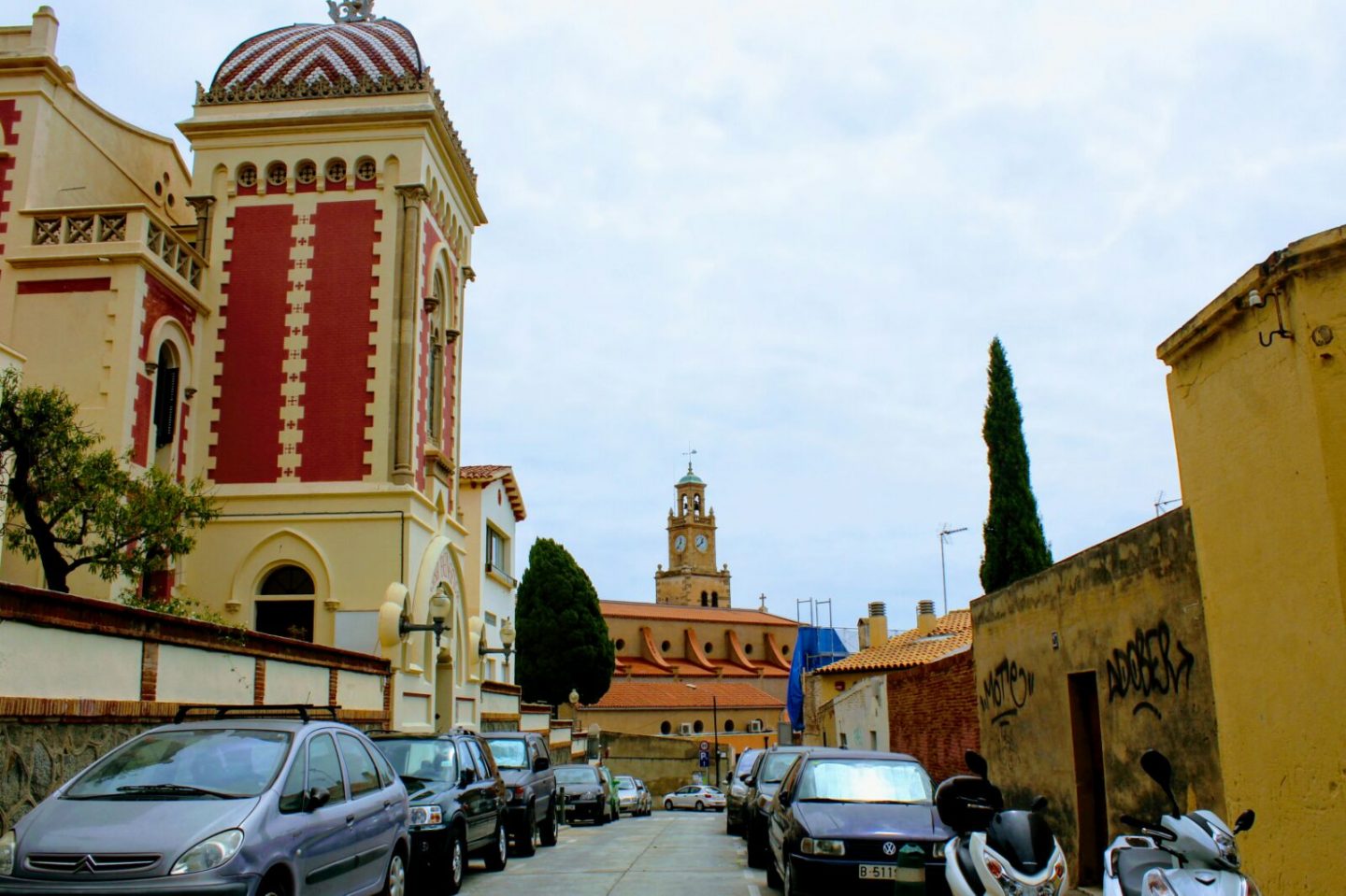
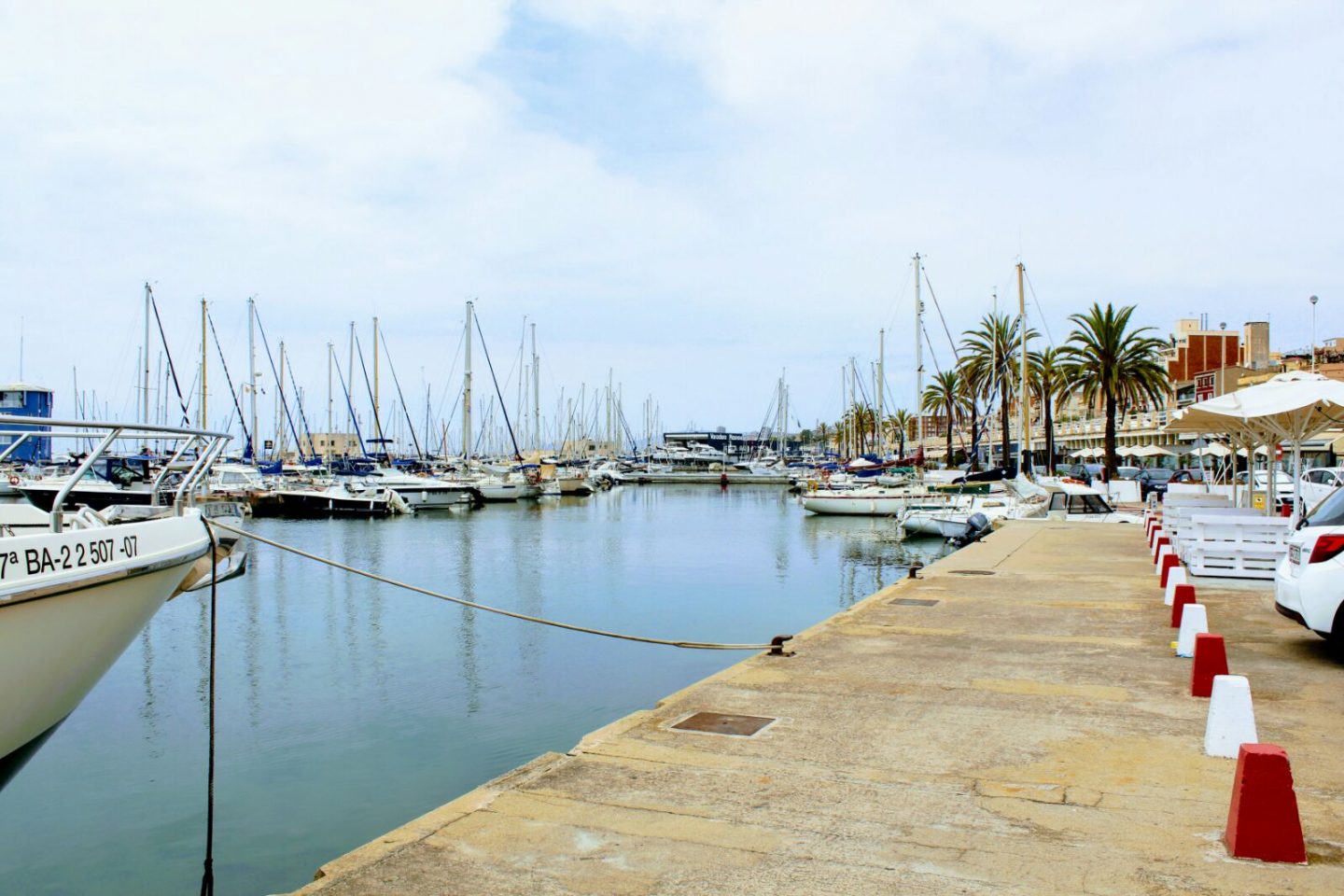
A working seaside town with a marina, a seafront and a proper old centre up the hill behind it — El Masnou was a shipbuilding and seafaring town, and the big captains’ houses on the slope are why the old streets look the way they do.
The beaches run along the front, wide and sandy, with the promenade behind them and the hills behind that.
We spend almost the whole day on the beach and barely go into the town, which is the honest version — the town is pleasant and the beach is the reason we come.
With children
What works:
- The train journey itself. Twenty-five minutes with the sea out of the window is an activity, not a commute
- Space. Children can be children without being in someone’s towel
- Clearer water than the city beaches
- The station is on the beach. No walk at either end with a bag of beach things and a tired child
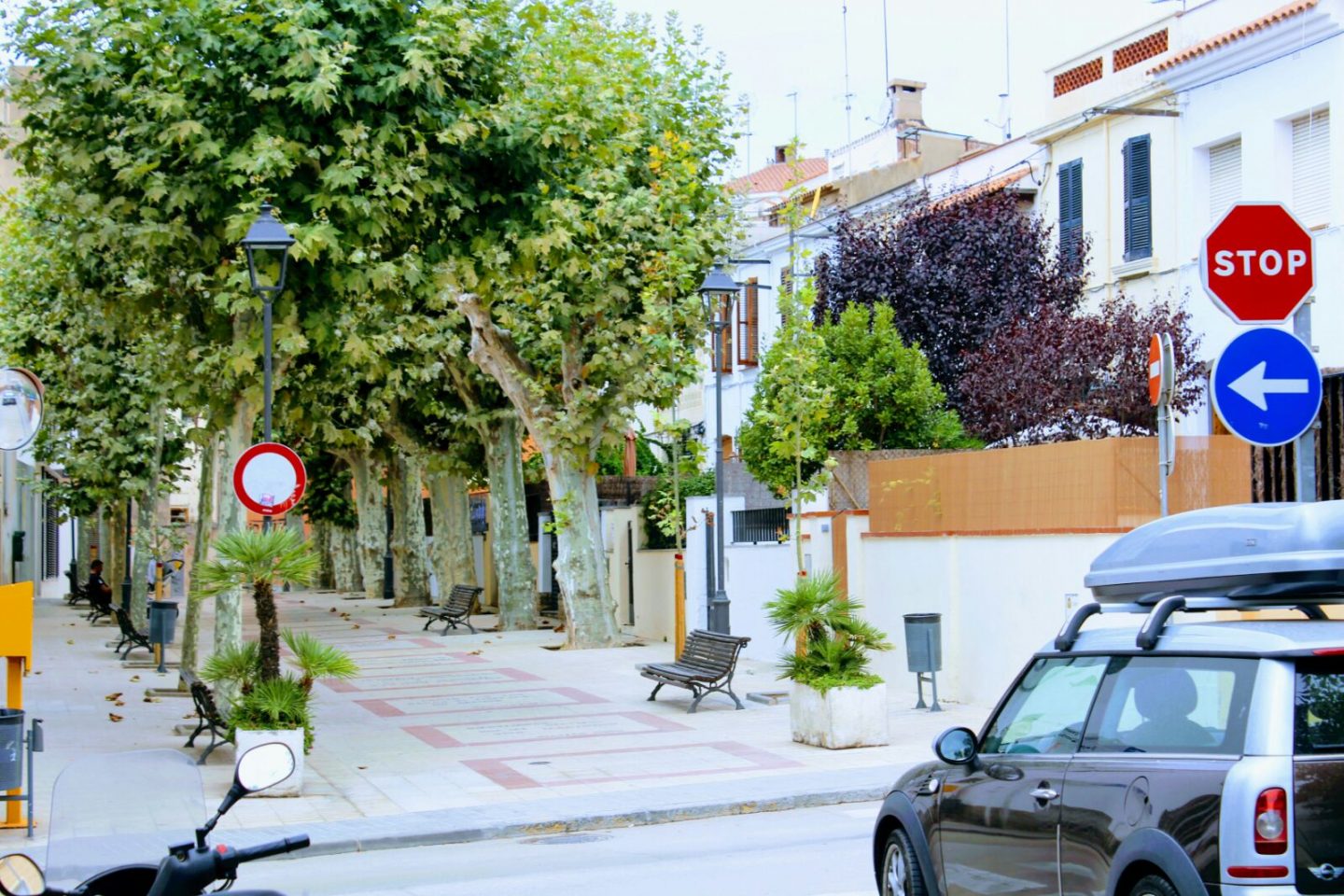
- It’s a town, so there’s a normal shop and a normal café at normal prices, rather than a seafront built for visitors
What to plan for:
- Check the train times back before you settle in. The R1 is frequent but it isn’t a metro
- Fare zones, as above
- Shade is scarce, as on every beach on this coast. Bring a parasol
- Swell. The Maresme coast can pick up more wave than Barceloneta on a windy day — watch the flags
- August weekends are the one time it gets genuinely busy, because everyone in Barcelona has the same idea

Our day, honestly
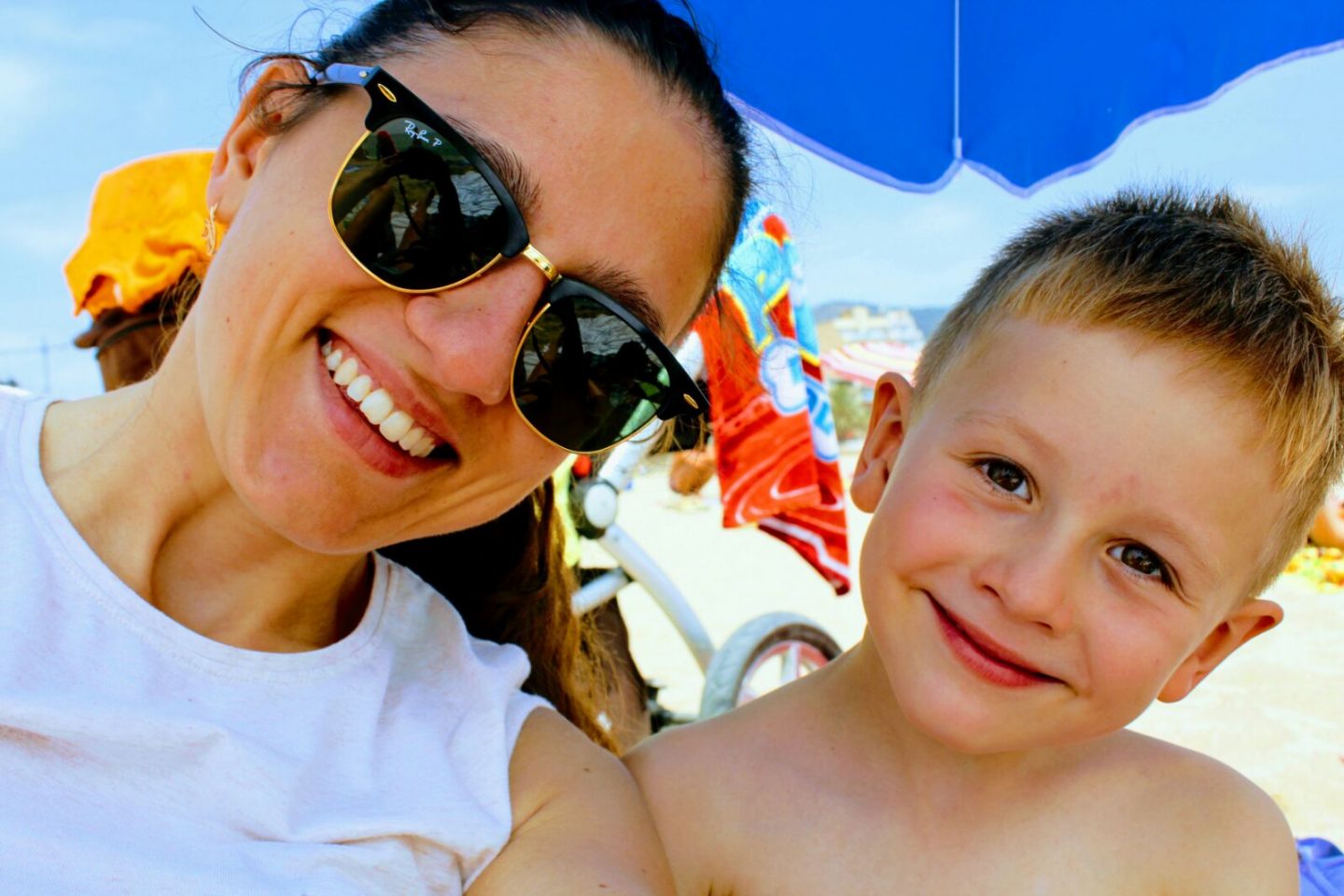
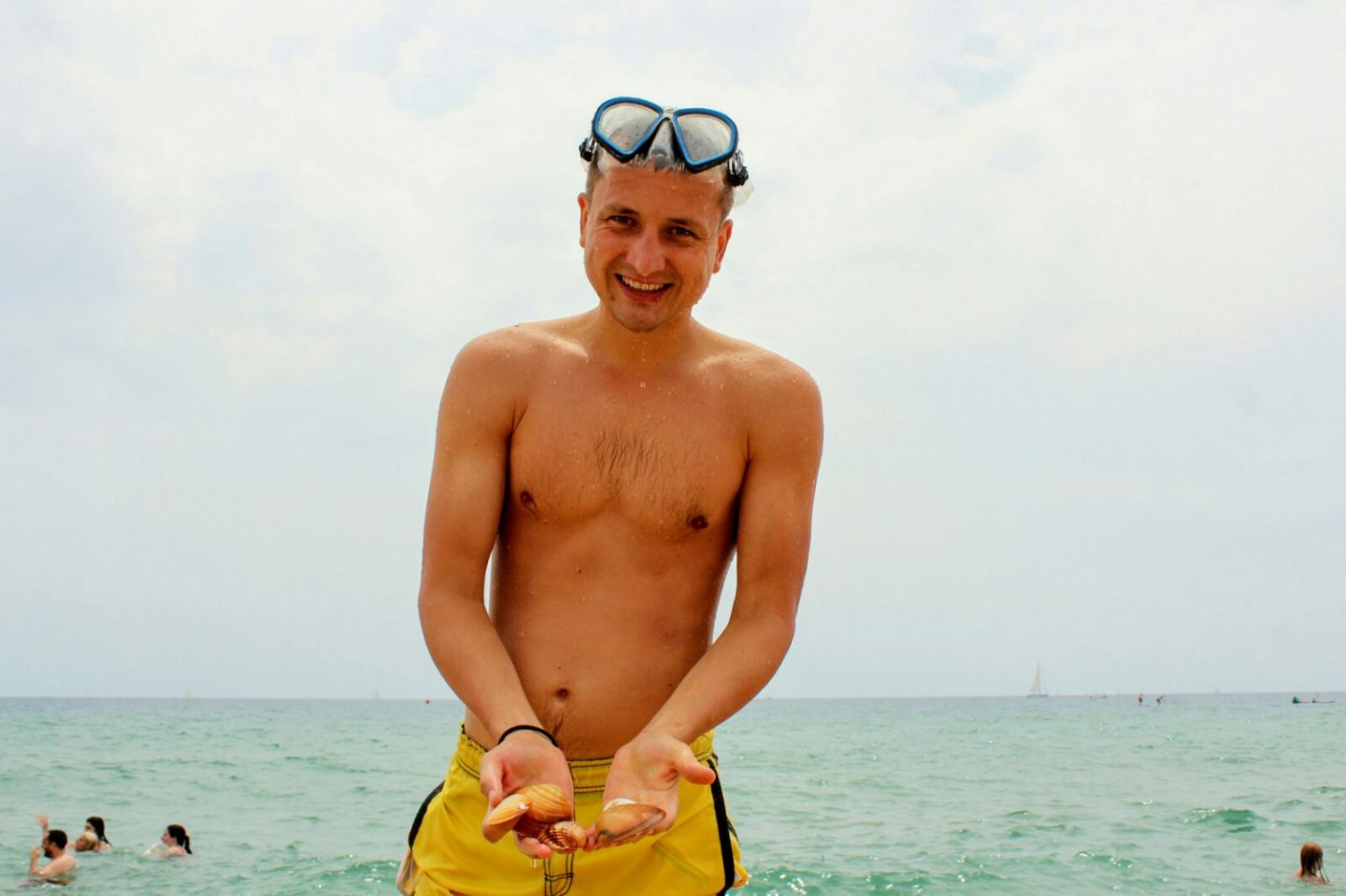
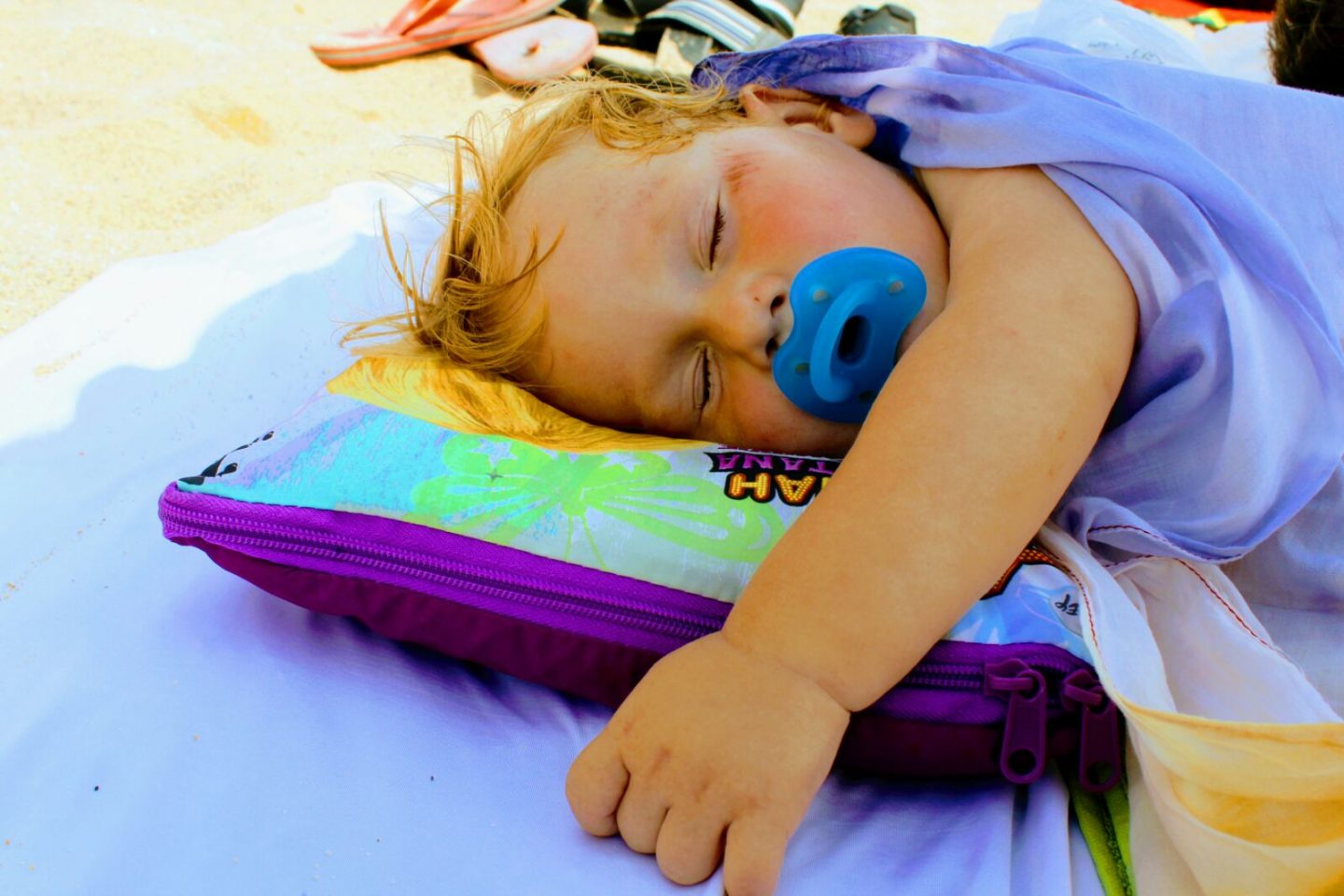
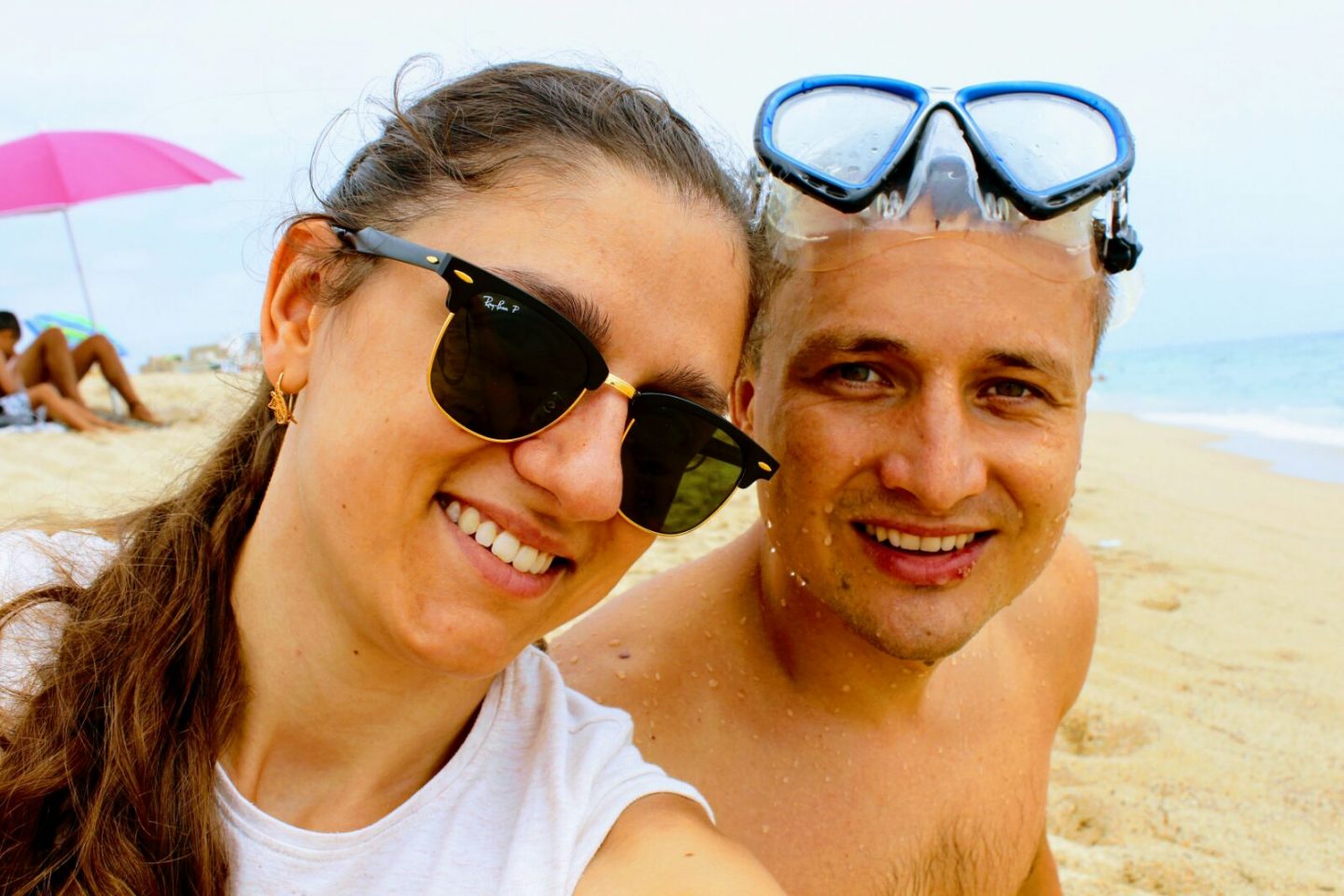
Drive or train up in the morning, before eleven if it’s August. Towels down. The boys swim, dig, disappear for stretches at a time in a way they don’t on a city beach. Something to eat from the town or brought with us. Back on the sand until the light goes.
Total cost: the train, and lunch. It is the cheapest good day we have, and we’ve had more of them here than anywhere else.
If you want to keep going north
El Masnou is the first good stop, not the last. The R1 keeps going and the water keeps improving:
- Ocata — the next stop, a long wide beach with a lot of space, and the one to choose if El Masnou is busy
- Caldes d’Estrac (Caldetes) — small, pretty, with thermal springs
- Mataró — a proper town with a good beach and more to do
- Further still and you’re on the Costa Brava — Pineda de Mar, and beyond that the coves
The principle for this whole coast: the further up the R1 you go, the clearer the water and the fewer the people. El Masnou is the best balance of that against the journey time. Go further if you have a whole day and want it emptier still.
Would we recommend it?
It’s where we go. That’s the recommendation.
If you’re in Barcelona for three days, stay in the city and use Bogatell — you don’t have a day to spend on a train. If you’re here for a week, or you live here, or you’ve had enough of a city beach in August, get on the R1 and go twenty-five minutes north.
You’ll see why the people who live here don’t spend their weekends on Barceloneta.

Frequently asked questions
How do you get to El Masnou from Barcelona?
Take the R1 train from Plaça Catalunya, Arc de Triomf or Clot towards Mataró or Blanes, and get off at El Masnou — about 25 minutes, with the line running along the seafront for most of the way. The station is on the beach itself. By car it is roughly 20 minutes on the C-32 or the N-II coast road.
Is El Masnou beach better than Barcelona’s beaches?
Different rather than better, and for a whole day with children, yes. Barcelona’s beaches are urban beaches backed by a city; El Masnou has a town behind it, noticeably clearer water, more space and no hawkers. It is worth the 25 minutes if you have the day.
Do you need a special ticket for the train to El Masnou?
Yes — El Masnou is outside Barcelona’s central fare zone, so a standard city travel card will not cover the journey. Check how many zones you need before travelling.
Is El Masnou good for children?
Very. The station is on the beach so there is no walk at either end, there is space to play, the water is clearer than in the city, and the train journey along the coast is an activity in itself. Shade is scarce, so bring a parasol, and watch the flags — the Maresme coast can pick up more swell than Barceloneta.
Which beaches are best further up the coast?
Ocata, the next stop after El Masnou, is long and wide with plenty of space. Caldes d’Estrac is small and pretty with thermal springs, and Mataró is a proper town with a good beach. The rule for this coast is that the further up the R1 you go, the clearer the water and the fewer the people.
When is El Masnou busiest?
August weekends, when everyone in Barcelona has the same idea. Go on a weekday, or arrive before eleven, and it is a different beach.
