
Travel isn’t always about relaxing by a pool. Sometimes, it’s about getting dirty and understanding how the world actually works. Real education happens when you leave the classroom and stand in the middle of the subject matter. It is the difference between reading about geology and actually walking across a glacier. You absorb information differently when your boots are muddy or when the humidity is eighty percent.
This list covers five trips where the goal is practical discovery. These are active experiences. From the mountains of East Africa to the frozen north, these places demand attention and effort.
Safari: Conservation in the Virunga Mountains
Rwanda is now the centre of primate conservation, specifically for mountain gorillas. Hiking in Volcanoes National Park is tough work. The ground is often slick with mud, the stinging nettles are high, and the altitude hits your lungs hard. But this physical effort is the price of admission for seeing how endangered species management really functions. You meet the rangers who track these families daily, learning exactly how they protect the animals from poaching threats.
If you want to learn on Rwanda safari holidays, you have to accept that it’s not a zoo. The guides break down the complex family dynamics of the troops you find. Seeing a massive silverback manage his group puts all the biological theory into perspective. It is a lesson in the fragile economics of keeping these animals alive in a region that is densely populated. The reality here is messy, complicated, and completely unlike a textbook.
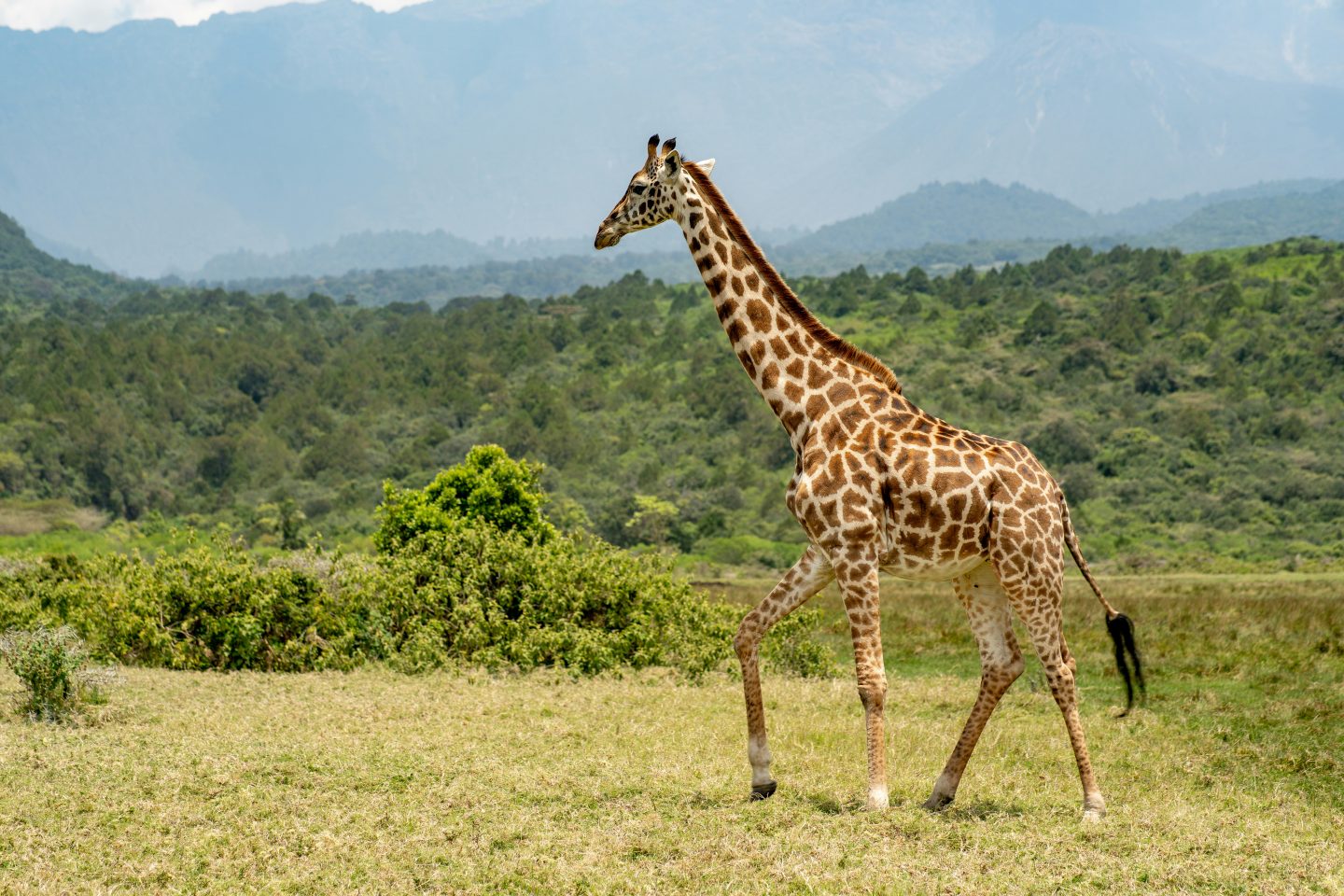
Trekking: Engineering on the Inca Trail
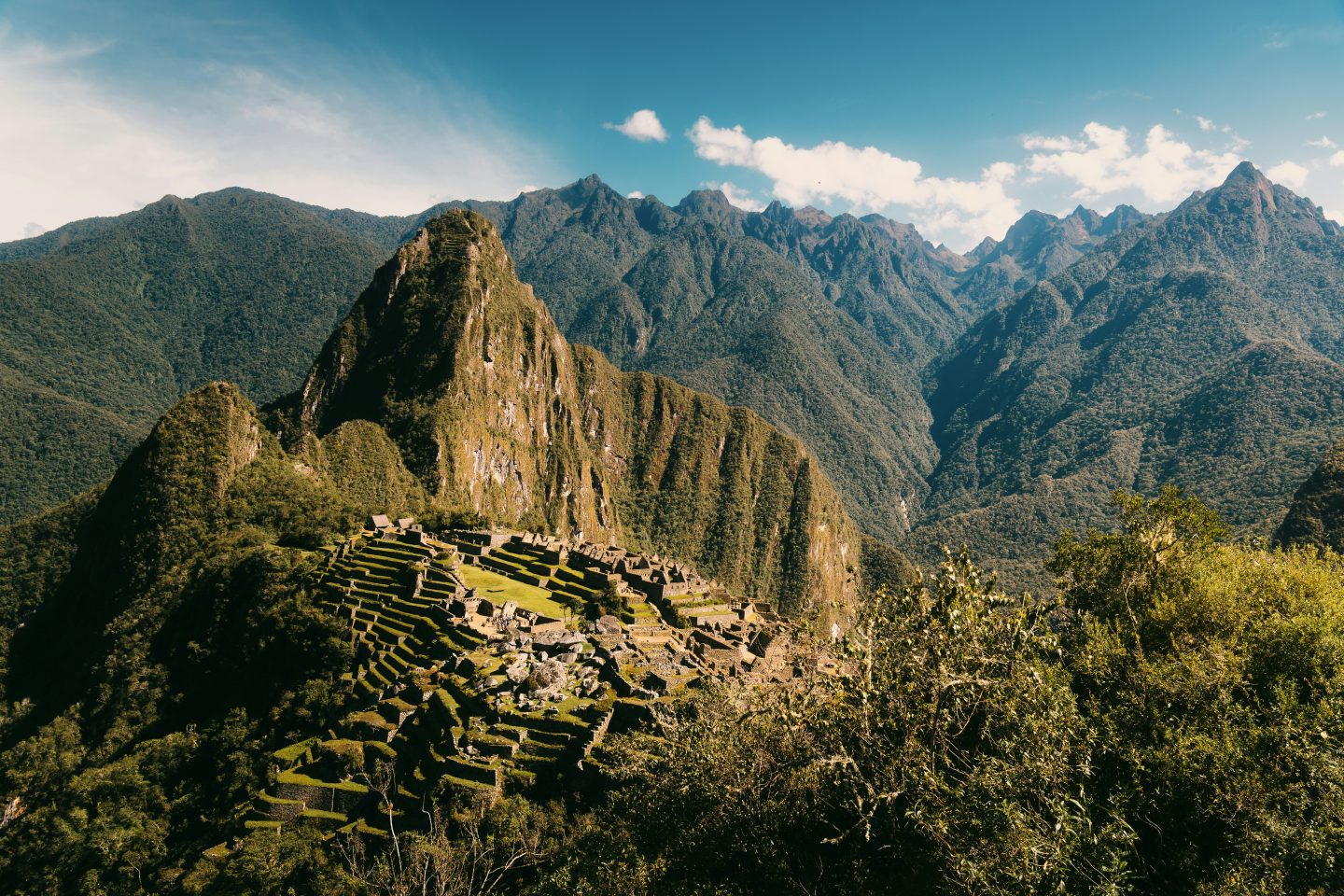
Peru’s Sacred Valley serves as a rigorous lesson in history and engineering. The Inca Trail is not a casual walk; it involves four days of climbing stone steps at altitudes that make breathing difficult. As you hike towards Machu Picchu, you pass agricultural terraces that show exactly how the Incas farmed these vertical slopes. You can see the water channels they cut into the rock, many of which still carry water today. It’s a practical, durable construction.
Your guides discuss the Spanish conquest and the fall of the empire. But the physical act of walking the road explains more than the stories do. You feel the scale of the network they built without wheels or iron tools. By the time you reach the Sun Gate, the effort gives you a proper respect for the porters and the sheer magnitude of the task. It’s history you feel in your legs.
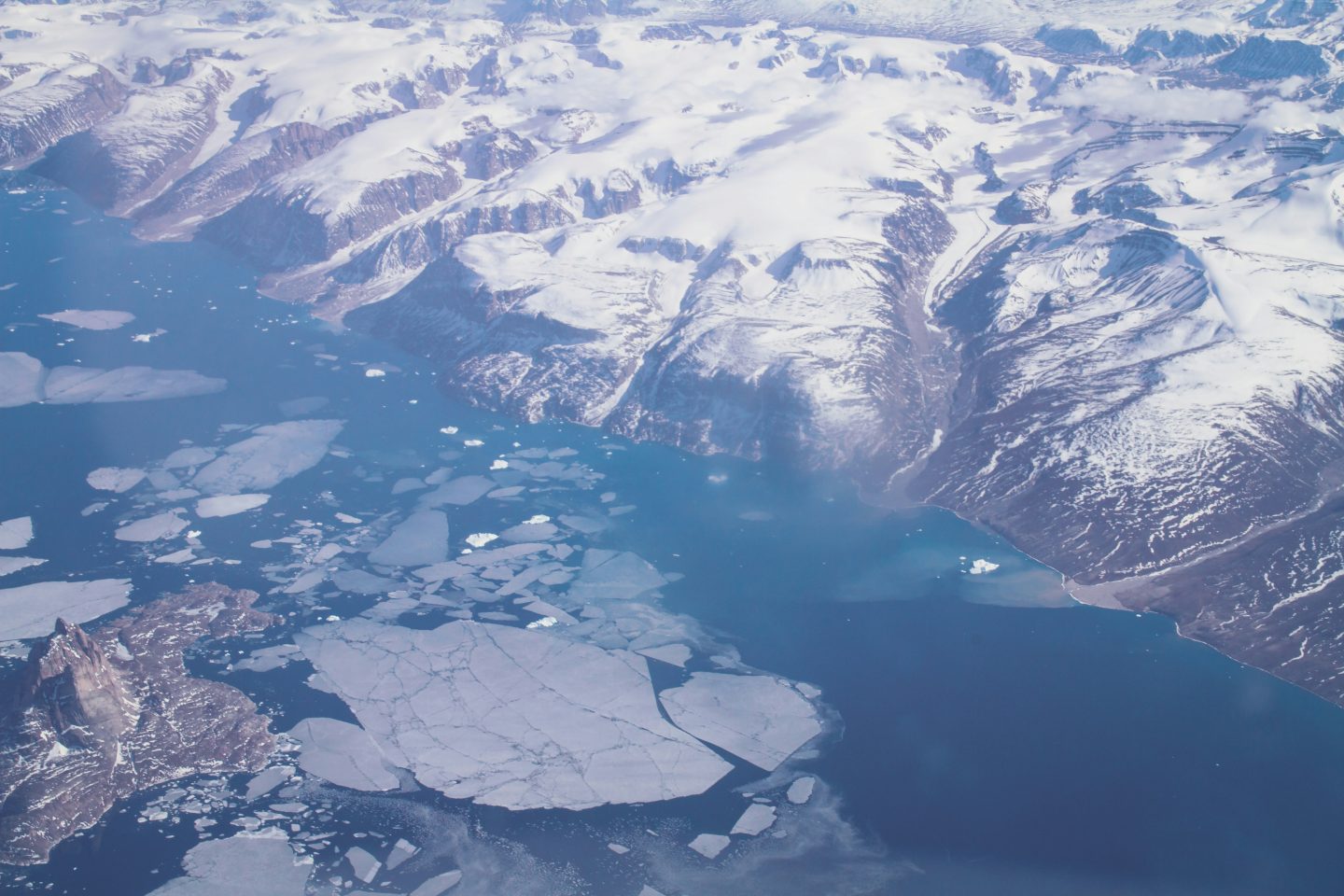
Expedition: Glaciology in the High North
Going north to the Arctic Circle changes your understanding of the climate. These trips usually happen on small ships capable of pushing through the ice in Svalbard or Greenland. It is a cold, stark environment where the geology is completely exposed. You don’t just hear about ice shelves retreating; you watch the glaciers fracture and fall into the water. It is loud and violent. The experts on board, usually biologists or geologists, explain the science behind the weather shifts.
Many travellers find that arctic expeditions are educational simply because the environment is so unforgiving. You spend long hours on deck scanning for polar bears, realising how much space they need to survive. The silence of the pack ice teaches you about isolation. It’s a place where you can see the direct link between ice conditions and the wildlife that relies on them. The lessons here are stark, visual, and immediate.
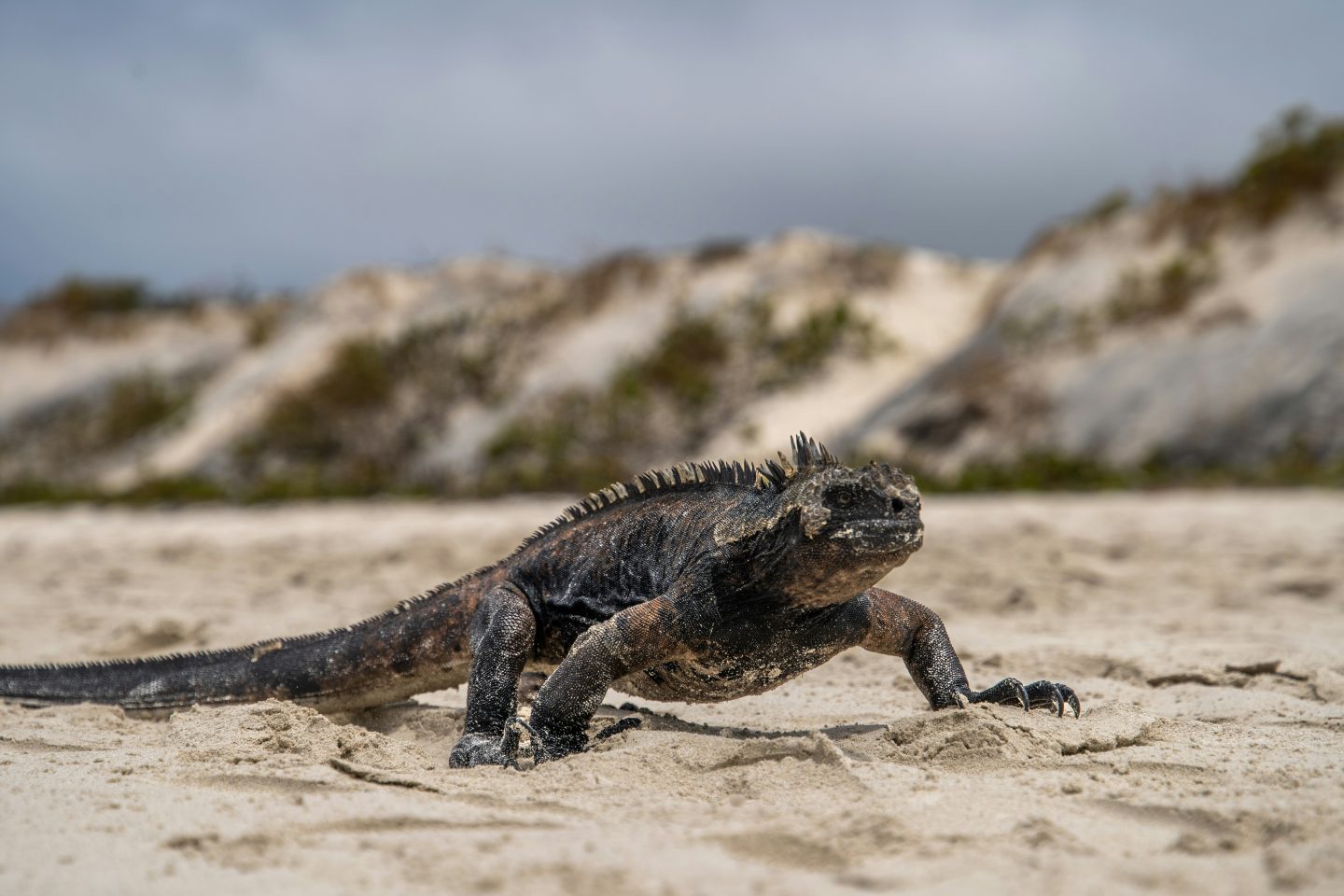
Wildlife Tour: Evolutionary Biology in the Galapagos
The Galapagos Islands act as a living laboratory for evolutionary biology. Because the archipelago is so isolated, the animals developed in unique ways, and they have no instinctive fear of humans. You can stand feet away from a blue-footed booby or swim next to a penguin near the equator. It allows for observation that is impossible elsewhere. You aren’t squinting through binoculars; you are right there in the habitat.
Small boats take you between the islands, each of which has a different landscape and slightly different species. Naturalists explain why a tortoise on one island has a saddleback shell while one on the next island doesn’t. It is a clear, visible demonstration of adaptation. The strict rules keep the human impact low, so the ecosystem functions as it should. It’s a rare chance to see nature working exactly as Darwin described it, without the usual interference of modern life.
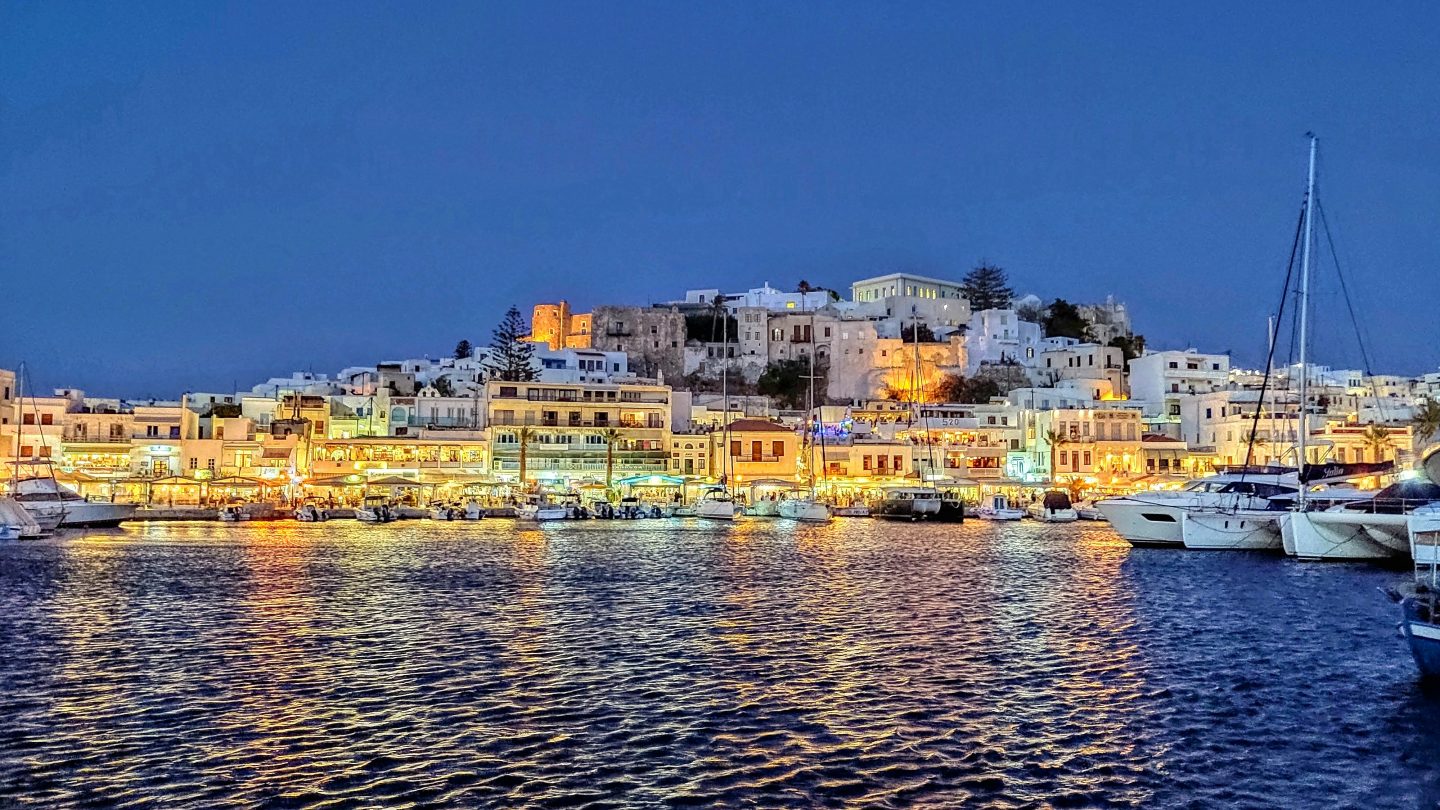
Beach: Ancient History in the Cyclades
The Cyclades are famous for beaches, but they are also a massive hub for ancient history. The island of Delos is the key stop here. It’s a UNESCO site and a massive archaeological ruin that you can only reach by boat. It used to be a major trade centre. Walking through the remains of the markets and temples gives you a very clear sense of how people lived in the ancient Mediterranean. It’s dry, dusty, and incredibly impressive.
You head back to the main island after the tour. When you’re choosing the best places to stay in Mykonos, try to find a spot near the old port to make these boat trips easier. The town itself is a lesson in traditional design. The narrow, winding streets were built that way to confuse pirates and block the wind. It is a smart chance to mix serious historical study with the logistics of island living.
Ready to swap the textbook for the trail?
Educational adventure holidays bridge the gap between reading about a place and actually understanding it. They require you to be present, observant, and willing to put in some physical effort. Whether you are tracking primates in a rainforest or studying ancient masonry in the Andes, the experience stays with you. It changes how you view global challenges and historical events.
These trips are an investment in your perspective. They remind you that the world is vast and complicated. By choosing a holiday that prioritises learning, you return home with grounded, first-hand knowledge. It is simply the best way to make your travel count.
