
CosmoCaixa Barcelona: The Best-Value Day Out We Know Here
There is an Amazon rainforest inside a building in the hills above Barcelona. It has caimans in it, and piranhas, and it rains on you.
Adults pay €8 to see it. Everyone under 16 gets in free.
We’ve been to CosmoCaixa several times — it’s the place we go back to, which is not something I say about many museums — and it is, by a distance, the best value family day out in this city. Here’s how to do it.

What it costs
| Ticket | Price |
|---|---|
| Adult | €8.00 |
| Under 16 | Free |
| CaixaBank customers | Free |
| Planetarium session (separate) | €4–6 |
A family of two adults and two children under 16 pays €16. That is the entire cost of the day.
Put that next to the rest of Barcelona and it stops looking like a museum ticket and starts looking like a mistake in your favour:
| Attraction | Family of four (kids 7 and 12) |
|---|---|
| CosmoCaixa | €16 |
| Museu Blau | €12 |
| Barcelona Aquarium | €109 |
| Big Fun Museum | €100 at the door |
If you’re an existing CaixaBank customer, entry is free for you too — worth checking, because a surprising number of people living in Spain are and don’t think to ask.
The Flooded Forest — the reason to come
A thousand square metres of living Amazon rainforest, indoors, two floors deep. You walk through it at ground level and then go down and see the same water from underneath through glass.
There are caimans. There are piranhas. There are anacondas and tropical fish and birds and enormous trees, and the humidity hits you the moment you step through the doors. Every so often it rains inside, properly, and the whole thing is built so that you’re in it rather than looking at it through a window.
This is what children remember. Everything else in the building is good; this is the bit they’ll describe to their grandparents.
Tip: do it first, before anyone is tired. And do the underwater level — a lot of people miss it, and seeing the caimans from below the waterline is better than seeing them from above it.

What else is in there
Sala Univers
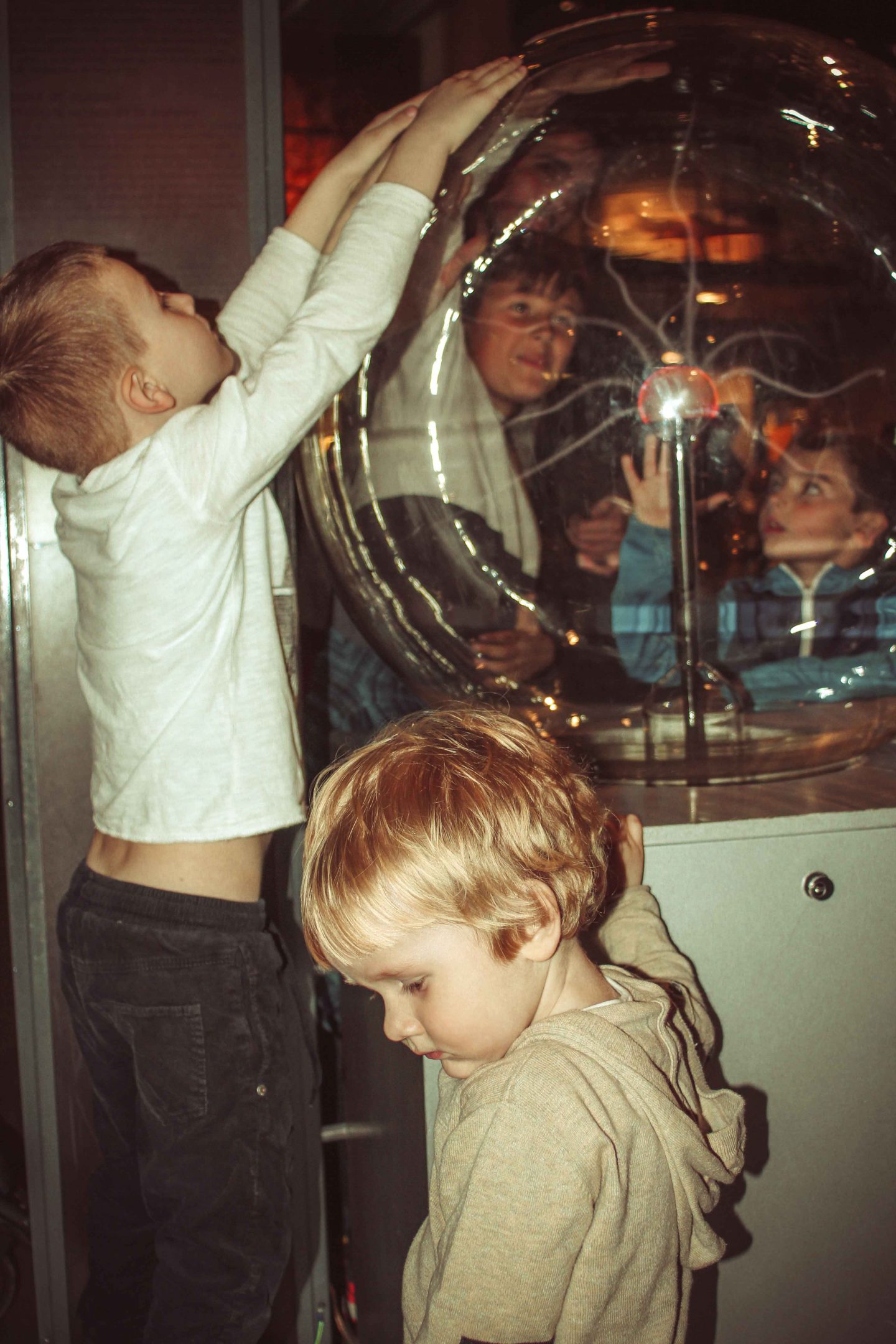
The main interactive hall — physics, evolution, neuroscience, the lot, all hands-on. The centrepiece is a **real woolly mammoth fossil, six metres long and three and a half metres tall**, which does the job that a good museum object should do: it stops a child in their tracks with no explanation needed.
The Geological Wall
Seven enormous blocks of real rock, cut so you can see how each one formed. It sounds dry and it isn’t — at that scale, rock stops being background and becomes an object. Adults tend to like this more than children, which is fine, because the children will already be running towards the next thing.
The Planetarium
A digital dome, ticketed separately at €4–6 per person. There are sessions aimed at younger children as well as general ones.
Worth it? If your child is into space, yes, and check the session times when you arrive because they’re fixed and you want to plan around them rather than discover you’ve missed the one you wanted. If you’re just adding it because it’s there, the free parts of the museum are better value for the same hour.
The workshops
CosmoCaixa runs regular workshops split by age — roughly 3 to 6 and 7 to 9. We’ve done these more than once and they’re genuinely good: small groups, proper hands-on activity, run by people who know how to talk to children.
Check the schedule when you book — they’re the thing most worth planning your visit around, and they’re the reason we go back.
How long you need
Three to four hours is realistic, and you could fill a day.
That’s unusual for Barcelona, where most attractions are a 90-minute stop. CosmoCaixa is one of the few places here that genuinely absorbs a whole morning or afternoon, which — combined with the price — makes it the strongest rainy-day option in the city.
Our full list of what to do in Barcelona when it rains.
Getting there
Carrer d’Isaac Newton 26, in Sarrià-Sant Gervasi — up in the hills at the foot of Tibidabo, well out of the tourist centre.
- FGC L7 to Avinguda Tibidabo, then a 10–15 minute walk uphill
- Buses 60, 123 and 196 stop closest to the entrance — these are the ones to take with small children or a pushchair
The uphill walk from the FGC is the one thing to plan for. It’s not long, but it is a climb, and doing it at the end of a four-hour museum visit with a tired seven-year-old is a different proposition from doing it at the start. Take the bus back down if nothing else.
Which travel ticket covers the FGC and the buses.
Opening hours
- Monday to Sunday, 10:00–20:00
- Closes early at 18:00 on 24 and 31 December and 5 January
- Closed 25 December, 1 January and 6 January
Open seven days a week is rare in Barcelona — most museums shut on Mondays, which makes this the answer to “what’s open on a Monday”.
Doing it with children — what we’ve learned
- Flooded Forest first. Peak energy, best exhibit.
- Check the workshop and planetarium times on arrival and build the visit around them rather than stumbling into them.
- It’s warm in the forest. Layers you can take off.
- Take the bus up the hill if anyone is small.
- There’s a café, but this is a museum on a hill rather than in a neighbourhood — bring snacks if your children eat on a schedule.
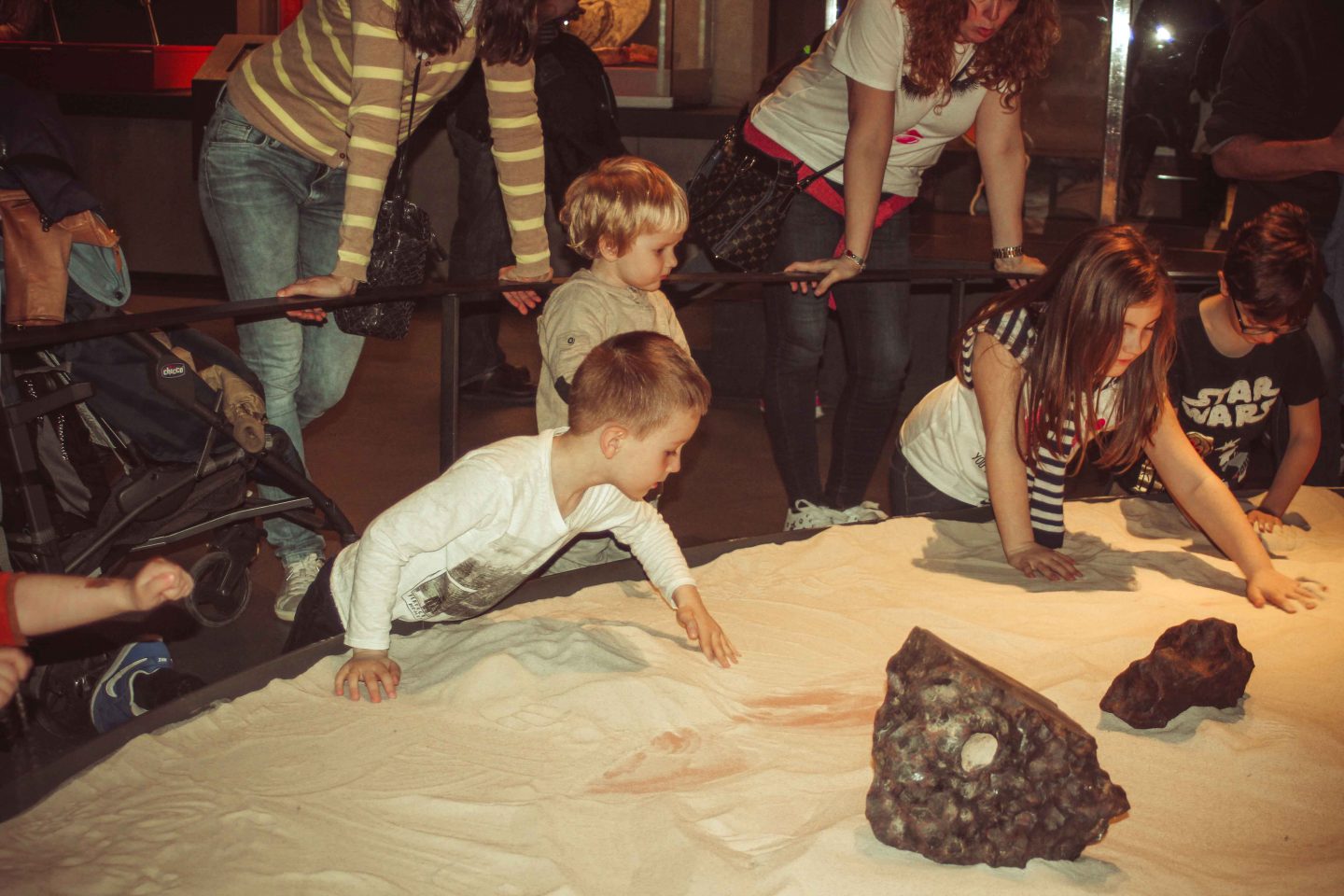
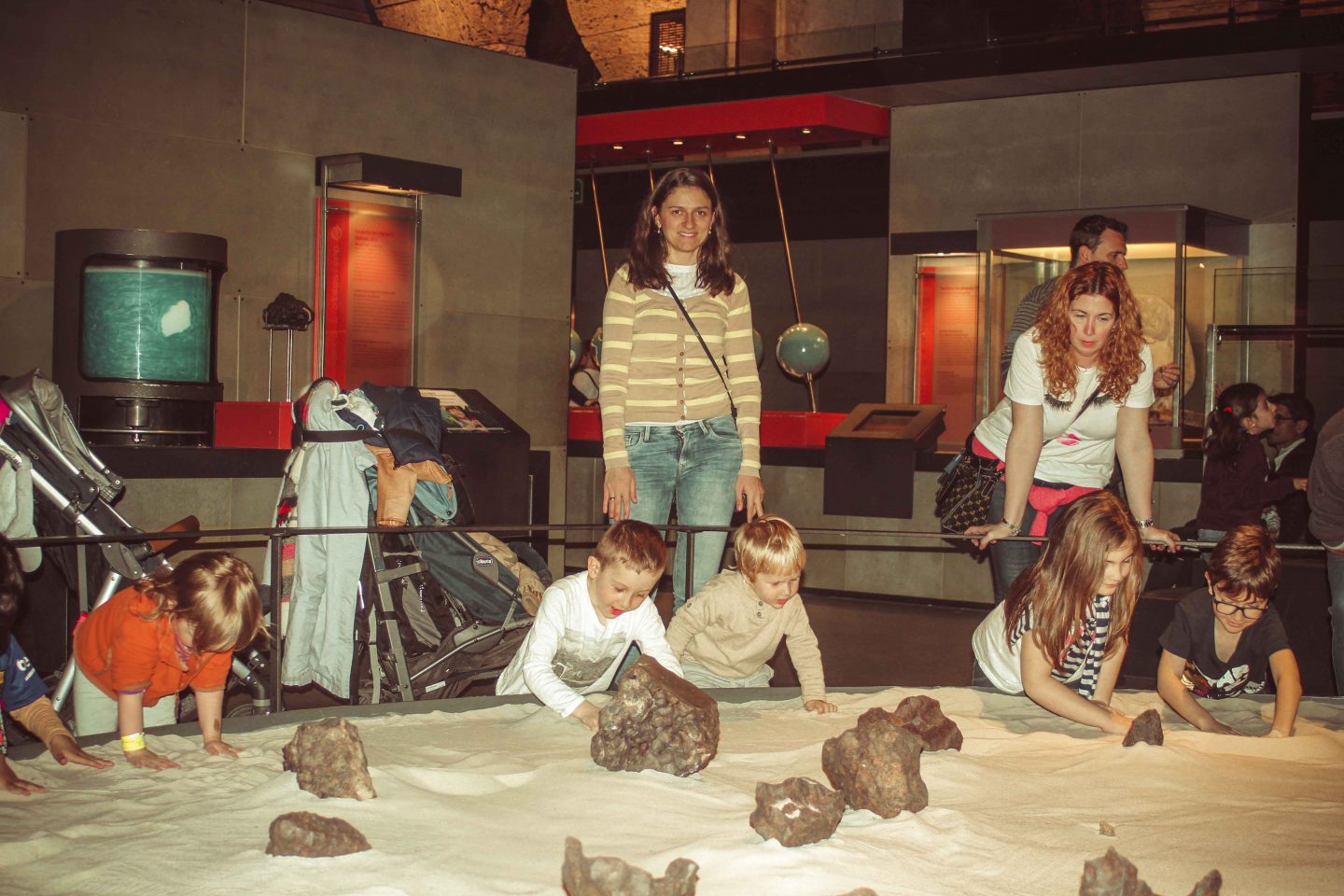
- It’s genuinely for all ages. The under-6 areas and the neuroscience hall work for different children at the same time, which is rare and very useful if yours are far apart in age.
Is it worth it?
It’s €8 and free for your children. The question isn’t really whether it’s worth it — it’s why more visiting families don’t go.
The answer is location. CosmoCaixa is up in the hills, away from the Gaudí trail and the old city, so it doesn’t appear on the ten-things-to-do lists that visitors work from. It’s a museum that locals use and tourists miss.
If you’re in Barcelona for three days and doing the highlights, you may not get here. If you’re here for a week, if you have a rainy day, if you have a child who asks how things work — go. It’ll be the cheapest and possibly the best day of your trip.
Frequently asked questions
How much is CosmoCaixa Barcelona?
€8.00 for adults and free for everyone under 16, so a family of two adults and two children pays €16. CaixaBank customers also enter free. Planetarium sessions are ticketed separately at €4–6 per person.
What is there to see at CosmoCaixa?
The Flooded Forest, a 1,000 m² living Amazon rainforest with caimans, piranhas and anacondas that you walk through and then view from underwater; the Sala Univers interactive hall with a six-metre woolly mammoth fossil; the Geological Wall of seven huge rock blocks; and a digital planetarium.
How long do you need at CosmoCaixa?
Three to four hours is realistic and you could fill a day. That is unusual in Barcelona, where most attractions take about 90 minutes, and it is why CosmoCaixa is the strongest rainy-day option in the city.
How do you get to CosmoCaixa?
It is at Carrer d’Isaac Newton 26 in Sarrià-Sant Gervasi. Take FGC line L7 to Avinguda Tibidabo, then a 10–15 minute uphill walk, or buses 60, 123 or 196, which stop closest to the entrance and are the better choice with small children.
Is CosmoCaixa good for young children?
Yes. It runs regular hands-on workshops split by age, roughly 3 to 6 and 7 to 9, and the exhibits work for a wide age range at once — which is useful if your children are far apart in age. Check the workshop schedule when you arrive and plan the visit around it.
When is CosmoCaixa open?
Monday to Sunday, 10:00 to 20:00. It closes early at 18:00 on 24 and 31 December and 5 January, and is closed on 25 December, 1 January and 6 January. Being open seven days makes it one of the few Barcelona museums available on a Monday.

Thank you guys, we really appreciate your commitment
Author
your comment really matters to us, thank you for finding time to write it
Looks like education, fun and family bonding for all.
Author
yeah, it is all about education and science, very interactive