
We bought four Japan Rail Passes in Barcelona, paid over €1,000 for them, and used them across a 19-day trip through Tokyo, Nikko, Osaka, Nara, Kyoto, Uji and Kurashiki. So this is not a theoretical answer.
The short version: it was worth it for us, but only because of one decision — we didn’t activate the pass on the day we landed. That single choice is what makes a JR Pass work or waste money for most families.
The short version
- Prices rise on 1 October 2026. A 14-day adult pass goes from ¥80,000 to ¥84,000; a child pass from ¥40,000 to ¥42,000. Buying before the date locks the old price.
- Family of four, 14 days: ¥240,000 now, ¥252,000 from October.
- It’s worth it if you’re doing at least Tokyo–Kyoto–Osaka plus day trips, and travelling long distances more than a couple of times.
- It’s not worth it if you’re staying mostly in one city — it covers almost nothing of what you’ll actually use there.
- Don’t activate on arrival. Do your city days first, then start the pass when you begin moving between cities.
Where to stay in Tokyo with kids
The B Ochanomizu – our base for four nights with a 10- and a 7-year-old. On the JR Chuo–Sobu line, quiet at night and quick to leave in the morning.
Mimaru Tokyo Ueno East – apartment-style rooms with a kitchen and separate living area, near Ueno park and the museums. Solves the real Tokyo problem: a standard room for four is very small.
Grand Hyatt Tokyo, Roppongi – spacious suites, several restaurants and an indoor pool, which after three days of walking Tokyo in the heat is the facility that earns its money.
We stayed at The B Ochanomizu. The other two are the ones we’d book, chosen on room capacity and location rather than from a stay of our own. Affiliate links — we may earn a small commission at no extra cost to you.

What it costs, and what changes on 1 October 2026
Prices for the ordinary-class pass, bought through overseas agencies:
| Pass | Adult, to 30 Sep 2026 | Adult, from 1 Oct | Child (6–11), to 30 Sep | Child, from 1 Oct |
|---|---|---|---|---|
| 7 days | ¥50,000 | ¥53,000 | ¥25,000 | ¥27,000 |
| 14 days | ¥80,000 | ¥84,000 | ¥40,000 | ¥42,000 |
| 21 days | ¥100,000 | ¥105,000 | ¥50,000 | ¥53,000 |
Children under six travel free if they don’t need their own seat. Green Car passes cost more and, for a family, are almost never worth the difference.
If you’re already planning a trip, buying before 1 October fixes the current price — the rate is set when the exchange order is issued, not when you travel. The catch is that the exchange order has to be redeemed for the actual pass within three months, so this works if you’re travelling before roughly the end of the year, and not if you’re planning for next spring.
Prices checked against the official Japan Rail Pass site in September 2026.
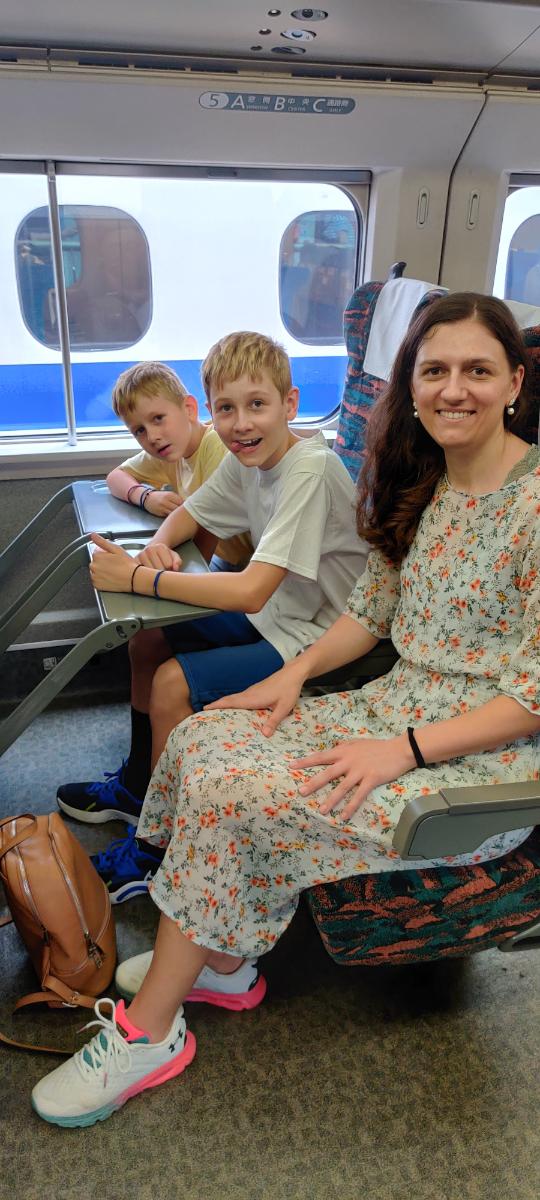

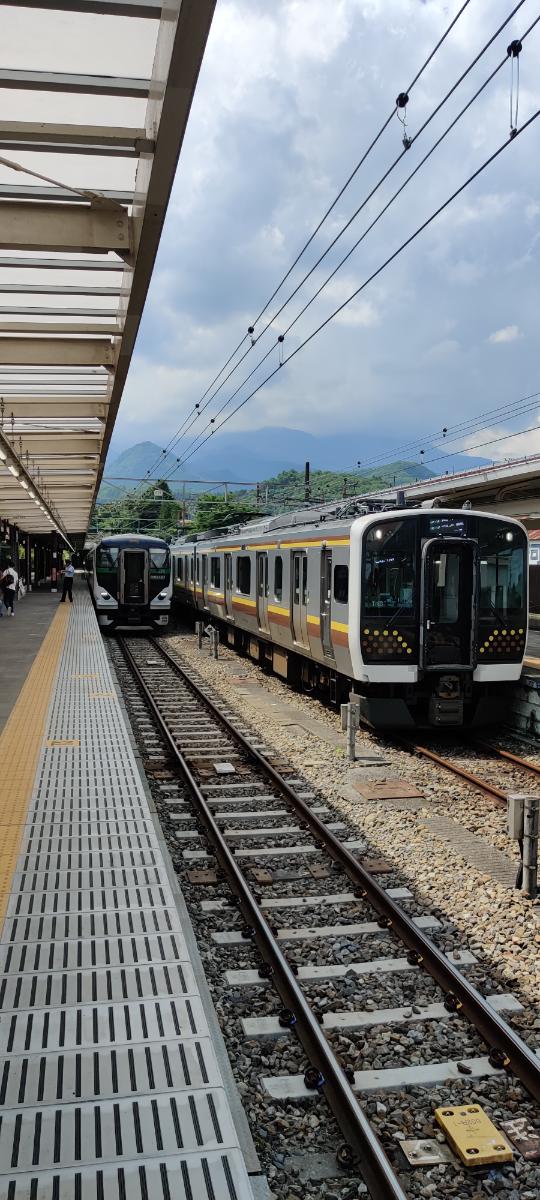
The decision that actually matters: when to activate
This is the part I’d underline.
We had 19 days in Japan. The obvious move is to buy a 21-day pass and cover the whole trip. We didn’t — we spent our first stretch in Tokyo without a pass at all, then activated for the rest.
Here’s why that works. The JR Pass covers almost nothing you use inside a city. Not the Tokyo Metro. Not the Kyoto city buses. Not the Osaka Metro. In Tokyo you’ll use the metro constantly and the pass sits in your bag doing nothing except the Yamanote line.
So the pass earns its money on the days you move between cities and out on day trips. Front-load your city days, activate the pass when you start travelling, and you can often drop a whole pass length — which on a family of four is the difference between a 14-day and a 21-day pass, or several hundred euros.
Work out which of your days involve long-distance JR travel, and buy for those days rather than for the length of your holiday.
When the JR Pass is worth it
Yes, if:
- You’re doing Tokyo, Kyoto and Osaka as a minimum, with day trips out of them.
- You’re making several long Shinkansen journeys, not one or two.
- You want to be able to change plans without pricing every journey.
No, if:
- You’re spending most of the trip in one city. City transport isn’t covered, so the pass does almost nothing.
- You’re only doing one return trip between two cities — price those tickets individually first.
- You’re staying in one region. Regional passes (Kansai, JR East, JR West) are much cheaper and may cover everything you actually need.
The honest test: list your long-distance journeys, price them individually, and compare that number to the pass. If it’s close, the pass usually wins anyway on flexibility. If individual tickets are clearly cheaper, buy tickets.
What it doesn’t cover
The three things that catch families out:
- City transport. Tokyo Metro, Osaka Metro, Kyoto buses — all separate. Get IC cards (Suica, Pasmo or ICOCA) as well as the pass.
- The fastest Shinkansen services. The pass isn’t valid on Nozomi and Mizuho trains on the Tokaido and Sanyo lines; you take the slightly slower Hikari and Sakura services instead. In practice this costs you minutes, not hours, but it does mean you can’t just board any train.
- Private railways. Several useful lines in Kansai aren’t JR at all.
Buying it: what actually happens
We bought ours from Barcelona before flying. You give name, surname, passport details and the length of your stay, and an exchange order arrives — ours came within 48 hours. You then swap that for the physical pass at a JR office in Japan, choosing your activation date at that point.
Buy at least a couple of weeks before you fly, so a delivery problem isn’t a crisis.
What happens if your pass gets damaged
This is the part I wish I’d read before we went.
On our last train into Kyoto, my pass got caught in the ticket gate machine. There was no member of staff at the gate initially; we had to call for someone. They got it out, but it no longer worked in the machines afterwards.
What we did for the rest of the trip: showed it to the staff at the manned gate every time and were waved through. It worked, every time, without argument. It’s slower and it’s a small stress you don’t want, but the trip was not derailed.
What’s worth knowing: a lost or damaged pass is not replaced. If it’s gone, it’s gone, and you buy tickets for the rest of your trip. So treat it like cash — and if it stops working in the machines, use the manned gate rather than forcing it.
What we’d do again
- Buy the pass, for a multi-city trip. It paid for itself.
- Activate late, not on arrival. This is the whole game.
- Buy IC cards on day one as well, and stop expecting the pass to do city travel.
- Use the manned gates from the start with children — the machines are a pinch point and that’s where ours got caught.
Where we went on ours
Tokyo, Nikko, Osaka, Nara, Kyoto, Uji, Kurashiki and Universal Studios — all reachable on JR, which is why the pass made sense for this particular trip.
- 4 Days in Tokyo with Kids
- Nikko day trip from Tokyo
- Osaka with kids — 2-day itinerary
- Nara day trip from Osaka
- 4 Days in Kyoto with Kids
- One day in Uji
- Kurashiki with kids
- Japan with kids — our full 19-day trip
Buying before 1 October fixes the current price. Check availability and delivery times — the exchange order needs to reach you before you fly.
This page contains affiliate links. If you buy through them we may earn a small commission at no extra cost to you. We bought our own passes and paid full price.
Frequently asked questions about the JR Pass
How much does the JR Pass cost in 2026?
Until 30 September 2026 an ordinary-class adult pass costs ¥50,000 for 7 days, ¥80,000 for 14 days and ¥100,000 for 21 days, with children aged 6 to 11 at half price. From 1 October 2026 those rise to ¥53,000, ¥84,000 and ¥105,000 for adults, and ¥27,000, ¥42,000 and ¥53,000 for children, for purchases through overseas agencies.
Is the JR Pass worth it for a family?
It is worth it if you are travelling between several cities — Tokyo, Kyoto and Osaka as a minimum — and making day trips out of them. It is not worth it if you are staying largely in one city, because the pass does not cover the Tokyo Metro, the Osaka Metro or Kyoto’s city buses. List your long-distance journeys, price them individually, and compare.
When should you activate the JR Pass?
Not on the day you arrive. The pass covers almost nothing you use inside a city, so spend your city days first and start the pass when you begin travelling between cities. On a 19-day trip this let us use a shorter pass than the length of the holiday, which on a family of four is a significant saving.
Does the JR Pass cover the metro in Tokyo and Osaka?
No. The Japan Rail Pass covers JR lines only, so the Tokyo Metro, the Toei subway, the Osaka Metro and Kyoto’s city buses are all separate. Get IC cards such as Suica, Pasmo or ICOCA for city travel and budget for it on top of the pass.
Can you use the JR Pass on the Nozomi Shinkansen?
No. The pass is not valid on Nozomi and Mizuho services on the Tokaido and Sanyo Shinkansen lines. You take the Hikari or Sakura services instead, which are only slightly slower on most routes but do mean you cannot simply board the next train that arrives.
What happens if your JR Pass is damaged or lost?
It is not replaced. Ours was caught in a ticket gate machine on the way into Kyoto and stopped working in the machines afterwards; we showed it to staff at the manned gates for the rest of the trip and were waved through every time. Treat the pass like cash, and if it stops reading, use the staffed gate rather than forcing it.
When should you buy the JR Pass?
At least two weeks before you fly, so that a delivery problem is not a crisis. Ours arrived within 48 hours of ordering from Barcelona. If you are travelling within the next three months, buying before 1 October 2026 fixes the current price, because the rate is set when the exchange order is issued rather than when you travel.
It all started when I bought our JR Passes in Barcelona, paying over 1k EUR for 4 passes (2 adults + 2 kids). After reading numerous reviews about people not receiving their passes on time or facing issues, I was anxious. When purchasing a JR Pass, you provide details like name, surname, passport data, and your stay duration in Japan.

Your style is so unique compared to other people I have read
stuff from. Thank you for posting when you have the opportunity, Guess I will just book mark this blog.
Author
Thank you so much!