
You are on the booking page with two rates side by side. One says Half Board. The other says All Inclusive. There are a few hundred euros between them for the week, and you have no real idea whether that money buys you dinner, drinks, or nothing you were not already going to get.
I have worked in hotels for fourteen years. I have seen how those two rates get built, what the contract actually obliges the hotel to give you, and — more usefully — where the money quietly leaks back out at reception on day three. I have also booked all of them for my own family, which turns out to be a completely different exercise from selling them.
This is the version I would give a friend. Every plan, what is genuinely included, what is not, and how to work out which one is worth it for your trip rather than in general.
The short answer: which hotel meal plan should you book?
Quick verdict — the 30-second version
- Room Only or B&B if you are in a city, or if eating out is part of why you came. You will eat better and usually spend less.
- Half Board is the safest default for a beach hotel. Breakfast and dinner covered, lunch left free so you can leave the property without wasting money.
- Full Board only makes sense when there is genuinely nowhere else to eat — remote resorts, islands, ski hotels, cruises.
- All-Inclusive wins when you will actually stay on site and your adults will drink more than two or three paid drinks a day. It loses badly if you plan day trips.
- Self-catering is almost always the cheapest option for families with small children, and the only one that solves dietary restrictions properly.
The single biggest mistake is buying a plan for the holiday you imagine, not the one you will actually have. Nobody eats five meals a day. Hotels know this. It is why all-inclusive is profitable.

Hotel meal plans compared at a glance
| Plan | Code | Breakfast | Lunch | Dinner | Drinks | Typical hotel type |
|---|---|---|---|---|---|---|
| Room Only | RO / EP | ✗ | ✗ | ✗ | ✗ | City hotels, budget, business |
| Self-Catering | SC | ✗ | ✗ | ✗ | ✗ | Apartments, aparthotels |
| Bed & Breakfast | BB / CP | ✓ | ✗ | ✗ | ✗ | City hotels, boutiques, guesthouses |
| Half Board | HB / MAP | ✓ | ✗ | ✓ | Usually ✗ | Beach hotels, resorts, aparthotels |
| Full Board | FB / AP | ✓ | ✓ | ✓ | Usually ✗ | Remote resorts, ski hotels, cruises |
| All-Inclusive | AI | ✓ | ✓ | ✓ | ✓ (local brands) | Beach resorts |
| Ultra All-Inclusive | UAI | ✓ | ✓ | ✓ | ✓ (premium) | Luxury resorts |
Two things this table cannot show you, and they are the two that cost people money: tourist tax is never included in any of these, and “drinks included” almost never means all drinks. Both are covered below.
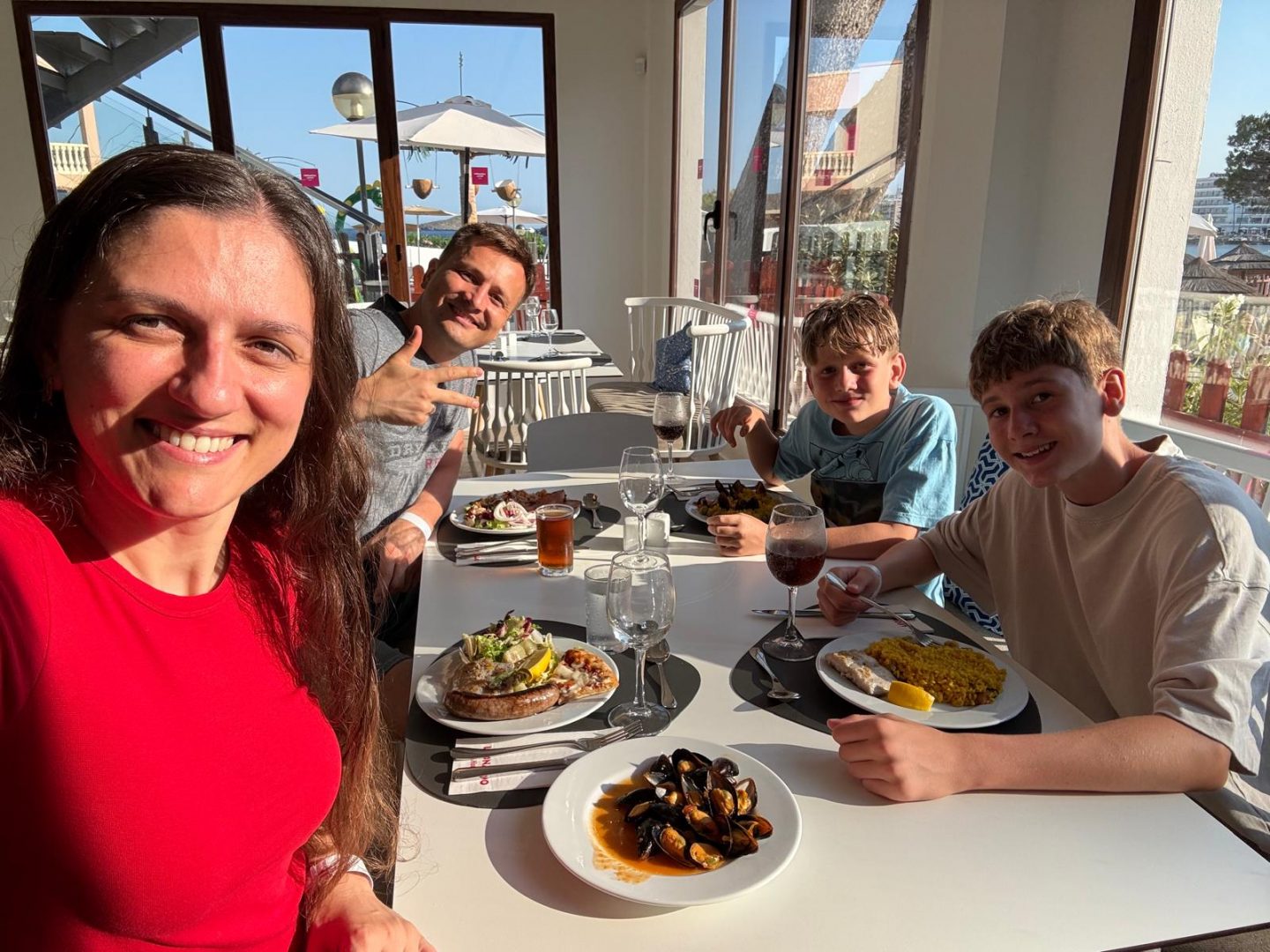
What each hotel meal plan includes — and what it doesn’t
Room Only (RO / EP)
Included: the room. That is it.
What people get wrong: nothing, usually. This is the honest one.
Best for: city breaks, short stays, anyone who considers finding dinner part of the trip rather than a chore. In a decent city, breakfast at the café on the corner is cheaper and better than the hotel buffet, and you get to see the neighbourhood wake up.
Skip it if: you are arriving late with hungry children and no plan.
Self-Catering (SC)
Included: a kitchen or kitchenette. No meals.
What people get wrong: assuming the kitchen is equipped the way theirs is at home. Check the listing for an oven specifically — a lot of “kitchens” are two hobs, a microwave and a fridge. Ask whether there is a kettle, a high chair, and how many people the crockery actually covers.
Best for: families with babies and toddlers, longer stays, anyone with allergies or dietary restrictions. Being able to do breakfast in pyjamas at your own pace, and having somewhere to put milk, changes a holiday with a two-year-old more than any facility a hotel can offer.
Costa Encantada aparthotel review
Bed & Breakfast (BB / CP)
Included: the room plus breakfast — buffet in most mid-range and resort hotels, à la carte or a set continental in boutiques and smaller properties.
What people get wrong: assuming “breakfast” means the same thing everywhere. Technically, CP (Continental Plan) means a continental breakfast — bread, pastries, coffee, juice. BP (Bermuda Plan) means a full cooked breakfast. Most European hotels selling “BB” serve a buffet somewhere between the two. If breakfast matters to you, look at the photos rather than the code.
Best for: couples, solo travellers, city trips, and honestly most people most of the time. It removes the worst decision of the day — what to do about breakfast with everyone still half asleep — and leaves the other two meals free.
Half Board (HB / MAP)
Included: breakfast plus one other meal, which is dinner unless you specifically arrange otherwise.
What people get wrong — and this is the big one: drinks at dinner are usually not included. That includes water. A family of four ordering drinks with dinner every night for a week can add a genuinely surprising amount to the bill on a plan they thought was prepaid.
Also worth knowing: half-board dinner normally means the buffet, at a fixed sitting time. If the hotel has à la carte restaurants, eating in them typically costs a supplement — or your half-board credit covers part of the bill and you pay the difference.
Best for: beach hotels and resort stays where you want the evening handled but still want to be out at lunchtime. It is the most flexible of the “included” plans and, for most families, the one I would default to.
Gran Garbi Park Lloret de Mar review
Full Board (FB / AP)
Included: breakfast, lunch and dinner. Drinks usually extra.
What people get wrong: buying it for a beach holiday where they intend to explore. Full board only pays for itself if you are physically present at the hotel at lunchtime, every day. On a Costa Brava or Ibiza trip where you are out at a cala or in the old town by noon, you will pay for a lunch you are not there to eat.
Best for: remote resorts, ski hotels where you come off the mountain to eat, cruises, and small islands with limited options. Places where leaving is genuinely inconvenient.
All-Inclusive (AI)
Included: all meals, snacks through the day, and drinks — including alcohol. Often some activities, kids’ clubs and entertainment.
What people get wrong: the word “all”. In practice, on a standard all-inclusive:
- Drinks means house and local brands. In Spain you will see this written as nacional. Imported spirits, branded beers and anything from the premium list cost extra.
- À la carte restaurants are usually limited to a set number of visits per stay, need booking — sometimes on your arrival day — and can carry a supplement.
- Minibar and room-service are frequently excluded, or restocked once and no more.
- Bottled water in the room, speciality coffee and fresh-squeezed juice are common paid extras.
- The plan ends at checkout time, not at the end of your last day.
None of that makes all-inclusive a bad deal. It just means the deal is narrower than the name implies, and the gap between the two is where hotels make their margin.
Best for: families with school-age kids who will genuinely use the pool and the kids’ club, groups, and anyone who wants to stop making decisions for a week.
best all-inclusive hotels in Ibiza
Alua Calas de Mallorca all-inclusive review
Ultra All-Inclusive (UAI)
Included: everything above, plus premium and imported brands, à la carte restaurants without the visit cap, extended or 24-hour service, room service, and usually the minibar.
What people get wrong: assuming it is a marketing word. It is not standardised across the industry — one hotel’s “ultra” is another’s “premium” or “deluxe” all-inclusive — so the only thing that matters is the actual inclusions list on the rate you are booking. Read it. Two hotels using the same word can be offering genuinely different products.
Best for: honeymoons, longer stays, and travellers who would otherwise spend the difference on the premium drinks list anyway.
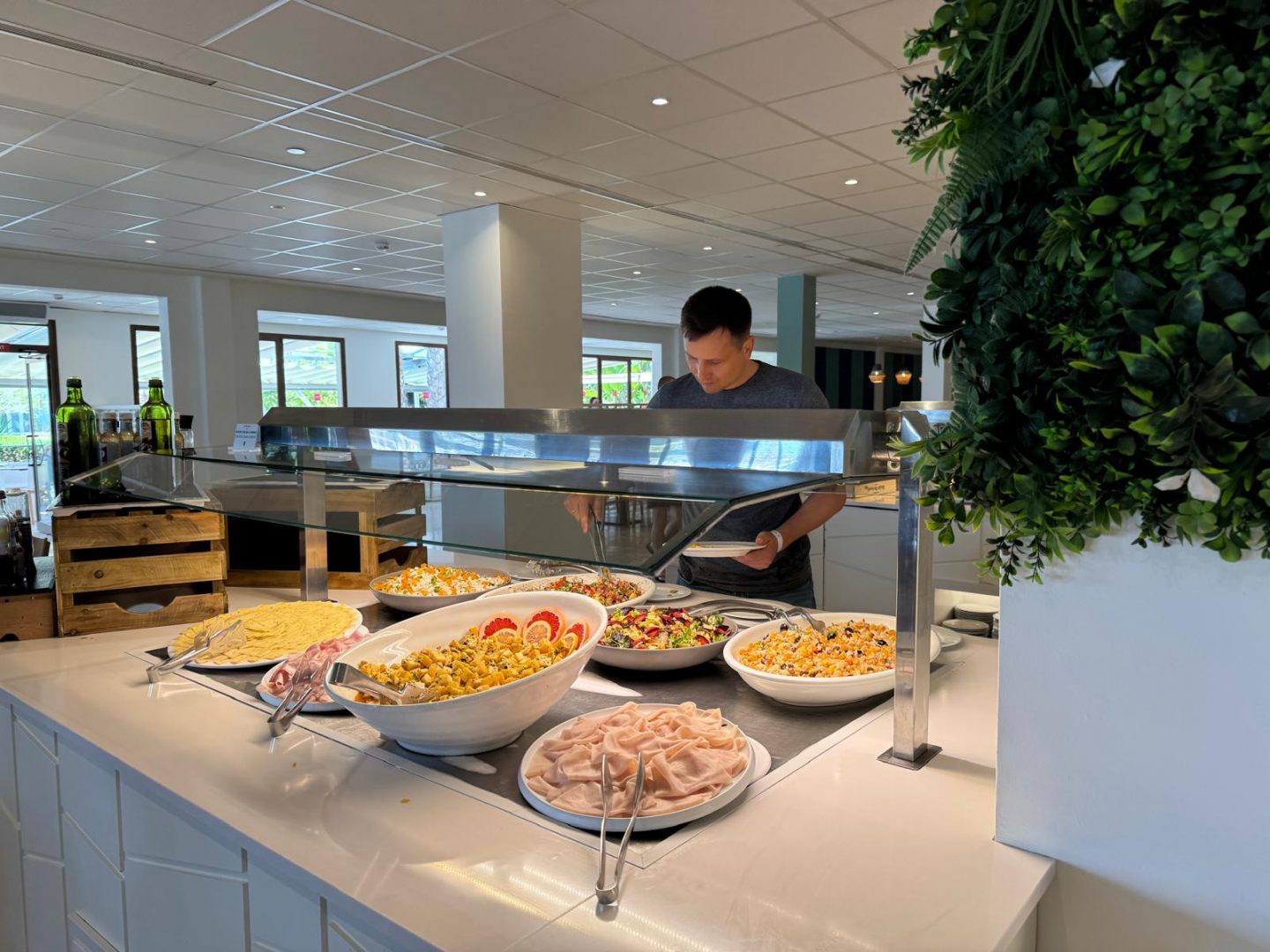
What do BB, HB, FB, AI, EP, CP, MAP and AP mean?
European hotels and OTAs use one set of codes. American hotels, travel agents and a lot of the Caribbean use another. They describe the same ladder — each rung adds a meal.
| European code | US code | Full name | What it includes |
|---|---|---|---|
| RO | EP | Room Only / European Plan | Room, no meals |
| BB | CP | Bed & Breakfast / Continental Plan | Room + breakfast |
| — | BP | Bermuda Plan | Room + full cooked breakfast |
| HB | MAP | Half Board / Modified American Plan | Room + breakfast + one other meal |
| FB | AP | Full Board / American Plan | Room + all three meals |
| AI | AI | All-Inclusive | All meals, snacks and local-brand drinks |
| UAI | — | Ultra All-Inclusive | All-inclusive plus premium brands and extras |
If you are booking a US or Caribbean property and see MAP or AP on the rate, those are half board and full board under different names.
How hotels actually price meal plans (14 years on the inside)
This is the part the comparison articles leave out, and it is the part that will save you money.
Meal plans are priced per person, per night — not per room. They are a supplement added on top of the room rate, contracted separately. Children are usually tiered: under 2 free, roughly half price from 2 to 12, full adult supplement above that. This matters because the room price and the board price scale completely differently for a family. Upgrading four people to all-inclusive is four supplements, every night. Always ask for the total, not the difference per night.
The hotel’s food cost is a fraction of what you pay for the plan. All-inclusive is profitable precisely because most guests consume nowhere near what they have bought. They sleep through breakfast, they are at the beach at lunch, they skip the afternoon snack. The plan is priced on average consumption, and the average is much lower than people expect when they book. This is not a scam — it is how the model works — but you should book it knowing you are buying convenience, not volume.
Buying a board upgrade at reception costs more than booking it in advance. The desk rate is almost always higher than the contracted rate through the hotel’s own site or an OTA. If you are wavering between half board and all-inclusive, decide before you arrive.
Check your arrival and departure times against the meal you are paying for. Half board on a late arrival day can mean the dinner service has closed by the time you check in. All-inclusive stops at checkout, so a late flight means an afternoon of paying cash at a bar you have already paid for. You are charged for the night either way.
Tourist tax is never included in any board basis. Not in room only, not in ultra all-inclusive. It is a municipal charge collected by the hotel on the local authority’s behalf, it is paid separately at the property, and it is one of the most common “but I already paid for everything” conversations at a front desk.
Is all-inclusive worth it? The break-even math
Stop comparing plans in the abstract and do this instead. It takes four minutes.
Step 1 — Find the real daily supplement per person.
(All-inclusive total − half-board total) ÷ nights ÷ people = supplement per person per day
Use the totals for your actual party, not the headline per-night difference. Children’s tiers can make this much lower than you expect, or much higher if you have teenagers.
Step 2 — Price what it replaces. All-inclusive over half board is buying you: lunch, afternoon snacks, and drinks. Look up two or three restaurants near the hotel and price a family lunch honestly. Add a coffee and an ice cream each.
Step 3 — Count the drinks honestly. Not “we’ll probably have a few.” How many actual paid drinks per adult, per day? This is the number that decides it, and it is the number everyone overestimates on the booking page and underestimates on holiday.
Step 4 — Subtract the days you will not be there. Every day trip, every excursion, every long lunch in the old town is a day you have paid for all-inclusive and eaten elsewhere. Two day trips out of seven nights takes roughly a third off the value of the plan.
The rule of thumb: all-inclusive is worth it when you will genuinely eat lunch at the hotel and your adults will have more than two or three paid drinks a day. Miss either condition and half board plus eating out is cheaper and, in Spain, considerably better food.
Which meal plan suits your family?
“Kids” is not one category, and the right plan changes completely depending on their age.
Babies and toddlers (0–3)
Self-catering, or B&B with a kitchenette. Toddlers do not eat on buffet schedules and they do not eat buffet food. What you need is a fridge, a kettle, somewhere to sterilise, and the freedom to feed a child at 5.30pm without it being an event. All-inclusive is close to wasted money at this age — they are free or nearly free on the plan, and you are the one who ends up eating standing up.
School-age kids (4–11)
All-inclusive earns its keep here. This is the age where the pool, the kids’ club and unlimited ice cream are genuinely the holiday, and where being able to say yes to every snack request without doing arithmetic is worth real money. It is also the age at which children eat at the hotel most reliably.
Teenagers
Half board, and reconsider the adult supplement. Teenagers eat like adults and are charged like adults, which is exactly when all-inclusive stops being a bargain. They also want to be out, not at a fixed lunch sitting. Half board covers the meals they will not organise themselves and leaves the rest open.
Couples and travellers without kids
B&B in cities, half board on the coast. Full board and all-inclusive both quietly restrict where you eat, which for two adults is usually the wrong trade. The exception is a genuinely remote resort — then take the plan and enjoy not thinking about it.
Five mistakes that cost people money
- Booking full board for a trip you intend to explore on. You will be somewhere else at lunchtime and you will have paid for it anyway.
- Assuming drinks are included in half board. They generally are not, water included.
- Upgrading the board at reception. Decide before you travel; the desk rate is higher.
- Not reading what “all-inclusive” excludes at that specific hotel. The word is not standardised. The inclusions list is the contract.
- Forgetting the tourist tax. No board basis covers it, anywhere.
So which one do I book?
Half board, for most family beach trips. It handles the two meals that are genuinely annoying to organise with kids, it leaves the middle of the day free so a day trip does not feel like wasted money, and it does not tie us to the hotel at exactly the hours we want to be somewhere else.
I book all-inclusive when the hotel is the holiday — a resort with a pool the kids will not leave, where we have no intention of going anywhere. And I book self-catering, without hesitation, any time we are travelling with very small children or staying longer than a week.
What I do not do any more is buy a bigger plan than the trip warrants because it felt like better value on the booking page. It almost never is.
Frequently asked questions
What does BB mean at a hotel?
BB means Bed & Breakfast: your room plus breakfast, with no other meals included. In the American coding system the closest equivalent is CP, the Continental Plan. Breakfast is usually a buffet in resort and mid-range hotels, and à la carte or continental in smaller and boutique properties.
What is half board at a hotel?
Half board (HB, or MAP in the American system) includes breakfast and one other meal, which is dinner unless you arrange otherwise with the hotel. Drinks are usually not included, and dinner normally means the buffet at a fixed sitting time rather than the à la carte restaurants.
Are drinks included in half board?
No. On almost all half board plans drinks are charged separately, and that includes water at dinner. If you are travelling as a family, price this in before comparing half board against all-inclusive, because it is the cost people most often forget.
Is all-inclusive cheaper than half board?
Only if you actually eat lunch at the hotel and drink more than two or three paid drinks per adult per day. Work out the all-inclusive supplement per person per day, price a local lunch and your realistic drinks, and subtract any days you will be out on a day trip. If you are planning to explore, half board plus eating out is usually cheaper.
What is the difference between full board and half board?
Full board (FB, or AP) includes breakfast, lunch and dinner. Half board (HB, or MAP) includes breakfast and one other meal, normally dinner. Neither usually includes drinks. Full board only pays for itself if you are at the hotel at lunchtime every day.
Is tourist tax included in all-inclusive?
No. Tourist or city tax is never included in any meal plan, including ultra all-inclusive. It is a municipal charge that the hotel collects on behalf of the local authority and it is paid separately at the property, usually at check-in or check-out.

2 Comments